Skip to content
Reviewed

Read Time

6 min read

Our age bandAdult
Reader rating
4.4 · 10,033 Amazon ratings, as of Nov 2026
reader ratings, not a LuvemBooks score
Curated & edited by

LuvemBooks Editorial

How we create our reviews →
Share This Review
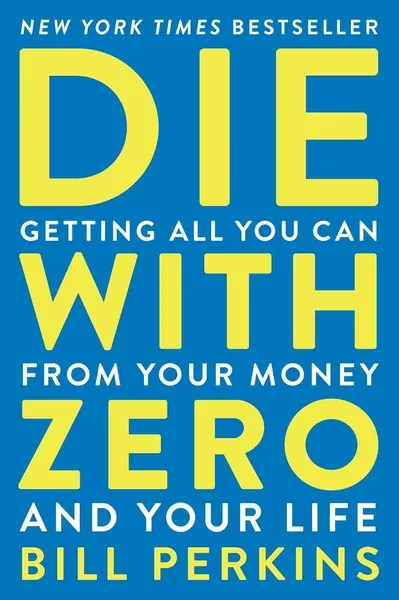
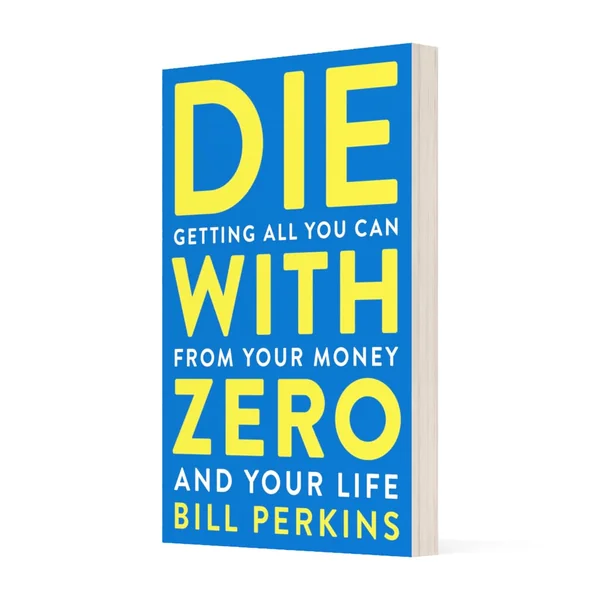
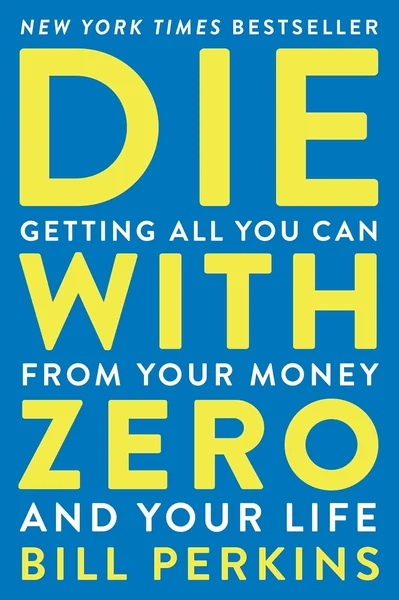
Die With Zero: Getting All You Can from Your Money and Your Life―A Revolutionary Approach to Maximizing Life Experiences Over Accumulating Wealth by Bill Perkins front cover

Our review

Die With Zero

Die With Zero by Bill Perkins Review: A Case for Spending Before You Die

Die With Zero by Bill Perkins is a personal finance guide that challenges traditional saving advice by urging readers to prioritize meaningful experiences over accumulating wealth. The book offers a provocative framework for intentional spending that rewards calculated risk but may unsettle those seeking financial security.

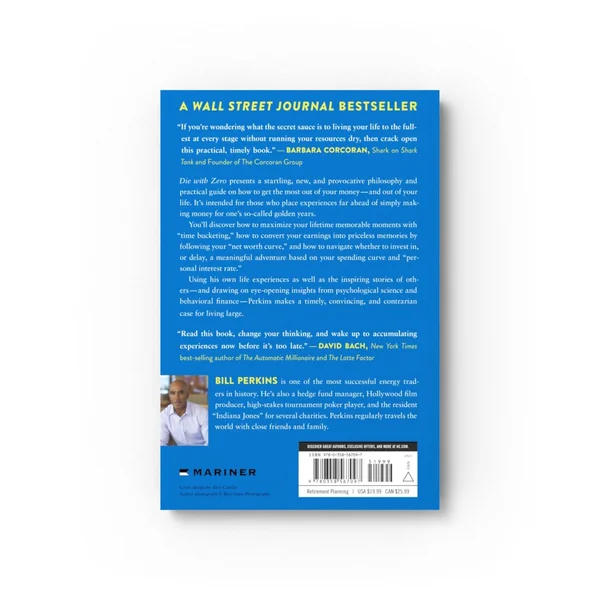
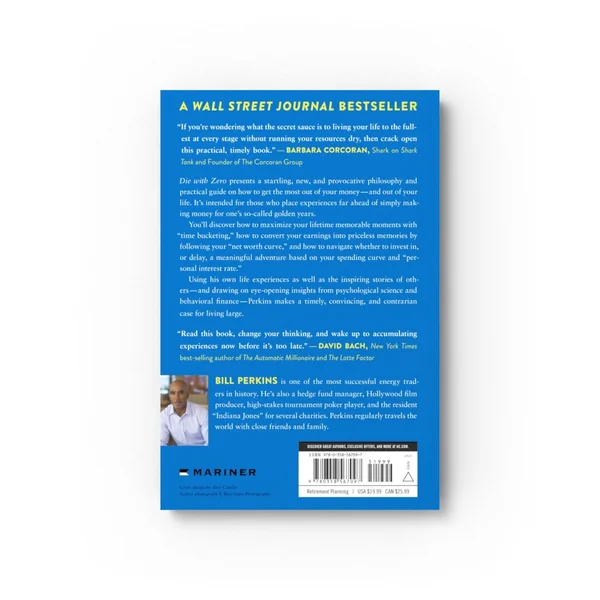
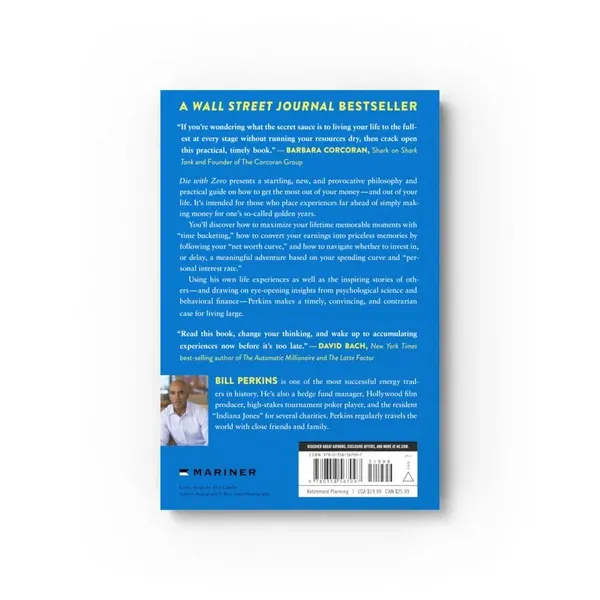
Back cover with synopsis, review quotes, author photo, and barcode.Front cover with large yellow title text on blue background and author name at bottom.Tap to enlarge
Our age band: Adult

LuvemBooks Verdict

Best for

Optimizing for meaningful experiences over unspent wealth, this book is FOR readers who have already built a financial safety net and want to intentionally allocate their money toward memories and personal growth.

Worth it if

Worth reading if you are a habitual saver looking for a structured framework to intentionally spend your money on memories and growth.

Skip if

Skip it if you are still building your financial foundation, as the aggressive spending framework assumes you already have money to allocate.

Where reviewers agree and split

Readers rate it 4.4 on Amazon. The reviews we read that discuss it in depth split on some points:

  • Positive

    Next Book List · Magazine: recommends it for savers who struggle to spend

  • Mixed

    Winchell House · Book blog: valuable insights but not suitable for all readers

  • Positive

    White Coat Investor · Book blog: great book worth reading despite some philosophical gaps

  • Positive

    Macwright · Book blog: exceptionally good and useful for its intended audience

    Overall verdicts are our summary of each review we read, from its headline, rating and conclusion.

    Reviewers generally praise Perkins’s framework for shifting focus from wealth accumulation to maximizing life experiences, with Next Book List calling it 'the counterweight most personal-finance advice never gives you' and White Coat Investor labeling it a 'great book.'

    Sources: Next Book List, White Coat Investor, Macwright, The Story Graph
    4.4from 10,033 Amazon ratings, as of Nov 2026— reader ratings, not a LuvemBooks score

    Andy Hill from Marriage Kids and Money reviews Die With Zero: Getting All You Can from Your Money

    Andy Hill reviews Die With Zero by Bill Perkins and shares how it shifted their mindset on saving versus living.

    A BookTube review by Marriage Kids and Money, 2022 · 51K views · 53.7K subscribers · Watch on YouTube ·

    Their views, not ours. The points are our AI summary of what they say, each playing from where they say it.

    Another view · mixed feelings
    Tae Kim appreciates many insights from *Die With Zero*, particularly its emphasis on investing in life experiences early, balancing health, time, and money, and giving wealth away while still alive. However, they strongly push back against the book's central premise of spending down to zero, viewing it as unrealistic and potentially dangerous for those who already struggle to save. Tae Kim also dislikes Perkins's recommendation to purchase annuities, preferring the peace of mind of leaving a financial buffer rather than trying to optimize every dollar. Tae Kim - Financial Tortoise on YouTube

    The Core Philosophy of Die With Zero

    The book challenges traditional retirement thinking by encouraging financially stable people to aim for zero dollars at death rather than hoarding wealth.

    Prioritizing Experiences at the Right Age

    Activities such as backpacking or skiing are far more enjoyable and feasible in younger years than at retirement age, meaning certain bucket list items shouldn't wait.

    Giving to Kids During Your Lifetime

    Providing financial help or creating memories with children and grandchildren while you are still alive creates greater impact than leaving an inheritance after death.

    Who Should and Shouldn't Read It

    The book is ideal for disciplined savers seeking permission to enjoy their money, but it is not intended for people dealing with credit card debt or lacking an emergency fund.

    Preview the book

    Die With Zero: Getting All You Can from Your Money and Your Life―A Revolutionary Approach to Maximizing Life Experiences Over Accumulating Wealth by Bill Perkins front cover
    Back cover with synopsis, review quotes, author photo, and barcode.
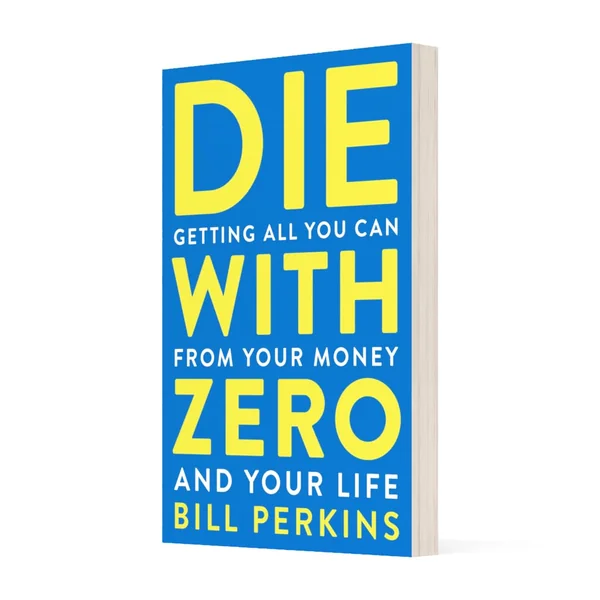
    Front cover with large yellow title text on blue background and author name at bottom.

    Ask LuvemBooks

    Was this helpful?

    Bill Perkins' Die With Zero challenges established wealth management norms by urging readers to prioritize immediate consumption over accumulating wealth. The book introduces actionable frameworks like experience bucketing and the net worth curve to help savers intentionally allocate their money toward future goals. Worth reading for habitual savers seeking a structured approach to spending, but it should be skipped by those still building their financial foundation or prioritizing traditional stability.
    Is it worth reading?
    The book delivers a liberating philosophy for readers willing to calculate risk and prioritize experiences over traditional security. Reviewers at White Coat Investor praise its actionable frameworks and psychological grounding, though Macwright notes its exceptional utility specifically for its intended audience. It is a worthwhile read for habitual savers seeking a structured way to intentionally fund memories and growth, but it carries inherent risks for those facing unexpected future expenses or relying on conventional safety nets.
    Similar books
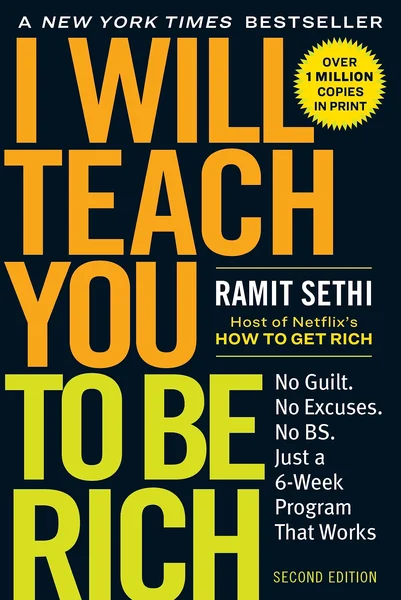
    Readers interested in this contrarian approach to wealth will find value in Morgan Housel's The Psychology of Money for its behavioral economics perspective, Ramit Sethi's I Will Teach You to Be Rich for its practical automation strategies, and Vicki Robin's Your Money or Your Life for its foundational focus on resource management. The text also shares thematic ground with Eric Jorgenson's The Almanack of Naval Ravikant regarding wealth creation and JL Collins's The Simple Path to Wealth for its straightforward investment philosophy.
    Who should read this?
    This guide is designed for readers who have already secured their base and want to spend their money toward future goals. It suits frugal individuals who struggle to spend and are open to psychological money concepts. The framework is less practical for individuals living paycheck to paycheck or those who prioritize conventional retirement strategies and long-term stability over calculated risk.
    What are the main themes?
    The text explores the tension between peak earning years and peak life-experience years, arguing that waiting for retirement results in a measurable loss of lifetime fulfillment. It challenges traditional inheritance norms by recommending strategic giving to family members while they are still alive. The narrative also examines how financial psychology can rescue readers from over-saving and under-living.
    How does it compare to traditional finance advice?
    Perkins positions his work as a direct counter-narrative to conventional wisdom that advocates aggressive saving and delaying enjoyment for retirement. While traditional advice prioritizes stability and future security, this framework emphasizes a spend curve to optimize when to pursue meaningful adventures. The book acknowledges that its high-expenditure recommendations may unsettle readers accustomed to standard retirement planning.
    Is this a good book club pick?
    The book's provocative stance on money and mortality often sparks debate, making it a strong discussion starter for groups interested in wealth management and financial psychology. Reviewers at Winchell House note its value in balancing saving and spending to pursue wealth autonomy, which provides ample material for group conversation. However, readers who prefer strictly procedural or consensus-driven financial advice might find the philosophical gaps in the text less engaging.
    Summarize this book

    Summarize this book

    Bill Perkins, a hedge fund manager and entrepreneur, reframes money as a tool to be fully utilized during one's lifetime rather than an end goal. Drawing on psychological science and behavioral finance, he introduces structured methods to guide readers in timing their financial decisions. The text encourages strategic giving to loved ones earlier in life and challenges the fear of running out of money by urging a realistic assessment of savings needs.

    Follow up

    How does experience bucketing work?
    What is the net worth curve?

    Synthesized from verified book data & published reviews · How we review

    Ask LuvemBooks

    What would you like to know about Die With Zero?

    Answers come from our editorial notes on this book. If we haven't covered something, we'll say so.

    Readers often ask

    Our Review

    We review the evidence: reader verdicts, gathered and weighed with AI assistance and edited by LuvemBooks, rather than one reader's first-hand take.

    Bill Perkins challenges traditional personal finance advice by arguing that readers should prioritize meaningful experiences over accumulating wealth, offering a provocative framework that rewards calculated risk but may unsettle those seeking financial security.
    What Die With Zero Actually Argues

    The book positions itself as a counter-narrative to the conventional wisdom of saving aggressively for retirement. Instead of treating money as an end goal, Bill Perkins argues that it should serve as a tool to maximize lifetime memorable moments.
    The premise is designed for readers who value lifelong experiences far ahead of simply making and accumulating money. Perkins, a hedge fund manager and entrepreneur, draws on psychological science and behavioral finance to build his case.
    He wants to rescue readers from over-saving and under-living by reframing how they view their financial future. The text introduces "experience bucketing" as a method to plan and maximize lifetime memorable moments.
    His background as a high-stakes poker player and energy trader heavily influences his willingness to embrace calculated financial risk. This professional history provides the foundation for his contrarian stance against traditional wealth accumulation.
    Back cover with synopsis, review quotes, author photo, and barcode.
    Back cover with synopsis, review quotes, author photo, and barcode.

    The Framework and Core Concepts

    Readers are guided to follow their "net worth curve" and "spend curve to decide when to invest in or delay meaningful adventures. The book also explores the concept of the personal interest rate" to determine the optimal timing for financial decisions.
    Rather than leaving a large inheritance, the author recommends giving money to loved ones earlier in life when they need it most. This approach treats memories and personal growth as valuable investments that pay dividends throughout a person's lifetime.
    The text emphasizes that peak life-experience years rarely align with peak earning years. Perkins argues that waiting for retirement to enjoy savings results in a measurable loss of lifetime fulfillment.

    Strengths and Limitations of the Approach

    A book blogger at winchellhouse.com highlights the value of balancing saving and spending to pursue financial independence. The reviewer notes that "Perkins challenges the common fear of running out of money, encouraging readers to assess their savings needs realistically."
    Front cover with large yellow title text on blue background and author name at bottom.
    Front cover with large yellow title text on blue background and author name at bottom.
    The aggressive spending advice carries inherent risks that the book acknowledges. The framework may backfire for readers who face unexpected expenses later in life, as it downplays the importance of traditional long-term financial safety nets.
    The approach may feel impractical for individuals who prioritize security over unconventional financial planning. Those accustomed to standard retirement strategies might find the emphasis on immediate enjoyment overly radical.

    Is Die With Zero Worth Reading?

    The available commentary reveals a tension between the book's liberating philosophy and its practical applicability. The approach resonates with readers willing to calculate risk and prioritize experiences, but it may frustrate audiences who prioritize stability over unconventional financial planning.
    The text shares thematic ground with behavioral economics literature that examines how people allocate resources over time. Readers pursuing financial independence will find value in its emphasis on intentional spending, while those living paycheck to paycheck may struggle to adopt the mindset without first building a solid foundation.

    Sources & Further Reading

    The key facts and claims in this review are grounded in the retrieved, verified sources listed below.

    1. Cited in this review
    2. 1
    3. Further reading
    4. 2
    5. 3
    6. 4
    7. 5
    8. 6
    9. 7

      Next Book List

    10. 8

      White Coat Investor

    11. 9

      Macwright

    12. 10

      The Story Graph

    Age & Reading Level

    Our age band

    Adult

    Our age band groups books for browsing; it isn't an age a review gave.

    From our readers

    Reader reviews

    No LuvemBooks readers have answered yet.

    Read it? Was it right for you?

    Books like Die With Zero

    Curated picks for readers who enjoyed Die With Zero, with our reasoning for each match.

    If you liked Die With Zero

    Discussion

    Reader comments