BOOKS
Published

Read Time

7 min read

Reader rating

4.8

· 1,379 Amazon ratings
reader ratings, not a LuvemBooks score
Curated & edited by

LuvemBooks Editorial

How we create our reviews →
Share This Review

The Power of Showing Up by Daniel J. Siegel & Tina Payne Bryson Review: Science-Backed Parenting Guide Built on Presence

The Power of Showing Up is an encouraging parenting guide from psychiatrist Daniel J. Siegel and clinical social worker Tina Payne Bryson, published by Ballantine Books, that argues consistent parental presence — physical and emotional — is the single most important factor in shaping a child's brain development and lifelong wellbeing. Built around the "Four S's" framework and grounded in attachment science, the book earned praise from Publishers Weekly as an "encouraging and empowering" work that delivers an "empathetic and helpful philosophy" for caregivers at any stage.

LuvemBooks Verdict

Best for

Parents and caregivers — especially those without a secure attachment background themselves — who want a neuroscience-grounded, conceptually clear framework for understanding how consistent emotional presence shapes a child's developing brain.

Worth it if

The Four S's structure (Safe, Seen, Soothed, Secure) appeals and you want a research-backed, reflective guide to the relational foundations of parenting rather than a situational how-to manual.

Skip if

You've already worked through Siegel and Bryson's earlier titles and are looking for age-specific or diagnosis-specific behavioural strategies beyond what their established neuroscientific framework covers.

Publishers Weekly called it "this encouraging and empowering book," praising Siegel and Bryson for giving readers an accessible, empathetic philosophy to apply to their own parenting. The authors' own site (tinabryson.com) surfaces endorsements describing it as "their best book yet," crediting the duo as "master teachers" who help parents simplify the process without adding pressure.

In this encouraging and empowering book, Siegel and Bryson provide steps for parents to help children 'feel at home in the world.'

Publishers Weekly
Sources: Publishers Weekly, tinabryson.com
4.8from 1,379 Amazon ratings— reader ratings, not a LuvemBooks score
In This Review
  • What Works & What Doesn't
  • What the Book Actually Argues
  • The Four S's Framework
  • The Authors' Credentials and the Book's Place in the Field
  • What the Book Does Well
  • Who Will Get the Most from This Book — and Where It Has Limits

What Works & What Doesn't

What Works
  • Grounded in attachment science and interpersonal neurobiology, giving its recommendations a clear theoretical foundation
  • The Four S's framework (Safe, Seen, Soothed, Secure) provides a concrete, trackable structure for caregivers
  • Dedicated sections address parents who lacked secure attachment in their own childhoods, with reflective questions in each chapter
  • Publishers Weekly praised it as 'encouraging and empowering,' describing it as 'this excellent work' that delivers an empathetic parenting philosophy
  • Co-authored by a credentialed psychiatrist (UCLA clinical professor) and an experienced clinical social worker with an established collaborative track record
What Doesn't
  • Readers already familiar with Siegel and Bryson's earlier titles may find the neuroscientific framework revisits well-covered ground
  • The book's focus is deliberately relational and conceptual; those seeking age-specific or diagnosis-specific behavioral strategies will need additional resources
A focused, accessible parenting guide that translates attachment science into a concrete four-part framework any caregiver can apply.

What the Book Actually Argues

The Power of Showing Up opens with a deceptively simple claim: the single most important thing a parent or caregiver can do for a child is to simply be present — physically and emotionally. From that premise, Siegel and Bryson build a full-scale argument rooted in what they call "attachment science" and "interpersonal neurobiology." The core scientific assertion is that the parent-child relationship will, in the authors' words, "literally mold the physical structure of" a child's brain, shaping development well beyond childhood. The book is not a crisis manual for when things go wrong; it is a proactive case for why showing up consistently, even imperfectly, is the foundational act of parenting.
empathetic and helpful philosophy to apply to their own parenting

The Four S's Framework

The operational heart of the book is a structure the authors call "predictable care," delivered through the Four S's: helping children feel Safe, Seen, Soothed, and Secure. Each of these four states receives its own dedicated section, giving the book a clear, sequential architecture. Safe addresses the reduction of threat and fear in the child's environment. Seen speaks to emotional attunement — the sense that a parent genuinely perceives and acknowledges the child's inner life. Soothed covers the co-regulation of distress. Secure, the culminating state, is presented as the outcome when the first three are reliably present. This scaffolding makes the book's recommendations trackable: a reader can locate themselves within the framework and identify which dimension of their parenting they want to develop.

The Authors' Credentials and the Book's Place in the Field

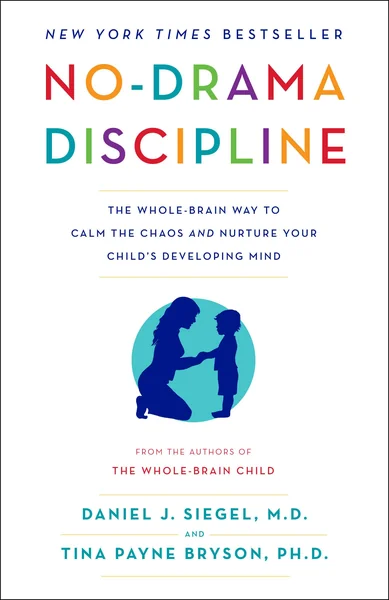
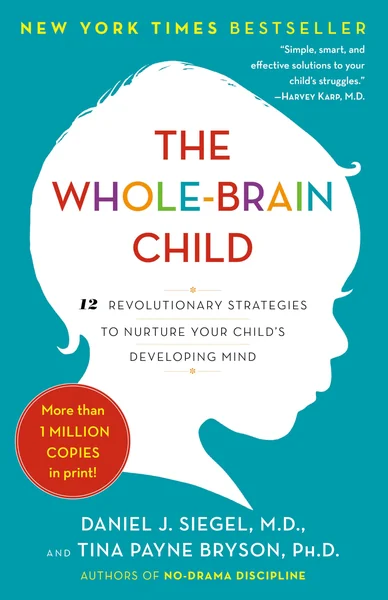
Siegel holds an appointment as clinical professor of psychiatry at the David Geffen School of Medicine at UCLA and is the founding co-director of the Mindsight Institute. Bryson, a clinical social worker, is a co-author with Siegel on earlier titles including The Whole-Brain Child and No-Drama Discipline, meaning this book arrives as part of an established collaboration with an existing readership. The publisher is Ballantine Books, an imprint with deep roots in popular nonfiction. Publishers Weekly, reviewing the book ahead of its January release, called it "this excellent work" and credited Siegel and Bryson with leaving readers an "empathetic and helpful philosophy to apply to their own parenting" — a strong endorsement from a trade publication that reviewed it on the merits.

What the Book Does Well

One of the book's distinguishing strengths, as Publishers Weekly noted, is its sustained encouragement for parents who did not themselves experience secure attachment in childhood. Rather than treating a reader's own difficult upbringing as a disqualifier, Siegel and Bryson build in a reflective mechanism: each section includes questions designed to help parents examine their own formative experiences and understand how those experiences shape their current parenting style. This intergenerational lens elevates the book beyond a how-to manual and into something closer to a guided self-reckoning. The goal throughout is not perfection but what the authors frame as the repair of ruptures — the idea that consistent reconnection matters more than an unbroken record of ideal responses.

Who Will Get the Most from This Book — and Where It Has Limits

The book is designed to be broadly accessible: its framework is repeatable, its sections are self-contained, and its tone is consistently supportive rather than prescriptive. Readers who come to it having already engaged with Siegel and Bryson's prior work on brain-based parenting may find the attachment-science foundation familiar, as the neuroscientific underpinning overlaps with themes from The Whole-Brain Child. Readers new to attachment theory, by contrast, will find the Four S's a useful entry point. The book's scope is also deliberately focused: it centers on the relational and neurological dimensions of parenting presence rather than offering exhaustive coverage of behavioral strategies for specific ages or diagnoses. Parents seeking that kind of granular, situation-by-situation guidance will want to supplement it accordingly.

Sources & Further Reading

The key facts and claims in this review are grounded in the retrieved, verified sources listed below.

  1. Cited in this review
  2. 1
  3. 2
  4. 3
  5. Further reading
  6. 4
  7. 5