Tina Payne Bryson
3
Books Reviewed
The Power of Showing Up: How Parental Presence Shapes Who Our Kids Become and How Their Brains Get Wired
4.8/5
reader rating · 1,379 ratingsThe Power of Showing Up is an encouraging parenting guide from psychiatrist Daniel J. Siegel and clinical social worker Tina Payne Bryson, published by Ballantine Books, that argues consistent parental presence — physical and emotional — is the single most important factor in shaping a child's brain development and lifelong wellbeing. Built around the "Four S's" framework and grounded in attachment science, the book earned praise from Publishers Weekly as an "encouraging and empowering" work that delivers an "empathetic and helpful philosophy" for caregivers at any stage.
Reviewed Feb 16, 2026
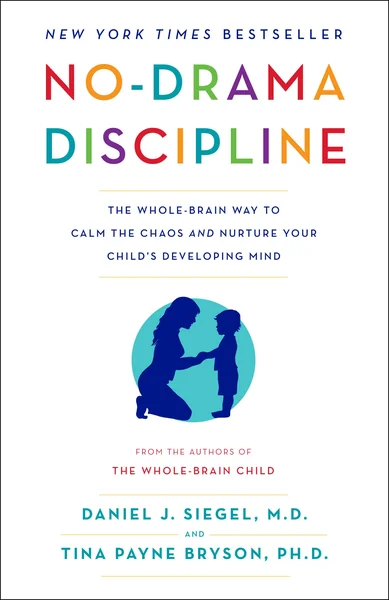
No-Drama Discipline: The Whole-Brain Way to Calm the Chaos and Nurture Your Child's Developing Mind
4.7/5
reader rating · 5,514 ratingsNo-Drama Discipline by Daniel J. Siegel and Tina Payne Bryson recasts discipline as teaching, using brain science and a connect-then-redirect method. Reviewers on psychiatryresource.com and WAIMH Perspectives praise it warmly, though none test its claims.
Reviewed Feb 27, 2026
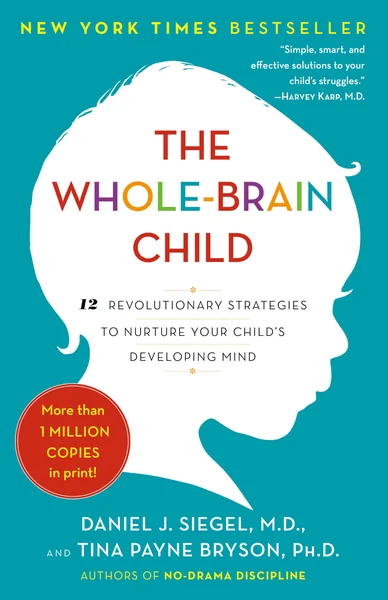
The Whole-Brain Child: 12 Revolutionary Strategies to Nurture Your Child's Developing Mind
4.7/5
reader rating · 21,307 ratingsA New York Times bestseller with more than one million copies in print, The Whole-Brain Child translates neuroscience into twelve concrete strategies designed to help parents navigate meltdowns, fears, and frustrations while supporting healthy emotional and intellectual development in their children.
Reviewed Feb 11, 2026
Ask LuvemBooks about Tina Payne Bryson
- Where should I start?
- The Whole-Brain Child is the natural starting point — it introduces the core idea that children's behavior makes more sense when you understand which part of the brain is driving it, and it does so with simple diagrams and age-specific strategies. With over 21,000 Amazon ratings averaging 4.7/5, it's clearly the book that has reached the widest audience and the one Bryson and Siegel's subsequent work builds on. If you read it and want more, No-Drama Discipline applies the same framework specifically to discipline and misbehavior.
- What's their writing style?
- Bryson writes in a warm, direct voice that consistently translates neuroscience terminology into plain language — she and Siegel regularly use labeled diagrams, real-life family scenarios, and short recap boxes to make concepts stick. There's no assumption that the reader has a scientific background; the books meet parents where they are. Across all three reviewed titles, the tone is non-judgmental and practical, more interested in giving parents workable tools than in making them feel guilty about past mistakes.
- Books we've reviewed
- We've reviewed three of Tina Payne Bryson's co-authored books on LuvemBooks. The Whole-Brain Child (4.7/5 from 21,307 Amazon ratings) introduces the foundational brain-science framework for understanding children's behavior. No-Drama Discipline (4.7/5 from 5,504 Amazon ratings) applies that framework specifically to how parents can respond to misbehavior in ways that teach rather than just punish. The Power of Showing Up (4.8/5 from 1,379 Amazon ratings) shifts the focus to parental presence itself, arguing that a child's sense of security is built more by consistent, attuned connection than by any particular parenting technique.
- How do their books compare?
- All three reviewed books share the same brain-science foundation, but each has a distinct focus. The Whole-Brain Child is the broadest — it covers a range of everyday parenting situations and works best as an introduction to Bryson and Siegel's thinking. No-Drama Discipline narrows the lens to discipline specifically, offering detailed guidance on how to respond when children act out without relying on punishment or shame. The Power of Showing Up zooms out again to ask a bigger question: what does a child fundamentally need from a parent, and how does secure attachment shape brain development over time?
- What genre do they write?
- Bryson writes narrative parenting and child development books aimed at a general adult audience — specifically parents, caregivers, and educators rather than academic researchers. Her reviewed books sit across Parenting & Child Development and Health & Wellness on LuvemBooks, but the common thread is applied neuroscience: taking findings from brain research and showing how they change practical decisions about raising children.
- What should I read after The Whole-Brain Child?
- No-Drama Discipline is the most logical next step — it takes the brain-integration framework introduced in The Whole-Brain Child and applies it to one of the most common parenting flashpoints: how to handle misbehavior. After that, The Power of Showing Up offers a more reflective look at the bigger picture of what children need most from their caregivers, rounding out the trio reviewed on LuvemBooks.
Who is Tina Payne Bryson?
Follow up
Synthesized from verified book data & published reviews · How we review
Press Enter to ask. Answers come from our editorial Q&A — start typing to see related questions.
Authors Like Tina Payne Bryson
Daniel J. Siegel
Adele Faber

Elaine Mazlish
Robert Brooks
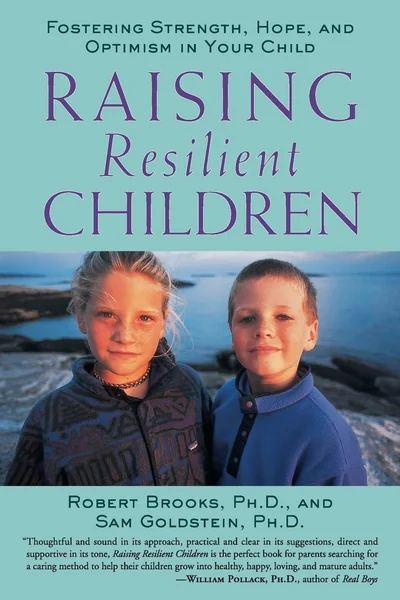
Sam Goldstein
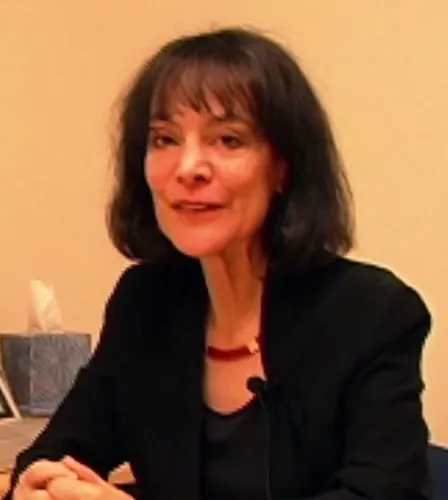
Carol S. Dweck
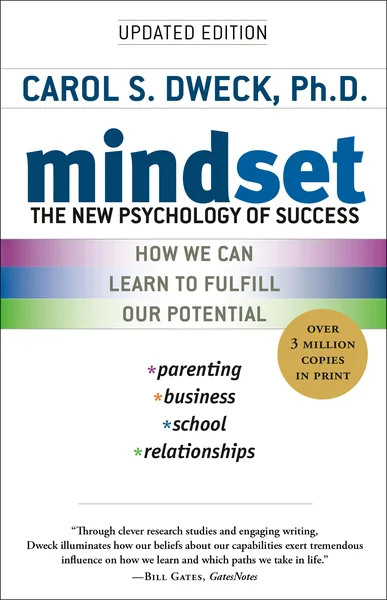
Carol S. Dweck, Ph.D., is an American psychologist and author best known for her research on mindset, motivation, and success. She coined the term "growth mindset" and brought it mainstream with her 2006 book *Mindset: The New Psychology of Success*. She has held professorships at Columbia and Harvard Universities, has lectured worldwide, and is married to David Goldman, a national theatre director and founder of the National Center for New Plays at Stanford.
1 book reviewed