8 min read
4.5
· 104 Amazon ratingsShare This Review
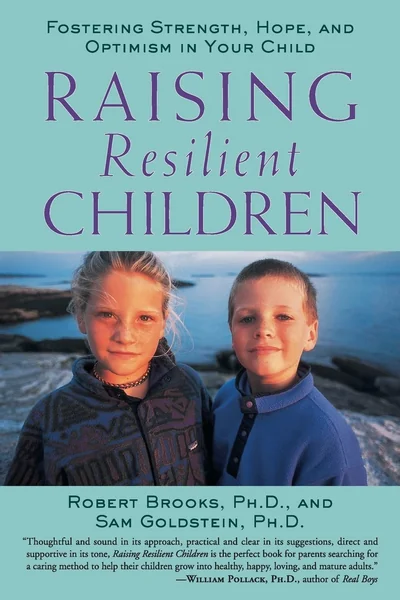
Raising Resilient Children by Robert Brooks and Sam Goldstein Review: A Research-Grounded Parenting Guide Worth Knowing
Robert Brooks and Sam Goldstein's Raising Resilient Children: Fostering Strength, Hope, and Optimism in Your Child (McGraw Hill, 2002) is a parenting guide structured around scientifically grounded principles for building resilience in children, offering parents a chapter-by-chapter framework covering empathy, communication, realistic expectations, and the cultivation of what the authors call "islands of competence."
LuvemBooks Verdict
Best for
Parents and caregivers — and educators or school counsellors — who want a comprehensive, principle-driven, evidence-backed framework for fostering emotional strength and optimism in children from early childhood through adolescence.
Worth it if
Worth reading if you want to understand the *why* behind resilience-building strategies and value recommendations anchored in scientific research rather than parenting intuition, delivered in a logical chapter-by-chapter progression you can follow sequentially or dip into by topic.
Skip if
Skip it — or supplement it heavily — if your primary concerns are rooted in digital-era challenges such as screen-time conflicts, cyberbullying, or pandemic-related anxiety, or if you need clinically deep coverage of a specific condition such as an anxiety disorder or neurodevelopmental difference.
What readers & critics say
BookBrowse describes the book as synthesising "a large body of scientific literature on the concept of resilience, making it palatable, understandable, and, most important, practical." ERIC (the education research database) similarly highlights how the authors draw on "numerous scientific studies of children facing great adversity" to demonstrate the importance of resilience for successful growth.
Sources: BookBrowse, ERICAsk LuvemBooks
Was this helpful?
- Is it worth reading?
- For parents and caregivers who want a principle-driven, research-anchored framework rather than a list of quick fixes, Raising Resilient Children delivers genuine substance. Its chapter-by-chapter structure makes it practical both as a sequential read and as a topic-specific reference, and the 'islands of competence' and 'rewriting negative scripts' frameworks offer conceptual tools not commonly found in general parenting titles. The main limitation is its 2002 publication date: the book says nothing about social media, cyberbullying, screen-time conflicts, or pandemic-era stressors, so parents facing those specific challenges will need supplementary, more current resources.
- Similar books
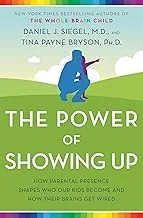
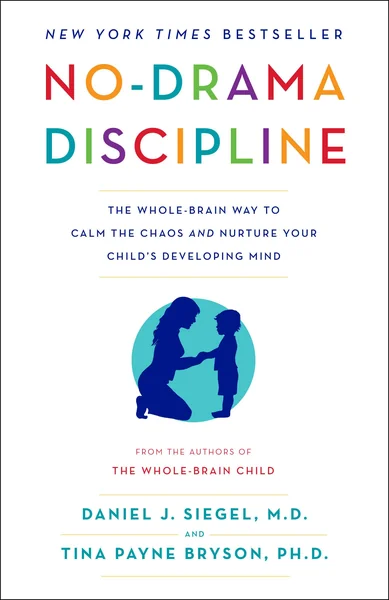
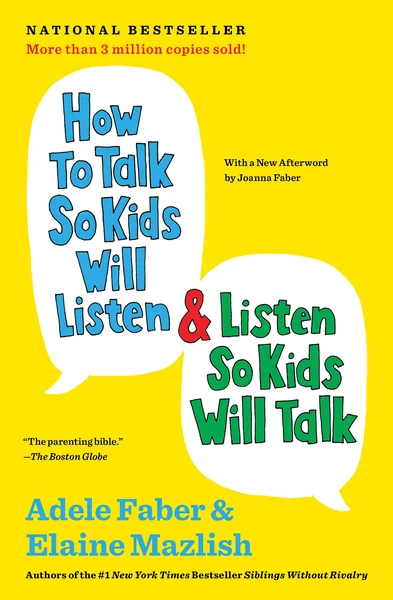
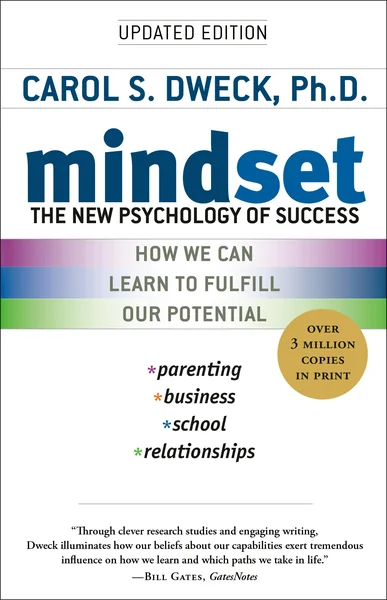
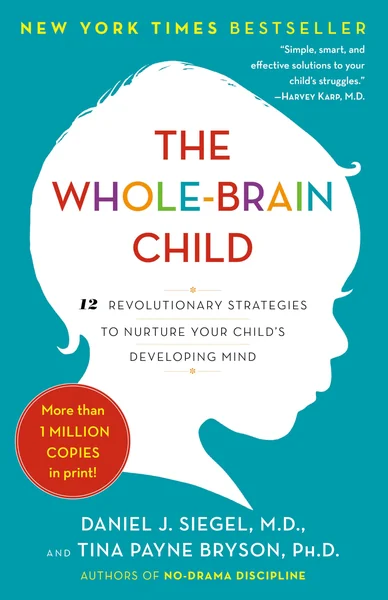
- Readers who connect with Raising Resilient Children's emphasis on the parent–child relationship and evidence-based strategies will find strong company in several related titles. Daniel J. Siegel and Tina Payne Bryson cover the neuroscience of secure attachment in The Power of Showing Up and offer a brain-science approach to discipline in No-Drama Discipline, while their The Whole-Brain Child explores how to nurture a child's developing mind in practical terms. For communication specifically, Adele Faber and Elaine Mazlish's How to Talk So Kids Will Listen & Listen So Kids Will Talk is a classic companion. Carol S. Dweck's Mindset: The New Psychology of Success complements the 'islands of competence' framework with its research on growth mindset and how beliefs about ability shape outcomes.
- Who should read this?
- Raising Resilient Children is best suited to parents and caregivers who want a comprehensive, principle-driven guide to fostering emotional strength across childhood and adolescence — particularly those who want to understand the research behind the advice, not just receive a checklist. Its logical chapter structure suits parents who prefer to read sequentially or dip in by topic. Educators and school counselors seeking frameworks around communication and strength-based approaches will also find it applicable beyond the home. Parents dealing specifically with digital-era stressors, cyberbullying, or pandemic-related anxiety should be prepared to supplement it with more current resources.
- What are the book's key frameworks?
- Two frameworks stand out as the book's most distinctive contributions. First, 'islands of competence' — Brooks and Goldstein's term for identifying the specific areas where each child genuinely excels and using those strengths as a foundation for confidence, as an explicit alternative to deficit-focused, remediation-centred parenting. Second, 'rewriting negative scripts' — the idea that habitual verbal patterns between parent and child can be consciously identified and changed, covered in the chapter 'Changing the Words of Parenting.' Both concepts are grounded in scientific studies rather than anecdote alone, which the review identifies as a key source of the book's credibility.
- What are this book's limitations?
- Two limitations are worth knowing before purchase. First, the 2002 publication date means the book predates digital childhood, social media, and pandemic-era stressors entirely — its examples have no bearing on screen-time conflicts, cyberbullying, or COVID-related anxiety, and parents navigating those issues will need more recent supplementary resources. Second, the book's broad ten-chapter scope means no single topic receives deep clinical treatment; parents hoping for detailed guidance on anxiety disorders or neurodevelopmental differences will find the coverage introductory rather than exhaustive, as the text is written for a general parent audience rather than clinicians.
- Is this a good book club pick?
- It can work well for a parenting book club or a professional learning community of educators and counselors. Its chapter-by-chapter structure lends itself to discussion session by session, and the named case examples — children such as Amelia, Ashley, Brendan, Carl, and Charlie — provide concrete starting points for group conversation. The 'islands of competence' and 'rewriting negative scripts' frameworks are both specific enough to generate genuine discussion about members' own family experiences. Groups with a mix of parents at different stages may find the broad developmental range (early childhood through adolescence) an advantage.
Summarize this book
Follow up
Synthesized from verified book data & published reviews · How we review
Press Enter to ask. Answers come from our editorial Q&A — start typing to see related questions.
Age & Reading Level
Recommended age
Adult
Reading level
Adult
who it suits
Skip if you want deep clinical guidance on a specific condition such as anxiety disorders or neurodevelopmental differences — coverage here is introductory and intended for a general parent audience
Our Review
What the Book Is and What It Argues
Structure and Scope
Distinctive Strengths
Limitations and Audience Fit
Who This Book Is For
Sources & Further Reading
The key facts and claims in this review are grounded in the retrieved, verified sources listed below.
- Cited in this review
- 1
- 2
- 3
- Further reading
- 4
- 5
impactparents.com
Books like Raising Resilient Children
Curated picks for readers who enjoyed Raising Resilient Children, with our reasoning for each match.
If you liked Raising Resilient Children