Share This Review

Our review
Where the Wind Wills
Where the Wind Wills by D. Flower Review: A Raw, Wide-Ranging Adventure Travel Memoir
Where the Wind Wills: An Adventure Driven Travel Memoir by D. Flower is a globe-spanning personal narrative that carries readers from the Himalayas to the East African savanna, from the rainforests of Rwanda to the rapids of Ethiopia's Omo River, and through the author's time serving as a public relations specialist for FEMA during Hurricane Katrina recovery — all while weaving in the emotional terrain of love and self-discovery.
LuvemBooks Verdict
Best for
Readers who thrive on wide-ranging, immersive adventure memoirs and want a single book that moves them from the Himalayas and East Africa to post-Katrina Louisiana, with cultural depth and emotional candour throughout.
Worth it if
You prize physical risk, cultural immersion, and personal transformation in equal measure — and don't mind a narrative that shifts continents and registers rather than dwelling long in any one place.
Skip if
You prefer a deeply sustained, single-destination travel memoir; the multi-continent structure and the tonal jump between wilderness adventure and Hurricane Katrina disaster relief may feel too diffuse for that kind of reading experience.
Ask LuvemBooks
Was this helpful?
- Is it worth reading?
- For readers who want a travel memoir with genuine physical stakes and cultural specificity, Where the Wind Wills delivers: the documentation of Maasai sacred ceremonies in Kenya, the crawl through stinging nettles to observe mountain gorillas in Rwanda, and the Omo River passage in Ethiopia all ground the adventure in vivid, particular detail rather than generic travelogue impressions. The memoir's emotional honesty — especially its frank treatment of a difficult love story alongside the physical risks — elevates it beyond an expedition log. The key caveat is the breadth: the multi-continent, multi-register structure moves quickly between landscapes, and readers who prefer one deeply sustained place or culture may feel the pace works against intimacy.
- Similar books
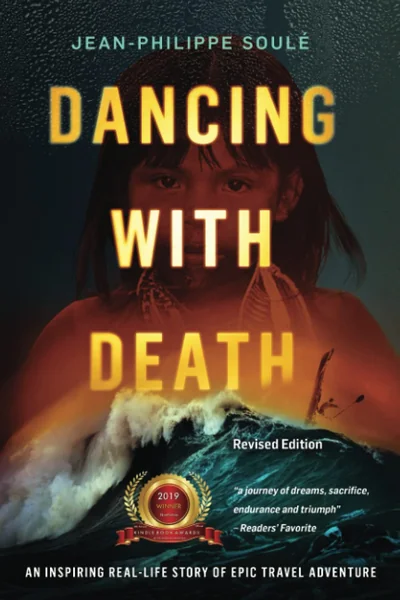
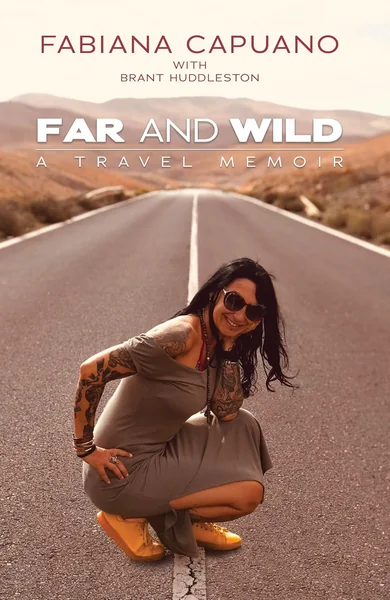
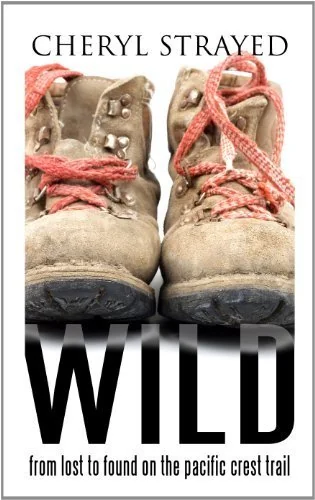
- Readers who enjoy Where the Wind Wills are likely to connect with Dancing with Death: An Inspiring Real-Life Story of Epic Travel Adventure by Jean-Philippe Soulé, which shares the high-stakes, participation-driven adventure spirit, and Far and Wild: A Travel Memoir by Fabiana Capuano and Brant Huddleston for a similarly wide-ranging travel narrative. The Wilder Way: A Memoir of Adventure, Freedom by Eva zu Beck and The Good Girl's Guide to Getting Lost by Rachel Friedman both offer the combination of physical adventure and personal transformation that defines Flower's memoir. For a celebrated classic of the genre, Wild: From Lost to Found on the Pacific Crest Trail by Cheryl Strayed remains a benchmark for emotionally honest, risk-driven solo travel writing.
- Who should read this?
- Where the Wind Wills is written for adult readers who gravitate toward travel memoirs that prioritize personal risk, cultural immersion, and emotional honesty over comfort and curation. The book rewards readers with an appetite for ethnographic specificity — Maasai sacred ceremonies, mountain gorilla observation, Omo River navigation — as well as those who appreciate a memoir that treats inner transformation as seriously as outer adventure. It is not the right fit for readers seeking a single deeply sustained place-study or a tonally consistent genre experience, given the significant shift between the wilderness chapters and the Hurricane Katrina domestic relief section.
- Any content warnings?
- Where the Wind Wills includes accounts of physically hazardous situations — navigating the Omo River rapids in Ethiopia and crawling through dense stinging-nettle terrain in Rwanda — as well as the emotional weight of volunteering during Hurricane Katrina disaster relief. The memoir also deals candidly with a difficult romantic relationship described by the publisher as 'one of the toughest roads' Flower traveled. There is no graphic violence or explicit content flagged in the publisher's description, but readers sensitive to accounts of natural disaster aftermath or emotional relationship difficulty should be aware of those threads.
- How culturally specific is the Africa coverage?
- The Africa sections are among the most detail-rich in the memoir. In Kenya, Dee spends a year living in a grass-roofed hut and documents Maasai tribal ways and their ancient sacred ceremonies, grounding the narrative in ethnographic specificity rather than surface-level tourism impressions. In Rwanda, the gorilla trek involves navigating genuinely demanding terrain — stinging nettles and dense bush — to achieve a close encounter with mountain gorillas. In Ethiopia, the Omo River passage raises the physical stakes further. The review distinguishes this level of participation and cultural documentation from observational tourism memoir.
- What about the Brazil and Himalayas sections?
- The memoir opens its globe-spanning arc with Himalayan trekking and a trip to Brazil, where Dee travels to meet with a healer before embarking on her extended African journey. While the Africa chapters receive the most detailed treatment in the review — Kenya, Rwanda, and Ethiopia each get substantive narrative space — the Himalayas and Brazil serve as part of the wider mosaic that distinguishes Where the Wind Wills from a single-destination travel memoir. The publisher lists the Amazon region of Brazil and the Himalayas among the book's locations alongside the African destinations and post-Katrina Louisiana.
Summarize this book
Follow up
Synthesized from verified book data & published reviews · How we review
What would you like to know about Where the Wind Wills?
Answers come from our editorial notes on this book. If we haven't covered something, we'll say so.
Readers often ask
Our Review
This review covers the book's content, premise and published critical reception, not a first-hand reading.
What the Book Is and What It Covers
The Scope and Structure of the Journey
Personal Stakes and the Emotional Through-Line
Significance and Context
Who Will Find It Most Rewarding
Sources & Further Reading
The key facts and claims in this review are grounded in the retrieved, verified sources listed below.
- Cited in this review
- 1
- 2
- Further reading
- 3
- 4
Age & Reading Level
Recommended age
Adult
3 content notes · who it suits
Content to know about
Skip if you prefer a single deeply sustained destination study or a tonally consistent travel memoir without significant tonal shifts between wilderness adventure and domestic disaster relief.
Reader reviews
Be one of the first readers to answer.
Read it? Was it right for you?
Books like Where the Wind Wills
Curated picks for readers who enjoyed Where the Wind Wills, with our reasoning for each match.
If you liked Where the Wind Wills