8 min read
4.4
· 503 Amazon ratingsShare This Review
The Good Girl's Guide to Getting Lost by Rachel Friedman Review: A Rule-Breaker's Self-Discovery Memoir
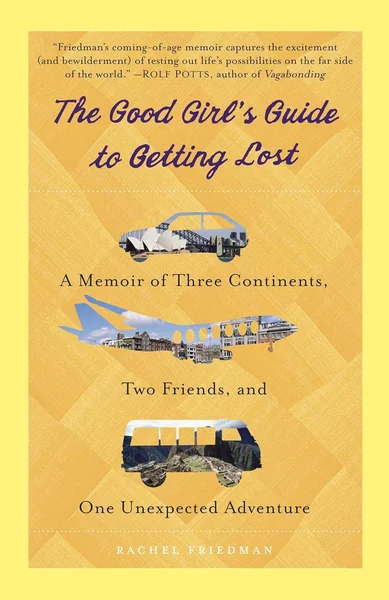
Rachel Friedman's memoir chronicles how a self-described "good girl" — a college graduate with no post-graduation plan and a lifelong habit of playing it safe — impulsively bought a ticket to Ireland and ended up on a two-year, three-continent journey that reshaped her understanding of herself and the world. Published by Bantam in 2011, the book traces her arc from Galway to Sydney to South America alongside her free-spirited Australian friend Carly, delivering an honest account of what it costs — and yields — to abandon the perfect plan.
LuvemBooks Verdict
Best for
Readers navigating post-graduation paralysis — especially those who excelled at doing everything "right" yet still feel rudderless — and solo travel enthusiasts who want a candid, friendship-centred memoir rather than a polished adventure showcase.
Worth it if
The journey across three continents, the central friendship with Carly, and Friedman's self-deprecating honesty about fear and uncertainty resonate most when read as a personal coming-of-age record rather than a cultural survey of the countries visited.
Skip if
Readers who come to travel memoirs for sustained political, historical, or cultural analysis of the destinations will find the book keeps its lens trained almost entirely on Friedman's interior experience, and those well-versed in the genre will recognise the familiar "cautious overachiever discovers herself abroad" arc from the first chapter.
What readers & critics say
Kirkus Reviews characterises the memoir as the story of "a slightly muddled collegiate who sought clarity by traveling the world on a shoestring budget," crediting its frank depiction of shoestring realities. Publishers Weekly notes that Friedman discovers "the American outlook on work, travel, and life is more limited (and limiting) than she'd realized," while Library Journal's verdict calls it "an enjoyable memoir of a youthful journey of self-discovery" despite a misleading title.
“A memoir of a slightly muddled collegiate who sought clarity by traveling the world on a shoestring budget.”
— kirkusreviews.com“She discovers the American outlook on work, travel, and life is more limited (and limiting) than she'd realized.”
— publishersweekly.comAsk LuvemBooks
Was this helpful?
- Is it worth reading?
- For readers who connect with its target experience — post-graduation paralysis, the anxiety of having done everything 'right' and still having no clear direction — LuvemBooks finds the memoir genuinely rewarding. Friedman's candor about fear and uncertainty, rather than projecting retrospective confidence onto an unplanned journey, is what earns its optimistic conclusion. The caveat is real, however: the 'cautious overachiever loosens up through travel' arc is a familiar genre template, and readers well-versed in Eat, Pray, Love and comparable works will recognize the structural beats even if Friedman's voice is her own.
- Similar books
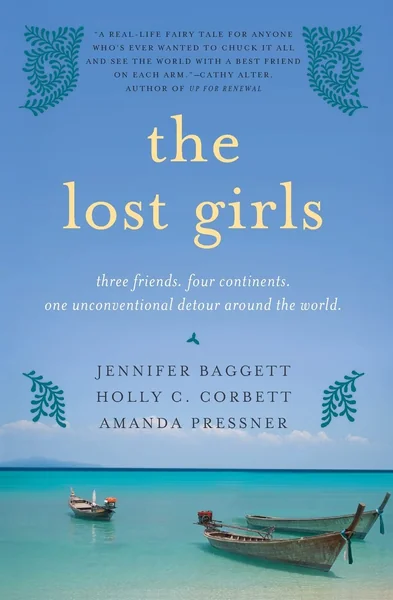
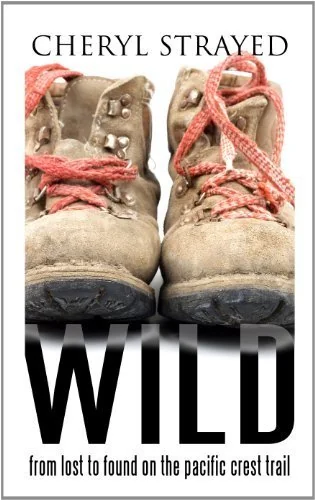
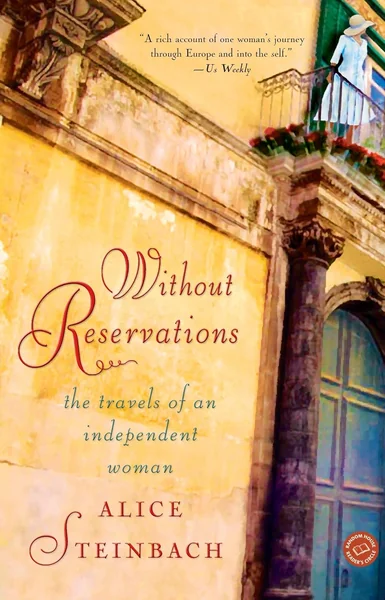
- Readers drawn to The Good Girl's Guide to Getting Lost will find natural company in Cheryl Strayed's Wild: From Lost to Found on the Pacific Crest, another memoir of a woman finding herself through physically demanding solo travel, and in The Lost Girls: Three Friends. Four Continents. One Unconventional Detour Around the World by Jennifer Baggett, which shares the multi-continent, friendship-driven structure almost exactly. For a quieter, more literary take on solo female travel, Alice Steinbach's Without Reservations: The Travels of an Independent Woman offers a thoughtful companion read. Eva zu Beck's The Wilder Way: A Memoir of Adventure, Freedom and Prone to Wander: A Memoir by Suzanne LaVenture round out the shelf for readers who want more first-person accounts of women traveling beyond their comfort zones.
- Who should read this?
- The memoir speaks most directly to readers navigating their own version of post-graduation paralysis — that specific anxiety of having done everything 'right' and still having no clear sense of what comes next. It has also found a consistent readership among solo travel enthusiasts, precisely because Friedman is candid about fear and uncertainty rather than projecting retrospective confidence. Readers who prefer travel writing with sustained cultural or political analysis, or who have already read widely in the 'woman finds herself through travel abroad' genre, may find the familiar arc less revelatory.
- What are the main themes?
- The memoir's central themes are post-graduation identity and the limits of the 'good girl' achievement script — the idea that doing everything right academically and professionally can still leave a person without a clear sense of self or purpose. Critical coverage highlights Friedman's discovery that 'people and places and experience' hold more weight than possessions or plans, and that the American orientation toward work and achievement can be both limited and limiting. Female friendship as a catalyst for personal growth is equally central: it is Carly's influence, specifically, that models and enables Friedman's transformation, rather than solitary wanderlust.
- Is this useful for solo travelers?
- The book has found a consistent readership among solo travel enthusiasts, and for good reason: Friedman is frank about the uncomfortable realities of shoestring travel — dodgy accommodations, theft, dangerous roadways, altitude sickness, and food poisoning — rather than aestheticizing hardship into romance. That honesty makes it a more credible and useful companion for would-be solo travelers than more aspirational accounts. LuvemBooks is clear, however, that the memoir is not a travel guide and does not function as one; its value to travelers is motivational and emotional, not logistical.
- Is the story predictable?
- LuvemBooks acknowledges this as a genuine limitation: the genre of 'American woman discovers herself through solo and companion travel abroad' is well-populated, and the narrative arc — cautious overachiever loosens up, finds friendship, discovers courage — follows a familiar template. Readers who have spent time with Eat, Pray, Love or comparable works will recognize the emotional beats. What differentiates Friedman's account is the specificity of her friendship with Carly, the grounded depiction of travel hardships, and a self-deprecating honesty that avoids the retrospective confidence that can make the genre feel sanitized.
Summarize this book
Follow up
Synthesized from verified book data & published reviews · How we review
Press Enter to ask. Answers come from our editorial Q&A — start typing to see related questions.
Age & Reading Level
Recommended age
Adult
Reading level
Adult
who it suits
Skip if you come to travel writing for sustained cultural, historical, or political analysis of the countries visited.
Our Review
What the Book Is and What It Covers
The Central Relationship: Friedman and Carly
The Book's Strengths: Honesty and Specificity
Genuine Limitations
Who Will Find It Most Rewarding
Sources & Further Reading
The key facts and claims in this review are grounded in the retrieved, verified sources listed below.
- Cited in this review
- 1
libraryjournal.com
- 2
kirkusreviews.com
- 3
- Further reading
- 4
- 5
- 6
coconutlands.com
- 7
- 8
- 9
Books like The Good Girl's Guide to Getting Lost
Curated picks for readers who enjoyed The Good Girl's Guide to Getting Lost, with our reasoning for each match.
If you liked The Good Girl's Guide to Getting Lost