Skip to content
Reviewed

Read Time

8 min read

Age & reading levelAdult
Reader rating
4.5 · 31 Amazon ratings
reader ratings, not a LuvemBooks score
Curated & edited by

LuvemBooks Editorial

How we create our reviews →
Share This Review
Front cover of Wild: From Lost to Found on the Pacific Crest

Our review

Wild

Wild: From Lost to Found on the Pacific Crest Trail by Cheryl Strayed Review: A Landmark Memoir of Grief and Grit

Cheryl Strayed's memoir Wild: From Lost to Found on the Pacific Crest Trail recounts her 1,100-mile solo hike along the Pacific Crest Trail in 1995 — a journey undertaken at age 26, with no prior hiking experience, as an act of self-rescue after her mother's death, the collapse of her marriage, and a descent into heroin use. It reached No. 1 on the New York Times Best Seller list, was the inaugural selection for Oprah's Book Club 2.0, and spent 52 weeks on the NPR Hardcover Nonfiction Bestseller List — a record of cultural impact matched by its literary reputation.

Adultheroin use and addiction · grief and parental death

LuvemBooks Verdict

Best for

Readers of literary memoir who are drawn to stories of grief, identity, and hard-won recovery told with unflinching emotional honesty and genuine prose craft — particularly those who value interiority over landscape description.

Worth it if

You want a memoir that braids physical endurance with deep psychological self-examination, and you're willing to sit with emotional turbulence and unresolved edges rather than a tidy arc of redemption.

Skip if

Skip it if you're coming primarily for a trail-focused outdoors narrative with rich topographical detail, or if you prefer personal nonfiction that maintains a measured narrative distance from its subject's most destructive choices.

The Guardian called Wild "hugely entertaining," crediting Strayed with taking "the redemptive nature of travel — a theme as old as literature itself — and mak[ing] it her own," while Bookmarks.reviews synthesised critical consensus noting that what makes the account "so special is its serious analysis of what being alone in the wild really means." Wikipedia records that the memoir reached No. 1 on the New York Times Best Seller list and was the first selection for Oprah's Book Club 2.0, reflecting its exceptional cross-audience reach.

“In this hugely entertaining book, Cheryl Strayed takes the redemptive nature of travel and makes it her own.”

— The Guardian

“By the third chapter I was hooked — a book about hiking? Could be hit or miss, but Wild proved me wrong.”

— A Little Adrift
Sources: The Guardian, Bookmarks.reviews, Wikipedia
4.5from 31 Amazon ratings— reader ratings, not a LuvemBooks score; an early, small sample

Ask LuvemBooks

Was this helpful?

Wild: From Lost to Found on the Pacific Crest Trail is Cheryl Strayed's memoir of a 1,100-mile solo hike along the Pacific Crest Trail in 1995 — an act of self-rescue undertaken at 26 in the aftermath of her mother's death, a collapsed marriage, and heroin use. Praised by critics Dani Shapiro and Dwight Garner for its literary craft and dual-timeline structure, the memoir is essential reading for anyone drawn to grief, identity, and recovery told without sentimentality. Readers expecting a trail-focused outdoors narrative should know the physical landscape plays second to Strayed's interior reckoning — that is the book's deliberate and defining choice.
Is it worth reading?
Wild has earned a strong critical and cultural consensus: it reached No. 1 on the New York Times Best Seller list, was the inaugural pick for Oprah's Book Club 2.0, and spent 52 weeks on the NPR Hardcover Nonfiction Bestseller List. Critics Dani Shapiro called it 'both a literary and human triumph,' and Dwight Garner identified in it 'a too infrequent sight: that of a writer finding her voice, and sustaining it, right in front of your eyes.' For readers of literary memoir — especially those drawn to grief, identity, and recovery told without sentimentality — it remains one of the defining memoirs of the early 21st century. The key caveat is that its focus is firmly interior; readers seeking detailed outdoors or trail writing will find the physical landscape given less descriptive attention than Strayed's inner experience.
Similar books
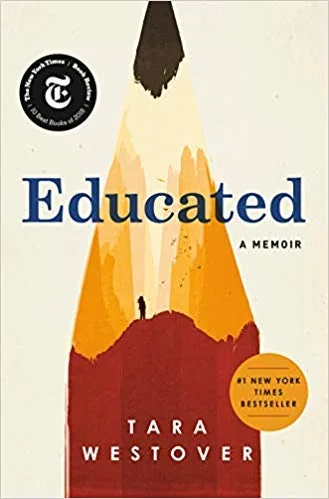
Readers who respond to Wild's blend of personal upheaval and journey narrative have several strong companions. Tara Westover's Educated offers a similarly unflinching memoir of self-reconstruction against a backdrop of family trauma and deprivation. The Lost Girls by Jennifer Baggett likewise centres women's transformative travel as a vehicle for identity and self-discovery. For a lighter but still resonant travel memoir with physical adventure at its core, Bill Bryson's A Walk in the Woods makes a natural companion, while Cheryl Strayed's own Tiny Beautiful Things — drawn from her years as the anonymous advice columnist 'Dear Sugar' — showcases the same emotional directness applied to others' crises. SAM JOE's Strangers Again rounds out the curated selection for readers interested in journeys of personal reinvention.
Who should read this?
Wild is best suited to readers of literary memoir, particularly those drawn to stories of grief, identity, and recovery told without sentimentality or easy resolution. Its broad reception — spanning book clubs, university courses, BBC Radio 4's Book of the Week, and the Goodreads Choice Awards — reflects an unusually wide cross-audience readership. Readers who encountered Strayed as the anonymous advice columnist 'Dear Sugar' will find the same emotional directness here at full book length. Those who prefer memoirs that maintain narrative distance, arrive at tidy resolution, or foreground environmental and trail description over inner experience may find Wild's register demanding or its outdoors content thinner than expected.
Tell me about the adaptation
Wild was adapted into a 2014 feature film produced by Reese Witherspoon's production company, with Witherspoon starring as Strayed. The screenplay was written by Nick Hornby and the film was directed by Jean-Marc Vallée. The adaptation brought the story to a significantly wider audience and earned Witherspoon an Academy Award nomination for Best Actress. The film largely preserves the memoir's dual-timeline structure, though as with most adaptations, the interior depth of the source text is compressed by the demands of the screen.
What are the main themes?
Wild's central themes are grief, self-destruction, and recovery — specifically the long aftermath of Strayed's mother's death from lung cancer at 45, which unravelled her family, her marriage, and ultimately led to a period of heroin use. The memoir also engages deeply with identity and self-authorship: the trail functions not as a cure but as a space in which Strayed confronts who she has become and begins to construct who she might be. The Guardian identified the book's animating concern as the 'redemptive nature of travel — a theme as old as literature itself' — but noted that Strayed makes it distinctly her own by keeping the focus on interior experience rather than landscape. Solitude, physical endurance, and the relationship between body and mind are also persistent threads throughout.
What was the cultural impact of this book?
Wild's cultural footprint is exceptionally well documented for a debut memoir. It debuted in 2012, reached No. 1 on the New York Times Best Seller list by July of that year, and was the inaugural selection for Oprah's Book Club 2.0 — announced personally by Oprah Winfrey in May 2012. It spent 52 weeks on the NPR Hardcover Nonfiction Bestseller List, was named No. 1 memoir and autobiography of 2012 by the Goodreads Choice Awards, and was selected as BBC Radio 4's Book of the Week in January 2013. Strayed also received the Reader's Choice Award at the 2013 Oregon Book Awards. The 2014 film adaptation with Reese Witherspoon extended the book's reach still further, and Wild has since become a fixture in book clubs, university courses, and broader conversations about contemporary American memoir.
Summarize this book

Summarize this book

Wild recounts Cheryl Strayed's 1,100-mile solo hike along the Pacific Crest Trail in 1995, beginning in the Mojave Desert and passing through California and Oregon before reaching the Bridge of the Gods into Washington. Strayed was 26 years old, carried an overstuffed pack with no meaningful hiking experience, and set out as an act of self-rescue after her mother's death from lung cancer at 45, the disintegration of her family, the end of her marriage, and a period of heroin use. The memoir moves in two registers simultaneously — the physical demands of the trail, including extreme heat, record snowfall in the high Sierras, and boots so ill-fitted she lost most of her toenails, and a series of flashbacks to the life events that drove her there. As The Guardian observed, it is the inner landscape that captures this unusual author, with the trail serving as a scaffold for a deeper reckoning.

Follow up

How is the book structured?
How long is it to read?
Does it have a satisfying ending?

Synthesized from verified book data & published reviews · How we review

Ask LuvemBooks

What would you like to know about Wild?

Answers come from our editorial notes on this book. If we haven't covered something, we'll say so.

Readers often ask

Our Review

We review the evidence: published critics, reader verdicts and BookTube reviews, gathered and weighed with AI assistance and edited by LuvemBooks, rather than one reader's first-hand take.

A memoir of extraordinary candor and cultural staying power, Wild earns its celebrated place in the genre on the strength of both its raw subject matter and its literary craft.

What the Memoir Is and What It Contains

Wild is the account of Cheryl Strayed's 1,100-mile solo hike along the Pacific Crest Trail in 1995, beginning in the Mojave Desert and passing through California and Oregon before reaching the Bridge of the Gods into Washington. Strayed was 26 years old when she set out, carrying an overstuffed pack and, by her own account, no meaningful hiking experience.
The narrative moves in two registers simultaneously: the physical demands of the trail itself — extreme heat on the Modoc Plateau, record snowfall in the high Sierras, failed water sources, and boots so ill-fitted she lost most of her toenails — and a series of flashbacks to the life events that drove her there. Chief among those: the lung cancer death of her mother at age 45, when Strayed was 22; the subsequent disintegration of her family as her stepfather withdrew and her siblings grew distant; the end of her marriage to a man she describes as kind and loving; and a period of heroin use.
As The Guardian observed in its review, it is "the inner landscape that captures this unusual author," with the physical trail serving as the scaffold for a deeper reckoning.

Literary Craft and Narrative Structure

The dual-timeline structure — trail present and biographical past — is one the book deploys with notable control. Critic Dani Shapiro described the memoir as "spectacular... At once a breathtaking adventure tale and a profound meditation on the nature of grief and survival," calling it "both a literary and human triumph," and specifically noting that Strayed's two parallel narratives succeed where many parallel-arc memoirs fail.
Fellow critic Dwight Garner wrote that "the lack of ease in [Strayed's] life made her fierce and funny; she hammers home her hard-won sentences like a box of nails," and identified in the memoir "a too infrequent sight: that of a writer finding her voice, and sustaining it, right in front of your eyes." The Guardian's review called the book "hugely entertaining," crediting Strayed with taking "the redemptive nature of travel — a theme as old as literature itself — and mak[ing] it her own."
These are not isolated reactions; they point to a consistent critical recognition of Strayed's prose as doing work beyond straight reportage.

Cultural Significance and Reception

The scale of Wild's cultural footprint is well documented. The memoir debuted in 2012 and reached No. 1 on the New York Times Best Seller list by July of that year.
It was the first selection for Oprah's Book Club 2.0 — announced personally by Oprah Winfrey in May 2012 — and spent 52 weeks on the NPR Hardcover Nonfiction Bestseller List. The Christian Science Monitor named it the No. 6 best nonfiction book of 2012, and the Goodreads Choice Awards named it the No. 1 memoir and autobiography of that year.
In January 2013, BBC Radio 4 selected it as Book of the Week, broadcasting a five-episode abridgement. Strayed also received the Reader's Choice Award at the 2013 Oregon Book Awards.
The book's reach extended to film: Reese Witherspoon's production company optioned the rights, and the resulting 2014 film — written by Nick Hornby and directed by Jean-Marc Vallée, with Witherspoon starring as Strayed — brought the story to an even wider audience.

Genuine Limitations and Who May Struggle With It

Wild makes no pretense of being a measured, distanced account. Strayed's self-examination is relentlessly close and at times unsparing in its portrayal of her own destructive choices — the infidelities, the drug use, the deliberate burning of her life's structure.
Readers who prefer memoirs that maintain narrative distance or arrive at tidy resolution may find the book's immersive, emotionally turbulent register demanding. The Guardian's review also noted that the trail's physical terrain receives comparatively little topographical description, with Strayed keeping the focus firmly on her interior experience; readers drawn to Wild primarily as a hiking or outdoors narrative may find its environmental detail thinner than expected.
These are not flaws of execution so much as deliberate choices about what kind of book this is — but they are worth naming for readers approaching it with specific expectations.

Who This Book Is For

Wild is well suited to readers of literary memoir, particularly those drawn to stories of grief, identity, and recovery told without sentimentality. Its structure and ambition place it in conversation with the strongest works in American personal narrative, and its reception across book clubs, university courses, radio programming, and mainstream bestseller lists reflects an unusually broad readership.
Those who encountered Strayed's earlier writing as the anonymous advice columnist "Dear Sugar" will recognize the same unflinching emotional honesty here, applied at full book length to her own life. For readers who have not yet come to it, Wild remains one of the defining memoirs of the early 21st century — not because of the trail it covers, but because of the interiority it maps.

Sources & Further Reading

The key facts and claims in this review are grounded in the retrieved, verified sources listed below.

  1. Cited in this review
  2. 1
  3. 2
  4. 3
  5. Further reading
  6. 4
  7. 5
  8. 6
  9. 7
  10. 8
  11. 9

Age & Reading Level

Recommended age

Adult

Content to know about

heroin use and addiction
grief and parental death
sexual content
infidelity
emotional self-destruction

Best for: Adults / mature 17+ — explicit discussion of heroin use, sexual content, infidelity, and raw depictions of grief and self-destructive behaviour.

Skip if you want a trail-focused outdoors narrative with rich environmental description rather than an emotionally turbulent interior memoir.

Cheryl Strayed on Wild

Author Cheryl Strayed discusses her memoir Wild, exploring the interplay between physical exertion and emotional healing.

Uploaded by Bill Kenower, 2012 · Watch on YouTube ·

More from this interview on Cheryl Strayed's page →

Physical suffering as a rite of passage

Strayed realized while hiking and writing that physical suffering functioned like a mythic rite of passage, necessary for healing deep internal grief.

Pacing 94 days of solitary hiking

Strayed notes that a story about walking alone for months could easily become monotonous, requiring her to treat the trail as a constant baseline against which inner shifts and non-linear backstories unfolded.

Swallowing her mother's ashes

Strayed recounts being emotionally unable to scatter the last pebble-sized bone fragments of her mother's ashes, choosing instead to swallow them to carry her mother inside.

From our readers

Reader reviews

Be one of the first readers to answer.

Read it? Was it right for you?

Books like Wild

Curated picks for readers who enjoyed Wild, with our reasoning for each match.