Musical prose structure
Clifford Lee Sargeant praises the writing style as fluid, immaculate, and tightly controlled, reflecting Jelinek's background in classical musical composition.

7 min read
Our review
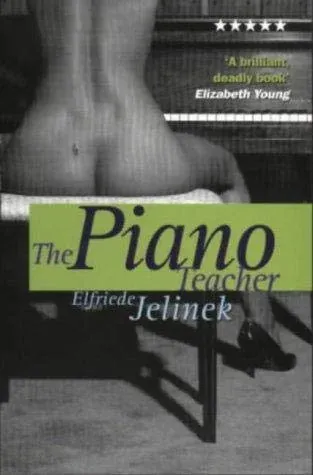
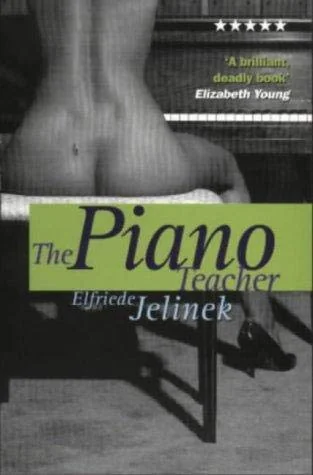
The Piano Teacher by Elfriede Jelinek Review: A Disturbing Portrait of Control
Elfriede Jelinek's novel follows repressed piano teacher Erika Kohut as she navigates a suffocating relationship with her mother and a destructive obsession with a young student. The text stands as a vital, grueling study of psychological control that rewards resilient readers while repelling those seeking conventional narrative comfort.
Best for
Its unflinching examination of psychological domination and toxic symbiosis makes it essential for readers seeking rigorous feminist critique.
Worth it if
Worth reading if you can push through its dense, fragmented structure and unrelenting bleakness for a rewarding study of psychological domination.
Skip if
Skip it if you seek conventional narrative comfort or emotional relief, as the text functions as a brutal psychological case study rather than a traditional story.
Where reviewers agree and split
Readers rate it 3.2 on Amazon. The reviews we read that discuss it in depth agree:
The Guardian · Press review: A disturbing and terrifyingly powerful novel that profoundly grips the reader
dw.com · Book blog: an important work that alarmingly explores taboos with unique linguistic power
What readers & critics say
DW highlights the novel's terrifying power and disturbing nature, praising its unique linguistic passion and sarcastic humor while noting its status as a vital, taboo-breaking work.
“The actual novel is far more terrifying.”
— The GuardianClifford Lee Sargeant shares an in-depth review of Elfriede Jelinek's novel The Piano Teacher.
A BookTube review by Better Than Food, 2017 · 25.8K views · 215K subscribers · Watch on YouTube ·
Their views, not ours. The points are our AI summary of what they say, each playing from where they say it.
Clifford Lee Sargeant praises the writing style as fluid, immaculate, and tightly controlled, reflecting Jelinek's background in classical musical composition.
The book centers on a suffocating, quasi-incestuous dynamic with an overbearing mother, which spawns the protagonist's severe psychological damage and self-harm.
Classical music serves as the last bastion of genuine emotion and hope for Erika, contrasting with the narcissistic snobbery of the conservatory world.
Neither gender is portrayed favorably, as the novel unflinchingly magnifies human cruelty and dysfunction to extremes without offering easy explanations or sympathy.
Was this helpful?
Summarize this book
Follow up
Synthesized from verified book data & published reviews · How we review
Answers come from our editorial notes on this book. If we haven't covered something, we'll say so.
Readers often ask
We review the evidence: published critics, reader verdicts and BookTube reviews, gathered and weighed with AI assistance and edited by LuvemBooks, rather than one reader's first-hand take.
The key facts and claims in this review are grounded in the retrieved, verified sources listed below.
en.wikipedia.org
openlibrary.org
groveatlantic.com
Our age band
Adult
Our age band groups books for browsing; it isn't an age a review gave.
3 content notes · who it suits
Content to know about
Best for: Adults 18+ — explicit sexual content and graphic self-harm
Skip if you seek conventional narrative comfort or emotional relief
Be one of the first readers to answer.
Read it? Was it right for you?
Curated picks for readers who enjoyed The Piano Teacher, with our reasoning for each match.
If you liked The Piano Teacher