Skip to content
Reviewed

Read Time

8 min read

Our age bandAdult
Reader rating
4.3 · 561 Amazon ratings, as of Nov 2026
reader ratings, not a LuvemBooks score
Curated & edited by

LuvemBooks Editorial

How we create our reviews →
Share This Review
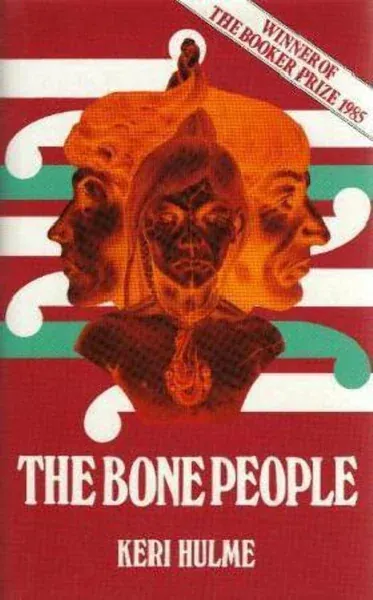
The bone People by Keri Hulme front cover

Our review

The Bone People

The bone People by Keri Hulme Review: A Fractured Trinity

Keri Hulme’s novel follows three isolated outcasts who form an unconventional bond on the New Zealand coast. Its unflinching portrayal of trauma and cultural collision secures its status as a modern literary classic.

Our age band: Adultdomestic violence · child abuse

LuvemBooks Verdict

Best for

Readers seeking a haunting exploration of trauma and found family dynamics will find it rewarding for its atmospheric immersion and cultural exploration.

Worth it if

Worth reading if you value poetic, experimental prose and are prepared to navigate ambiguous passages for profound emotional payoff.

Skip if

Skip it if you expect clear character resolution, or prefer straightforward prose over deliberately obstructive writing.

Where reviewers agree and split

Readers rate it 4.3 on Amazon. The reviews we read that discuss it in depth split on some points:

  • Negative

    The Guardian · Press review: criticizes the prose as confusing and poorly written

  • Mixed

    weneedtotalkaboutbooks.com · Book blog: unconventional and enjoyable, but failed to impress as a classic

  • Positive

    S.B. Howell · Book blog: well-written but confusing, with interesting cultural aspects and representation

Of the 2 reviews we read that discuss its prose, 1 praises its poetic quality, but 1 finds it confusing and ambiguous.

  • Prose

    1 praises its poetic quality · 1 finds it confusing and ambiguous

Prose

Praise

“Reads like it was written by a poet more than a prose stylist”

— S.B. Howell · Book blog
Criticism

“Stretches of ambiguous writing where it is difficult to say what, if anything, is being told.”

— weneedtotalkaboutbooks.com · Book blog
Overall verdicts are our summary of each review we read, from its headline, rating and conclusion. Topic counts use only words we can quote (2 reviews: 2 book blogs).

The novel polarised critics and readers, with some praising its power and originality while others criticised Hulme's writing style and portrayals of violence (Wikipedia). The Guardian dismissed the prose as confusing and poorly written, whereas S.B. Howell found it well-written but confusing, and We Need to Talk About Books called it an unconventional but enjoyable read.

“making no more sense, they are worse.”

— The Guardian
Sources: Wikipedia, The Guardian, We Need to Talk About Books, sbhowell.com
4.3from 561 Amazon ratings, as of Nov 2026— reader ratings, not a LuvemBooks score

Ask LuvemBooks

Was this helpful?

Keri Hulme’s The Bone People weaves a haunting tale of three isolated outcasts forming an unconventional bond along the rugged South Island coast. LuvemBooks finds it a rewarding but demanding read for those willing to navigate its experimental, ambiguous prose in exchange for profound emotional and cultural depth. Readers seeking traditional narrative clarity or a comfortable experience should look elsewhere.
Is it worth reading?
It is a worthwhile but demanding read for those prepared to engage with its deliberately obstructive, poetic prose and heavy thematic weight. LuvemBooks recommends it for readers seeking complex relationships, though those expecting clear resolution will likely find it unsatisfying.
Similar books
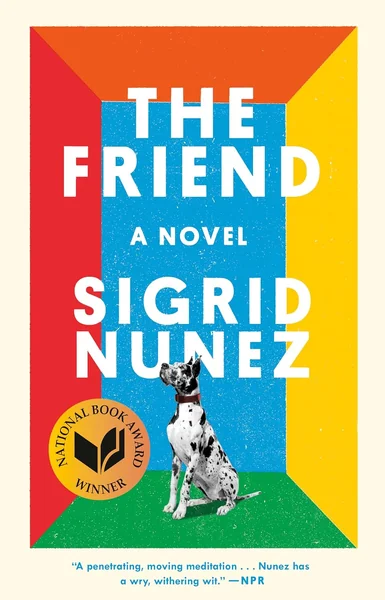
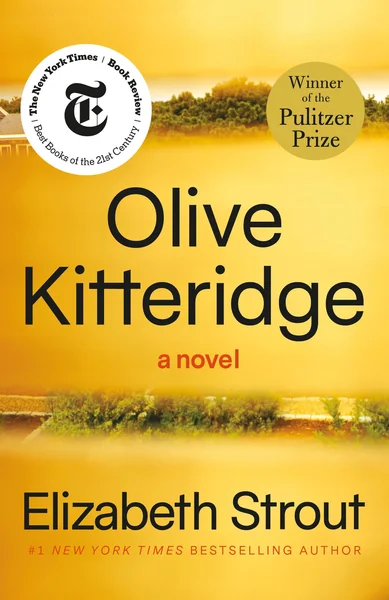
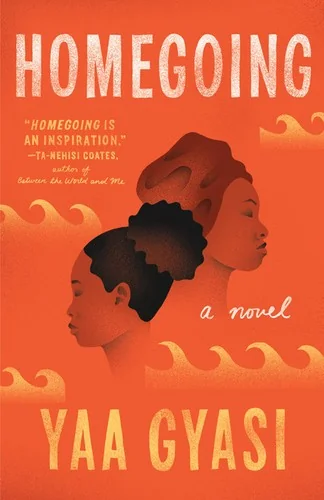
Readers drawn to its exploration of complex, non-traditional bonds and atmospheric prose will appreciate The Friend by Sigrid Nunez and Olive Kitteridge by Elizabeth Strout. Those interested in its cultural and historical layers might also connect with Homegoing by Yaa Gyasi and The Things We Never Say by Elizabeth Strout.
Who should read this?
This book suits readers who appreciate experimental storytelling over conventional plotting. It is particularly relevant to decolonizing narratives, Māori mythology, and the psychological complexities of trauma and community restoration. Readers who want straightforward storytelling or consistent prose clarity will likely struggle with its demands.
Is this a good book club pick?
It can generate robust discussions regarding cultural collision and the definition of family, though its ambiguous ending may frustrate groups preferring traditional narratives. LuvemBooks notes that readers who prioritize plot will find it useful for group analysis.
How does the prose style divide readers?
The novel's experimental and ambiguous writing consistently splits its audience. S.B. Howell praises its poetic quality, describing it as writing by a poet rather than a prose stylist, while weneedtotalkaboutbooks.com criticizes stretches of opaque language that obscure meaning. The Guardian dismisses it, highlighting the genuine critical divide over Hulme's deliberate obfuscation.
What is the audiobook adaptation like?
Her performance emphasizes the poetic rhythm of the text, making the storytelling feel intentional and immersive rather than confusing.
Summarize this book

Summarize this book

The Booker Prize-winning novel follows Kerewin Holmes, a solitary artist living in a cliffside tower, and Joe Gillayley, a troubled man grappling with profound loss, who form an unexpected bond with Simon P. Gillayley, a mute boy discovered on the beach. Together, they navigate isolation, shared trauma, and the complex intersection of Māori and Pākehā cultures, ultimately forging a non-traditional family structure that defies conventional literary categorization.

Follow up

Is it worth the effort?
How difficult is the prose?

Synthesized from verified book data & published reviews · How we review

Ask LuvemBooks

What would you like to know about The Bone People?

Answers come from our editorial notes on this book. If we haven't covered something, we'll say so.

Readers often ask

Our Review

We review the evidence: book bloggers and reader verdicts, gathered and weighed with AI assistance and edited by LuvemBooks, rather than one reader's first-hand take.
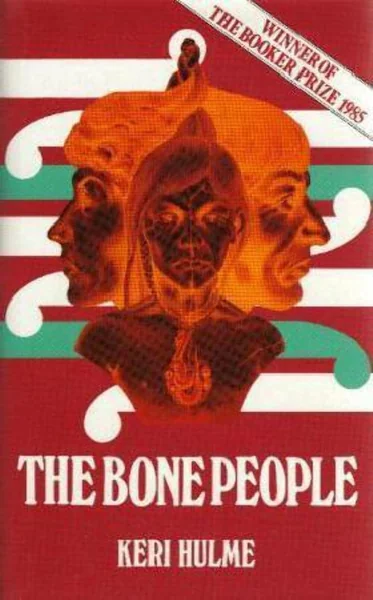
This Booker Prize-winning novel delivers a haunting exploration of trauma and belonging that rewards patience, though its prose and pacing divide readers. Readers seeking a traditional narrative arc or a comfortable reading experience should look elsewhere.
The bone People by Keri Hulme front cover

The Premise and Unorthodox Trinity

Kerewin Holmes maintains a solitary existence in a self-built tower overlooking the South Island coast. She survives as an artist while actively avoiding emotional connection with her family and the local community.
Her isolation abruptly fractures when a mute boy named Simon P. Gillayley arrives at her door. Simon was discovered washed up on the beach years earlier and was subsequently taken in by Joe Gillayley.
Joe is a troubled man who struggles with profound personal loss and a complicated history of his own. The trio gradually develops a tentative relationship that is later violently driven apart.
They eventually reunite to navigate the complex intersection of Māori and Pākehā cultures. The narrative examines how shared trauma binds its characters together while challenging traditional family structures.
Rather than a traditional couple, the narrative explores a complex, non-traditional love story involving a woman, a man, and a mute child. Simon's mute condition forces the characters to communicate through hand signals and notes.
This unconventional dynamic creates a unique emotional landscape that defies standard literary categorization.

Cultural Collision and Literary Significance

The novel emerged after twelve years of dedicated writing and faced repeated rejection from mainstream publishers. Keri Hulme ultimately published the work through Spiral, a small all-women collective, in 1984, before it was reissued by Hodder & Stoughton in 1985.
The book subsequently became the first New Zealand novel to win the Booker Prize in 1985. Its victory sparked immediate controversy, with two of the five judges opposing the choice due to the book's explicit portrayals of child abuse and violence.
The work remains widely recognized as a foundational text of New Zealand literature. It challenges colonial narratives through its deliberate blending of indigenous myths and language.
The narrative operates as an ambitious exploration of the zone where indigenous and European New Zealand meet, clash, and sometimes merge. The Booker Prizes noted that Hulme was away in America when she won, so the award was collected on her behalf by representatives of her publisher.
This moment highlighted the immense struggle required to bring the book to print.

Strengths in Character and Atmosphere

Alice Walker praised the novel as "amazingly, wondrously great," highlighting its powerful emotional core. Critics and readers frequently note the vivid, poetic descriptions of the New Zealand coastline and Maori mythological elements.
The Guardian dismissed the prose as confusing and poorly written. This approach effectively backs the prose with evocative cultural imagery that grounds the experimental narrative.
Reviewers also appreciate the nuanced depiction of Joe, whose violent actions stem from his own abused childhood and deep self-loathing. The book blogger behind weneedtotalkaboutbooks.com found the novel to be an unconventional but enjoyable read.
This reviewer noted that the characters successfully carry the weight of their pasts without romanticizing their suffering. The narrative also offers a compelling portrait of Kerewin as a complex, butch AFAB person navigating solitude and self-knowledge.
EBSCO research highlights how the story addresses the cycles of abuse and the urgent need for community restoration. The text demonstrates a deep commitment to portraying the spiritual deficiencies in cultures that have supplanted ancient Polynesian traditions.

Limitations in Style and Accessibility

The novel's experimental prose style and ambiguous passages have consistently divided its audience. The book blogger behind S.B. Howell noted that the text reads like it was written by a poet more than a prose stylist.
Some readers find the stretches of ambiguous writing distracting, perceiving them as pretentious rather than poetic. The explicit depiction of domestic violence and child abuse creates a heavy atmosphere that will alienate readers seeking lighter literary fiction.
Wikipedia's reception summary notes that while some praised the novel's power, others specifically criticized Hulme's writing style. These readers found the deliberate obfuscation of dialogue and plot to be a significant barrier to engagement.
The narrative also demands a high tolerance for psychological intensity and emotional ambiguity. The final scenes offer little resolution, leaving the reader with only hints of happiness and lingering suspicion.
This open-ended conclusion may frustrate readers who expect narrative closure or clear character arcs.

Is The bone People Worth Reading Today?

The critical reception reveals a book that demands active engagement rather than passive consumption. The central tension lies between its profound thematic depth regarding community and trauma, and its deliberately obstructive, poetic prose.
Critics who embrace its experimental nature view it as a vital post-colonial masterpiece. Those preferring traditional narrative clarity find it impenetrable and frustrating.
The work stands apart from conventional literary fiction, operating more like a complex myth that requires patience to decode. Readers who value atmospheric immersion and cultural exploration over plot momentum will find it deeply rewarding.
Those who prefer straightforward storytelling and consistent prose clarity will likely struggle with its demands. The novel remains a challenging but essential read for anyone interested in decolonizing literature and exploring the complexities of found family.

Sources & Further Reading

The key facts and claims in this review are grounded in the retrieved, verified sources listed below.

  1. Cited in this review
  2. 1
  3. Further reading
  4. 2
  5. 3
  6. 4
  7. 5
  8. 6
  9. 7
  10. 8
  11. 9

Age & Reading Level

Our age band

Adult

Our age band groups books for browsing; it isn't an age a review gave.

Content to know about

domestic violence
child abuse
grief and loss
cultural displacement

Best for: Adults — explicit depictions of domestic violence and child abuse create a heavy atmosphere.

Skip if you expect a traditional narrative arc, clear character resolution, or prefer straightforward prose over deliberately obstructive writing.

From our readers

Reader reviews

No LuvemBooks readers have answered yet.

Read it? Was it right for you?

Discussion

Reader comments