7 min read
Share This Review
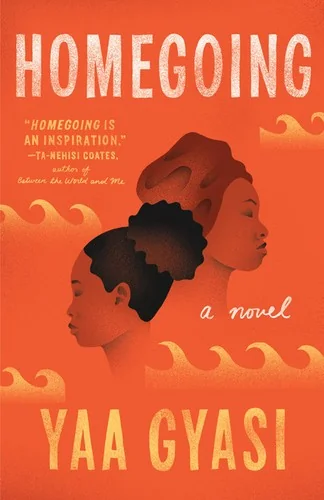
Yaa Gyasi’s debut novel traces eight generations of two half-sisters, Effia and Esi, from eighteenth-century Ghana to Jazz Age Harlem. This ambitious historical saga examines the enduring wounds of the transatlantic slave trade through a sweeping, multigenerational lens. Readers seeking expansive fiction that rewards patience with profound historical insight will find it compelling.
LuvemBooks Verdict
Best for
A sweeping, multigenerational examination of slavery’s enduring psychological legacy across two continents, ideal for readers who value historical breadth over traditional plot cohesion.
Worth it if
Worth reading if you are willing to invest in an episodic structure that prioritizes historical breadth and thematic resonance over a single protagonist's arc.
Skip if
Skip it if you prefer tightly plotted, character-driven narratives with consistent dialogue, as the linked-chapter format leaves some figures underdeveloped and the prose occasionally overwrought.
Where reviewers agree and split
Readers rate it 4.5 on Amazon. The reviews we read that discuss it in depth split on some points:
- Mixed
Kirkus Reviews · Press review: promising debut with emotional depth, but lacks epic scope
- Positive
The Guardian · Press review: impressive feat from debut writer with empathic and well-researched storytelling
- Positive
NPR · Press review: sprawling epic debut that brims with compassion (from its headline)
- Positive
The New York Times · Press review: hypnotic debut from stirringly gifted writer contemplating human trafficking (from its headline)
- Positive
BookBrowse · Magazine: extraordinary debut with breathtaking sweep, exquisite language and soaring beauty
- Positive · 4/5 stars
Reading with Delaney · Book blog: highly invested reading experience with complex characters and compelling storytelling
- Positive
Bromley House Library · Book blog: uplifting and thought-provoking read that draws readers into compelling stories
- Positive
Readers' High Tea · Book blog: moving and heartbreaking saga that readers recommend wholeheartedly
- Positive
Ashley Hajimirsadeghi · Book blog: captivating framework with brilliant ideas that fascinate throughout (from its headline)
Of the 2 reviews we read that discuss its characters, 1 draws sharply defined character studies, but 1 leaves some characters underdeveloped.
Characters
1 draws sharply defined character studies · 1 leaves some characters underdeveloped
Who says what
Characters
“A novel of sharply drawn character studies immersed in more than 250 hard”
— Kirkus Reviews · Press review“For some characters, a chapter feels too little and for others too much”
— Bromley House Library · Book blogWhat readers & critics say
Kirkus Reviews called it a 'promising debut that's awake to emotional, political, and cultural tensions,' though it found the novel lacks epic scope, while The Guardian highlighted its 'hugely empathic, unflinching portrayal' of colonialism and forced migration.
“A promising debut that’s awake to emotional, political, and cultural tensions across time and continents.”
— Kirkus Reviews“hugely empathic, unflinching portrayal of west Africa’s role in the transatlantic slave trade.”
— The GuardianAsk LuvemBooks
Was this helpful?
- Is it worth reading?
- It is a compelling read for those willing to invest in an episodic structure that prioritizes multiple generational perspectives. Reviewers praise its monumental scope and compassionate tone, though some note that the linked-chapter format leaves certain figures underdeveloped. Readers seeking plot momentum might find the shifting viewpoints jarring, while those who embrace expansive scope will find it deeply rewarding.
- Similar books
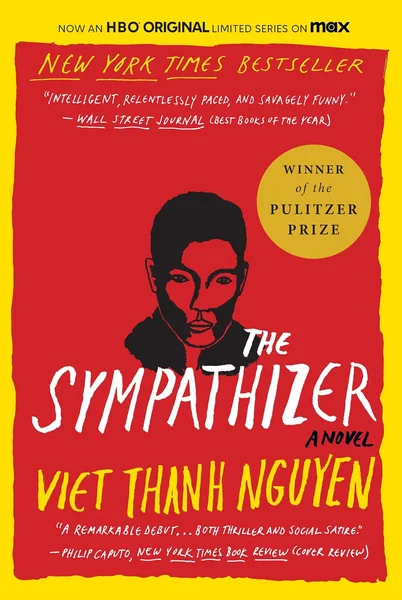
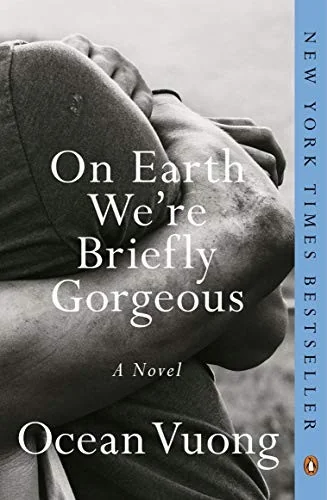
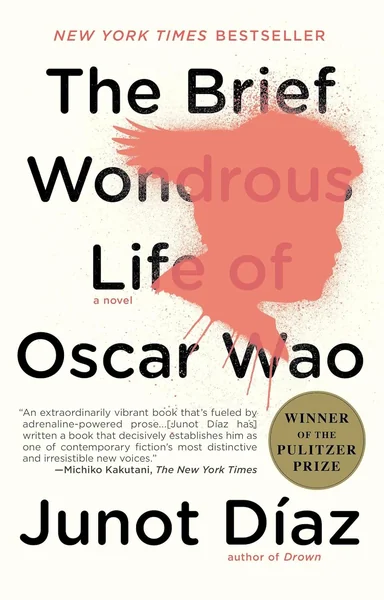
- Readers who connect with Gyasi's multigenerational scope and lyrical prose will likely appreciate The Sympathizer by Viet Thanh Nguyen, On Earth We're Briefly Gorgeous by Ocean Vuong, and The Brief Wondrous Life of Oscar Wao by Junot Díaz. These titles also explore complex diasporic identities and historical trauma through innovative narrative structures. If you are exploring Gyasi's broader bibliography, you might also look into her other works, though they cover different contemporary themes.
- Who should read this?
- This book is ideal for readers who value depth and layered meaning over narrative linearity. It suits those interested in the enduring psychological legacy of slavery, multigenerational family sagas, and literary examinations of colonialism and the African diaspora. The episodic format and shifting perspectives make it a strong choice for readers who enjoy expansive, character-driven vignettes rather than a single continuous narrative.
- What age is it for?
- Written for adults, the novel deals with heavy historical themes like slavery, racial violence, and inherited trauma. While it does not contain explicit sexual content, the mature subject matter and complex narrative structure make it best suited for adult readers. The thematic depth and historical context require a level of comprehension and emotional readiness typically found in grown-up audiences.
- About Yaa Gyasi
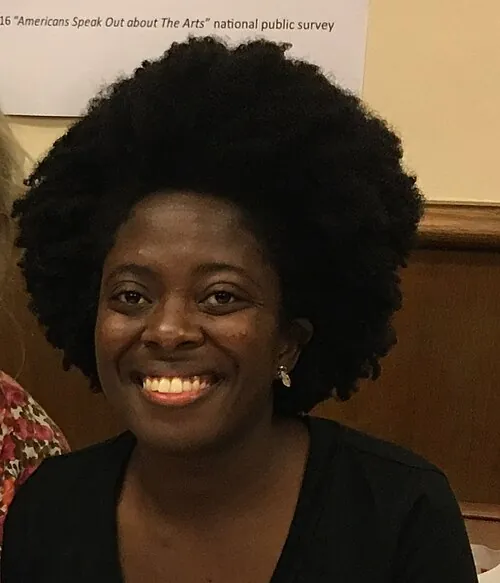
- Yaa Gyasi is the author of Homegoing, a sweeping historical fiction novel that traces the interconnected stories of two half-sisters separated by circumstance across centuries of African and African American history.
- What are the main themes?
- The novel explores the cultural legacy of slavery and colonialism across centuries. It examines how trauma, identity, and family bonds persist despite the ruptures caused by colonialism and slavery. The narrative also contrasts the experiences of Ghanaian and African American descendants, highlighting how hope and pain spread unpredictably across time and geography.
- Is it a good book club pick?
- Yes, its rich historical scope and complex moral landscape make it highly discussion-worthy. Book clubs can explore different generations and perspectives, while the themes of slavery, colonialism, and diasporic identity provide ample ground for conversation. Bromley House Library emphasizes its emotional weight and historical relevance, making it a compelling choice for thoughtful group reading.
Summarize this book
Follow up
Synthesized from verified book data & published reviews · How we review
What would you like to know about Homegoing?
Answers come from our editorial notes on this book. If we haven't covered something, we'll say so.
Readers often ask
Our Review
We review the evidence: published critics, reader verdicts and BookTube reviews, gathered and weighed with AI assistance and edited by LuvemBooks, rather than one reader's first-hand take.
The Novel's Significance
Plot and Structure
Strengths of the Narrative
Limitations and Reader Considerations
Is Homegoing Worth Reading?
Sources & Further Reading
The key facts and claims in this review are grounded in the retrieved, verified sources listed below.
- Cited in this review
- 1
penguinrandomhouse.com
- 2
- 3
forbiddenbookshop.com
- Further reading
- 4
Yaa Gyasi, LuvemBooks
- 5
en.wikipedia.org
- 6
- 7
- 8
ashleyhajimirsadeghi.com
- 9
bookbrowse.com
- 10
bookmarks.reviews
- 11
bromleyhouse.org
- 12
- 13
Kirkus Reviews
- 14
The Guardian
Age & Reading Level
Our age band
Adult
Our age band groups books for browsing; it isn't an age a review gave.
4 content notes · who it suits
Content to know about
Best for: Adults — themes of slavery, racial violence, and inherited trauma.
Skip if Skip it if you prefer tightly plotted, character-driven narratives with consistent dialogue.
Reader reviews
Be one of the first readers to answer.
Read it? Was it right for you?
Books like Homegoing
Curated picks for readers who enjoyed Homegoing, with our reasoning for each match.

If you liked Homegoing