At a glance
About the Author
Rebecca Perry1 book reviewed
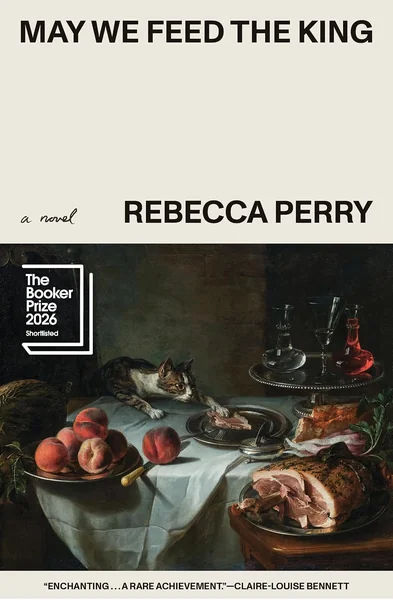
May We Feed the King
by Rebecca Perry
LuvemBooks Verdict
Best for: Readers who relish literary, dual-timeline historical fiction — in the vein of A. S. Byatt or Hilary Mantel — and who are drawn to novels that interrogate how history is constructed, preserved, and quietly distorted, sentence by careful sentence.
Worth it? Skip it? Read the full verdict →Ask LuvemBooks
Was this helpful?
- Is it worth reading?
- For readers drawn to literary fiction that takes history seriously as a philosophical problem — in the territory of A. S. Byatt or Hilary Mantel — May We Feed the King represents one of the most accomplished and decorated debuts of its year. Its Booker shortlisting and Waterstones Debut Fiction Prize win confirm the scale of critical attention it has attracted, and reviewers at the Times Literary Supplement and The Observer have praised both its construction and its intellectual ambition. The key caveat is pacing: Perry is a poet first, and the novel's pleasures are meditative rather than propulsive — readers who want a fast-moving historical plot may find the demands of its philosophical inquiry challenging.
- Similar books
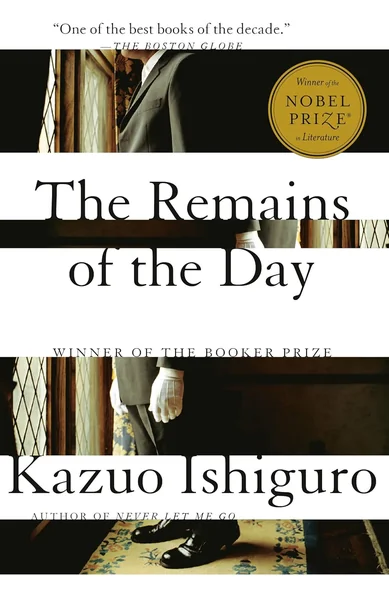
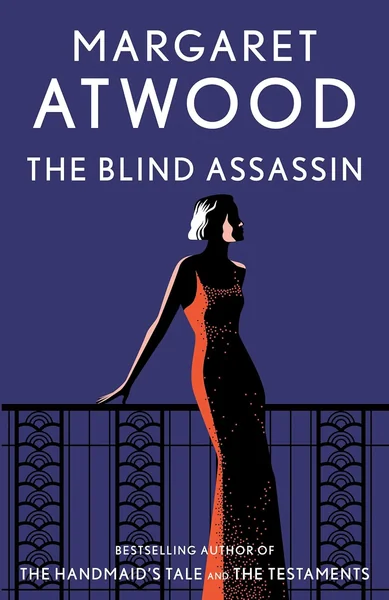
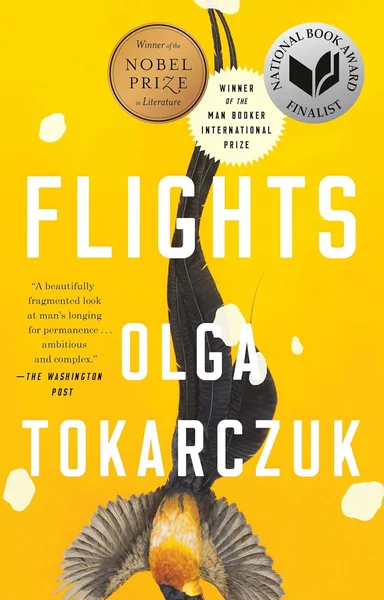
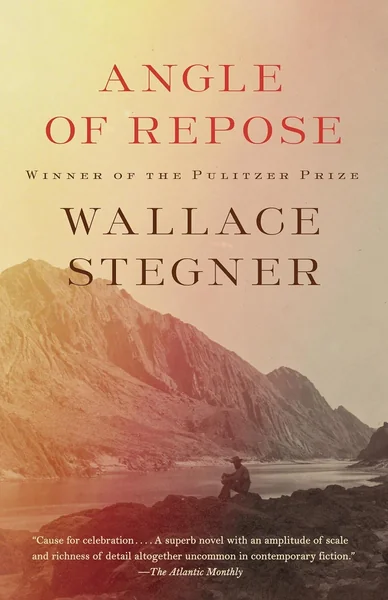
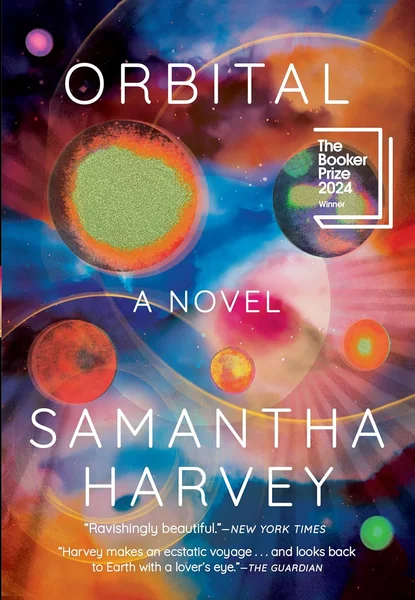
- Readers who respond to May We Feed the King's meditative dual-timeline structure and its literary inquiry into history and time will find natural companions in several of the curated titles below. Kazuo Ishiguro's The Remains of the Day shares its mood of restrained interiority and the weight of what is lost to time and devoted service; Margaret Atwood's The Blind Assassin similarly interweaves timelines and interrogates how stories — and history itself — are constructed and controlled. Olga Tokarczuk's Flights, like Perry's novel, resists conventional plot in favour of a fragmentary, essayistic meditation on movement, memory, and what connects us across time. Samantha Harvey's Orbital, another recent Booker Prize winner celebrated for its lyrical, contemplative prose, shares Perry's interest in perspective, impermanence, and the relationship between the human observer and the world being observed. Wallace Stegner's Angle of Repose also works across time periods, using a present-day narrator's engagement with the past to raise questions about history, interpretation, and meaning.
- Who should read this?
- May We Feed the King is written for adult readers who bring patience and intellectual appetite to literary fiction — specifically those drawn to dual-timeline historical narratives with serious philosophical ambitions. Fans of A. S. Byatt, Hilary Mantel, and writers who treat history as a site of epistemological inquiry rather than scenic backdrop will be in the right territory. It is also a natural choice for readers of Booker Prize literary fiction who value prose that works at the level of the sentence and who welcome novels that genuinely unsettle received ideas about memory, curation, and historical truth. Readers who prioritise plot momentum and narrative drive over contemplative, essayistic fiction are likely to find the pacing a mismatch.
- Has it won any awards?
- May We Feed the King has received exceptional recognition for a debut novel. It was shortlisted for the 2026 Booker Prize, one of the most prestigious literary awards in the English-speaking world, and won the 2026 Waterstones Debut Fiction Prize. The Booker judges specifically praised its conceptual heft — its genuine intellectual challenge to the idea of a singular historical truth — marking it out as more than a conventional debut.
- What does the novel say about history?
- At its philosophical core, May We Feed the King is an interrogation of how history is made and who controls what survives. The Booker Prize judges highlighted the novel's challenge to the notion that there is ever "one universal historical truth," and noted its attention to bias and whitewashing in the historical records that endure. Perry uses the figure of the museum curator — whose job is literally to select, arrange, and present the past — as a lens for asking what museums preserve and what they quietly erase. The novel also asks what makes a king "Great" and what makes a life meaningful, treating these as questions of language and form as much as of fact.
- Is this a good book club pick?
- May We Feed the King is a strong book club choice for groups who enjoy discussion-driven literary fiction. Its central questions — whether history is ever truly a safe escape from the present, what makes a life meaningful, and who controls the shape of historical memory — are the kind of open-ended provocations that generate sustained debate. The dual-timeline structure gives groups two distinct narrative threads to compare and discuss, and the Booker Prize judges' framing of its intellectual stakes provides a ready-made critical vocabulary for the conversation. Groups that prefer propulsive, plot-centred reads may find the meditative pace less conducive to the kind of chapter-by-chapter momentum that drives some club choices.
Summarize this book
Follow up
Synthesized from verified book data & published reviews · How we review
Press Enter to ask. Answers come from our editorial Q&A — start typing to see related questions.
Age & Reading Level
Recommended age
Adult
Reading level
Adult
who it suits
Skip if you want a plot-driven historical narrative with momentum and action rather than a meditative, poetic inquiry into history and memory.
Editorial Review
May We Feed the King is Rebecca Perry's debut novel, published by Transit Books, in which a reserved museum curator who reconstructs medieval rooms collides with the world of a reluctant monarch — a dual-timeline meditation on history, devotion, and what survives time. A finalist for the 2026 Booker Prize and winner of the 2026 Waterstones Debut Fiction Prize, it arrives as one of the most decorated debut novels of its year.
Read the Full ReviewBooks like May We Feed the King
Curated picks for readers who enjoyed May We Feed the King, with our reasoning for each match.
If you liked May We Feed the King