8 min read
4.2
· 12,783 Amazon ratingsShare This Review
Martyr! by Kaveh Akbar Review: A Searing, Multilayered Debut Novel
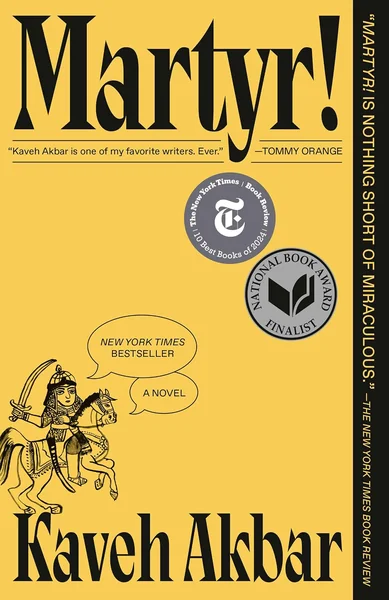
Kaveh Akbar's debut novel Martyr! Follows Cyrus Shams, a young Iranian-American poet in recovery who is obsessed with martyrdom, as he grapples with inherited grief — his mother's death when her plane was shot down over the Persian Gulf, and his father's diminished life working at a Midwestern chicken factory. A National Book Award finalist, the novel has drawn praise from major literary figures and critics for its fearless blend of addiction, displacement, biculturalism, and the aching need to make something meaningful out of pain.
LuvemBooks Verdict
Best for
Readers of literary fiction drawn to voice-driven, deeply interior narratives about grief, addiction, and cultural inheritance — particularly those who appreciate prose shaped by a poet's precision and welcome big thematic ambitions grounded in specific, personal detail.
Worth it if
Worth reading if you value sentences that can move from funny and philosophical to quietly devastating within the same paragraph, and you're willing to follow a narrator whose search for meaning matters more than plot momentum.
Skip if
Skip it if you need a tightly plotted, event-driven novel — the book's emphasis on interiority, ideas, and philosophical range asks a great deal of patience from readers who prefer narrative momentum over meditative depth.
What readers & critics say
NPR called Martyr! "engaging and wildly entertaining," crediting Akbar's ability to ground universal feelings in very specific stories and praising prose that "dances on the page, effortlessly going from funny and witty to deep and philosophical." The Guardian found the prose "richly expansive" and noted the novel's candour and easy relatability, though it cautioned that it can struggle with too much angst and a lack of subtlety; Kirkus described it as "a philosophical discourse inside an addiction narrative, all wrapped up in a quest novel," while BookBrowse summarised it as "talky, ambitious, allusive, deeply meditative… imperfect, yes, but intense, original, and smart."
“Engaging and wildly entertaining… focuses on very specific stories while discussing universal feelings.”
— NPR“The prose is richly expansive… the candour and sensitivity of Akbar's narration gives it an easy relatability.”
— The Guardian“A philosophical discourse inside an addiction narrative, all wrapped up in a quest novel.”
— Kirkus ReviewsAsk LuvemBooks
Was this helpful?
- Is it worth reading?
- For readers drawn to literary fiction that operates at the level of the sentence, Martyr! represents an exceptional achievement — a debut novel that critics called the work of 'a great, fearless novelist.' The combination of a poet's economy of language with genuine narrative momentum is identified across sources as the book's defining formal achievement, and blurbs from Tommy Orange, Lauren Groff, John Green, and Clint Smith reflect an unusual degree of sustained enthusiasm from writers across different corners of contemporary American literature. The key caveat is that the novel's emphasis on interiority, philosophy, and voice over event-driven plot means it asks a great deal of its reader's attention and patience with ideas that resist easy resolution.
- Similar books
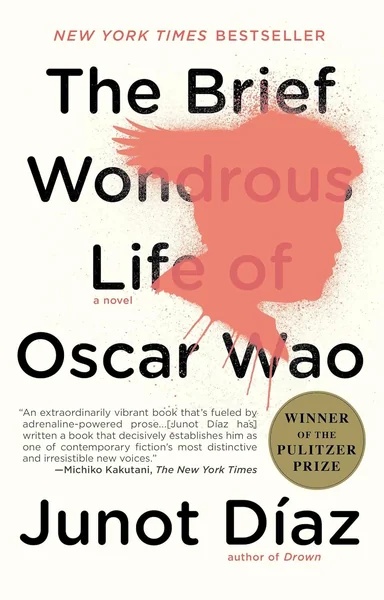
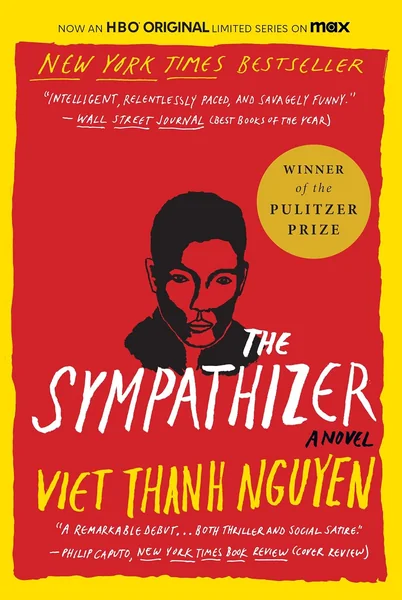
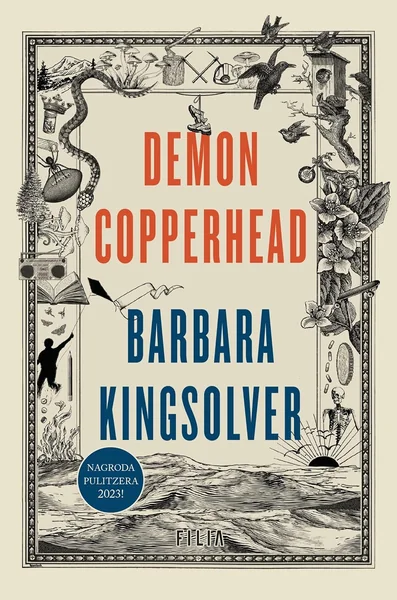
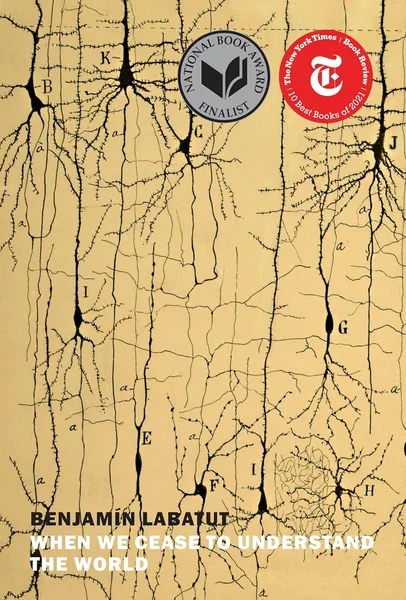
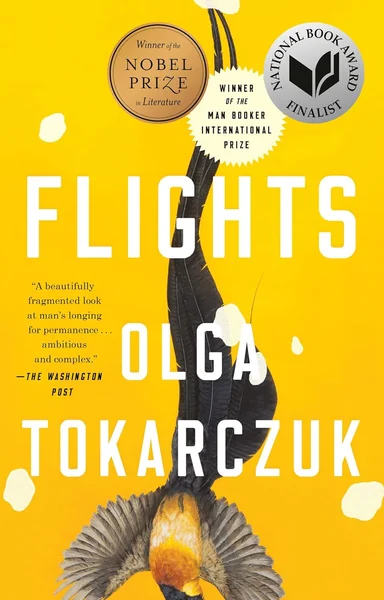
- Readers who respond to Martyr!'s blend of diasporic identity, literary ambition, and inherited trauma might explore Junot Díaz's The Brief Wondrous Life of Oscar Wao, which similarly fuses cultural displacement and family history with an electric prose voice, or Viet Thanh Nguyen's The Sympathizer, another Pulitzer-recognized novel navigating bicultural identity and political violence with formal daring. Barbara Kingsolver's Demon Copperhead shares Martyr!'s unflinching engagement with addiction and the weight of a diminished American life. For readers drawn to the novel's lyrical, fragmentary quality and meditation on mortality, Olga Tokarczuk's Flights and Benjamin Labatut's When We Cease to Understand the World offer similarly unconventional, philosophically charged literary experiences.
- Who should read this?
- Martyr! is designed for readers drawn to literary fiction that operates at the intersection of personal grief and larger political and cultural inheritance — those who enjoy novels where voice, language, and interiority drive the narrative rather than conventional plot mechanics. It will resonate especially with readers interested in Iranian-American experience, addiction and recovery narratives, the psychology of artistic ambition, and the way inherited trauma shapes identity. Readers who appreciate poets writing prose — and the formal precision and surprise that brings — will find it particularly rewarding.
- Has it won any awards?
- Martyr! was named a National Book Award finalist, a distinction that signals its standing among the most significant American literary works of its publication year. Beyond the formal recognition, the novel received an unusual concentration of sustained praise from major literary peers — Tommy Orange called Akbar 'one of my favorite writers. Ever.'; Lauren Groff described it as 'the best novel you'll ever read about the joy of language, addiction, displacement, martyrdom, belonging, homesickness'; and Clint Smith called it 'simply extraordinary,' comparing its language to 'a symphony.'
- How does it handle grief and addiction?
- Martyr! grounds its treatment of grief and addiction in the specific rather than the universal — Cyrus Shams's grief is inseparable from the particular absurdity of his mother's death when her plane was shot down over the Persian Gulf, and from the particular texture of his father's diminished immigrant life working at a Midwest chicken factory. Addiction is not treated as a backdrop but as a lived condition that shapes how Cyrus moves through the world and what he makes of his art. Critics credited Akbar's ability to anchor these enormous emotional territories in concrete family history as what makes the novel's vast scope workable rather than overwhelming.
- Any content warnings?
- Martyr! engages directly and unflinchingly with addiction and recovery, grief, death (including a parent's violent accidental death), sexuality, and racism. Readers sensitive to detailed depictions of substance use and recovery, or to themes of inherited trauma and loss, should go in prepared. The novel is written for adult readers; its philosophical depth and emotional intensity assume a mature readership comfortable sitting with unresolved questions and moral complexity.
Summarize this book
Follow up
Synthesized from verified book data & published reviews · How we review
Press Enter to ask. Answers come from our editorial Q&A — start typing to see related questions.
Age & Reading Level
Recommended age
Ages 16+
Reading level
Adult
4 content notes · who it suits
Content to know about
Best for: Adults / mature 16+ — themes of addiction and recovery, a parent's violent death, sexuality, and philosophical complexity around martyrdom and inherited trauma.
Skip if you want a tightly plotted, event-driven novel rather than a voice-driven, philosophically interior one.
Our Review
What the Novel Is and What It Does
Significance and Critical Standing
The Craft: Poetry Translated Into Prose
Thematic Range and Emotional Stakes
Who This Novel Is For — and Where It Challenges
Sources & Further Reading
The key facts and claims in this review are grounded in the retrieved, verified sources listed below.
- Cited in this review
- 1
- 2
en.wikipedia.org
- 3
mastersreview.com
- Further reading
- 4
- 5
bookbrowse.com
- 6
devontrevarrowflaherty.com
- 7
- 8
wakefieldbooks.com
- 9
wordbookstores.com
- 10
nationalbook.org
- 11
Books like Martyr!
Curated picks for readers who enjoyed Martyr!, with our reasoning for each match.
If you liked Martyr!