At a glance
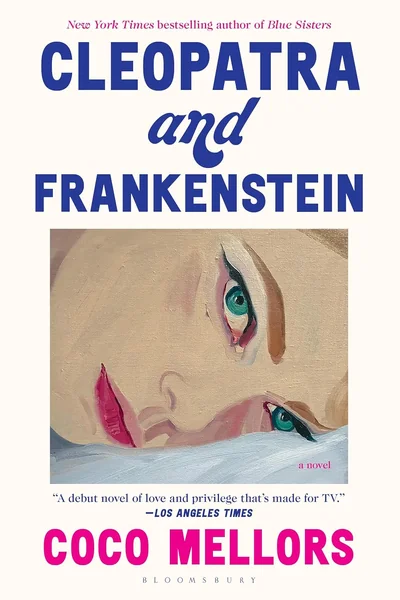
Cleopatra and Frankenstein
by Coco Mellors
LuvemBooks Verdict
Best for: Readers drawn to emotionally charged relationship fiction set against a vividly rendered urban backdrop — especially those who loved Sally Rooney's Conversations with Friends and want a novel that treats addiction, grief, and marital unravelling with candor rather than sentimentality.
Worth it? Skip it? Read the full verdict →Ask LuvemBooks
Was this helpful?
- Is it worth reading?
- For readers drawn to emotionally charged relationship fiction, Cleopatra and Frankenstein is well worth the investment. The central marriage between Cleo and Frank is rendered with enough warmth, specificity, and candor that its eventual unraveling carries genuine weight, and the character of Eleanor — a screenwriter drawn into Frank's orbit — stands out as a particular highlight, with Publishers Weekly noting that her sections 'achieve the mix of wit, pathos, and romance the rest strives to attain.' The Evening Standard described being 'intensely consumed' by the book's world, and it became a national bestseller and Goodreads Choice Award finalist. The key caveat is tonal unevenness: the satirical supporting cast too often tips into caricature, and readers who prefer tightly controlled ensemble fiction may find those rough edges genuinely distracting.
- Similar books
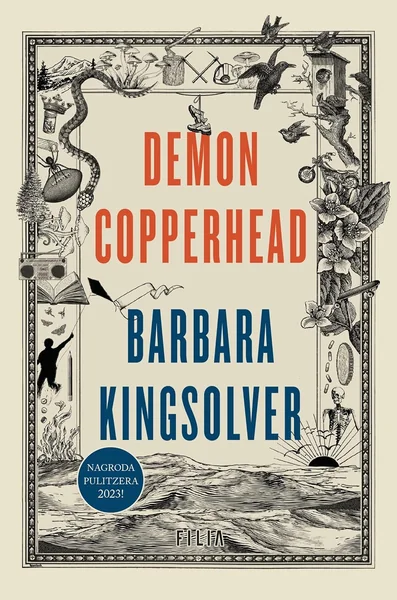
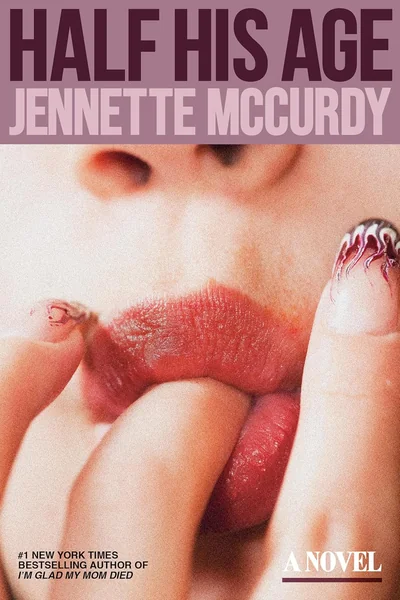
- Readers who connected with Cleopatra and Frankenstein will find natural companions in several directions. Sally Rooney's Conversations with Friends shares its preoccupation with relationship dynamics, millennial class anxiety, and the damage intimacy causes — early coverage made the comparison explicitly. For addiction rendered with similar unflinching candor, Barbara Kingsolver's Demon Copperhead offers a powerful counterpart, following the devastation of substance dependency on a young life. Jennette McCurdy's Half His Age overlaps on the significant age-gap relationship and the psychological baggage both partners bring. For those drawn to the ensemble marital panorama, Jonathan Franzen's The Corrections and Jenny Offill's Dept. of Speculation both map the slow erosion of a marriage with literary precision, while Mellors' own follow-up, Blue Sisters, continues her exploration of grief and addiction.
- Who should read this?
- Cleopatra and Frankenstein is best suited to readers of emotionally charged literary fiction who want their relationship drama grounded in social observation and psychological honesty. Those who responded to Sally Rooney's Conversations with Friends — or to novels that treat addiction and grief with directness rather than sentimentality — will find the most to love here. Readers who enjoy the texture of a specific urban milieu (downtown Manhattan's creative class, circa 2007 and beyond) will appreciate how thoroughly Mellors makes socioeconomic contradiction part of her subject. Those who prefer tightly controlled ensembles or consistent satirical tone should proceed with tempered expectations.
- About Coco Mellors
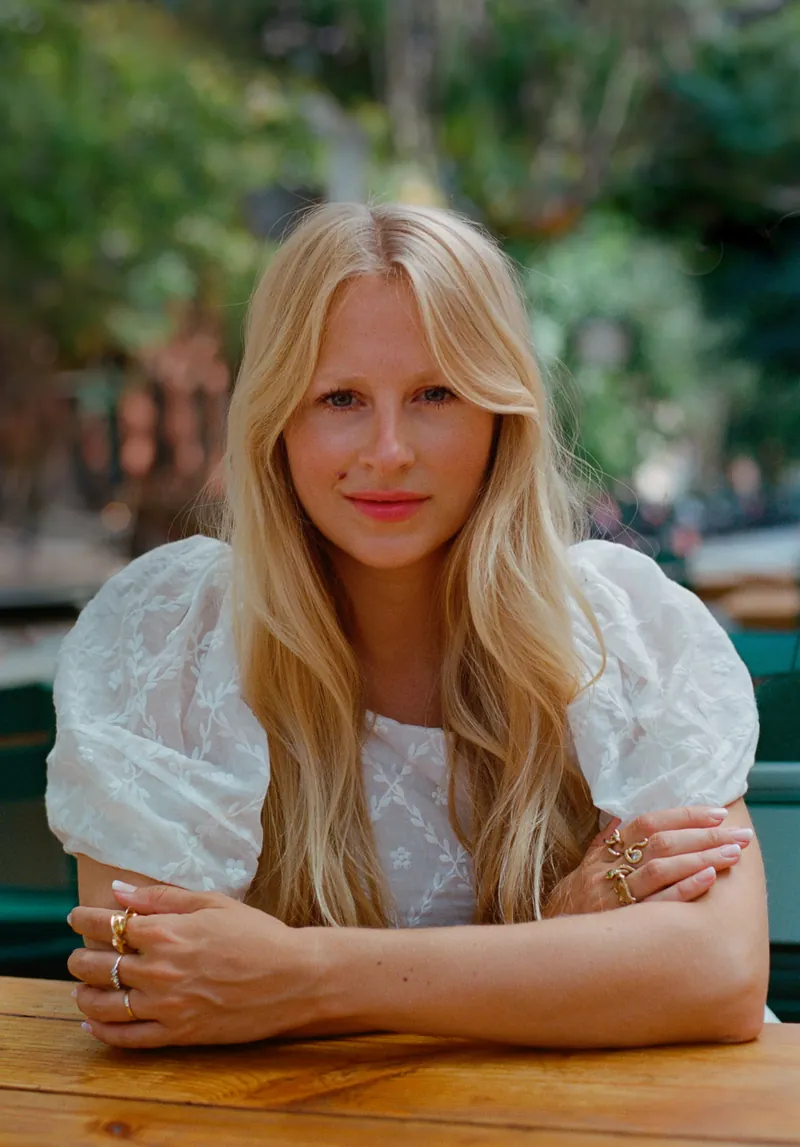
- Coco Mellors is a British writer known for her work in fiction and various writing roles, including copywriting, journalism, and scriptwriting.
- What are the main themes?
- Cleopatra and Frankenstein weaves together several interlocking themes: addiction and the way it warps relationships (Frank's alcoholism is central to the marriage's unraveling); inherited trauma (Frank's emotionally distant alcoholic mother and Cleo's mother's suicide by suicide both shadow the couple's dynamic); infidelity and the carelessness that erodes intimacy over time; and class performance within New York's creative elite, where even struggling artists are cushioned by safety nets. Waterstones described the novel as simultaneously 'a great, swooning love story,' 'a shattering depiction of how addiction and mental illness warp our lives,' and 'a perceptive, witty portrait of globalized New York' — a summary that captures the thematic range Mellors is attempting.
- Is it a good book club pick?
- Cleopatra and Frankenstein makes a strong book club selection, offering multiple angles for discussion: the ethics of the age-gap marriage, the structural choice to skip the courtship entirely (which the LA Times called a deliberate narrative statement about how 'a marriage has set or curdled'), the portrayal of addiction and inherited trauma, and the question of whether the supporting cast functions as sharp satire or thin caricature. The novel's unevenness — praised by some as rich and scattered by Publishers Weekly as 'a bit scattered' — is itself a productive debate. Its status as a national bestseller and Goodreads Choice Award finalist means many members may already have encountered it, which often sparks livelier conversation.
Summarize this book
Follow up
Synthesized from verified book data & published reviews · How we review
Press Enter to ask. Answers come from our editorial Q&A — start typing to see related questions.
Age & Reading Level
Recommended age
Adult
Reading level
Adult
4 content notes · who it suits
Content to know about
Best for: Adults — explicit portrayal of alcoholism, addiction, infidelity, and parental suicide by suicide as formative backstory.
Skip if you want tightly controlled ensemble fiction with consistent satirical tone and fully realized supporting characters.
Editorial Review
Coco Mellors' debut novel follows Frank, a successful Manhattan ad executive with a worsening drinking problem, and Cleo, an aspiring British painter twenty years his junior, who meet on New Year's Eve and are married six months later — a whirlwind union that slowly unravels under the weight of infidelity, addiction, and unresolved childhood wounds. Published by Bloomsbury, the novel is both an intimate portrait of a damaged marriage and a satirical panorama of downtown New York's creative class.…
Read the Full ReviewBooks like Cleopatra and Frankenstein
Curated picks for readers who enjoyed Cleopatra and Frankenstein, with our reasoning for each match.
If you liked Cleopatra and Frankenstein