At a glance
About the Author
Monica Wood1 book reviewed
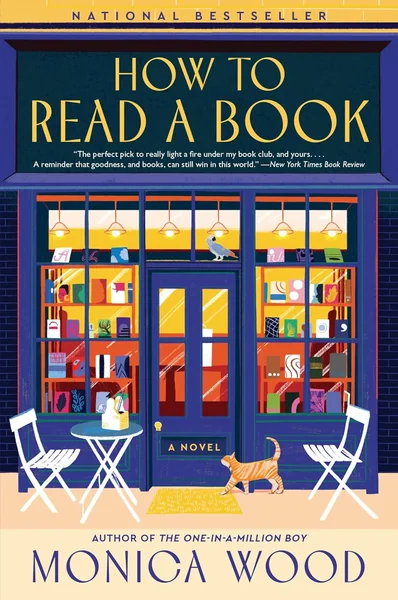
How to Read a Book
by Monica Wood
LuvemBooks Verdict
Best for: Readers who love quiet, character-driven fiction centred on moral complexity — particularly those drawn to stories about forgiveness, grief, and community, and who appreciate a novel that works especially well as a book-club read.
Worth it? Skip it? Read the full verdict →Ask LuvemBooks
Was this helpful?
- Is it worth reading?
- For readers drawn to quiet, character-driven literary fiction, How to Read a Book is a deeply rewarding experience — BookTrib urges readers to place it 'at or near the top of your reading list,' citing its warmth, wit, hope, and understanding. Wood's reputation for emotionally precise character work is well-applied here: the convergence of Harriet, Frank, and Violet creates sustained ethical and emotional tension that prevents the story from settling into sentimentality. The caveat is that readers who prefer plot-driven momentum or fiction that sustains unresolved moral ambiguity may find the consistently compassionate tone more reassuring than challenging.
- Similar books
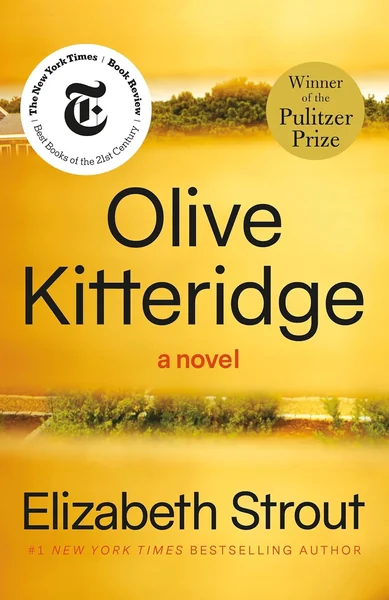
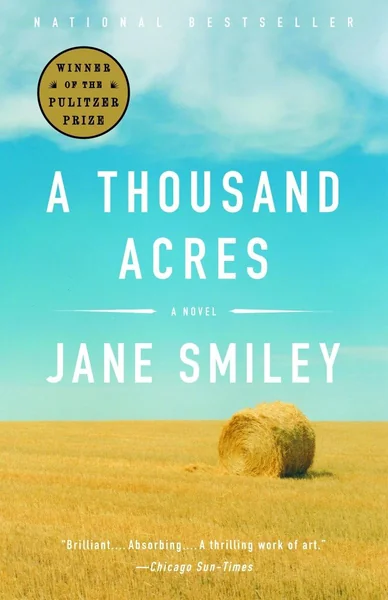
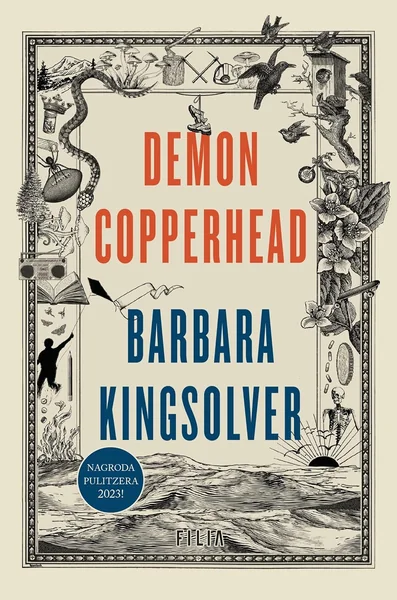
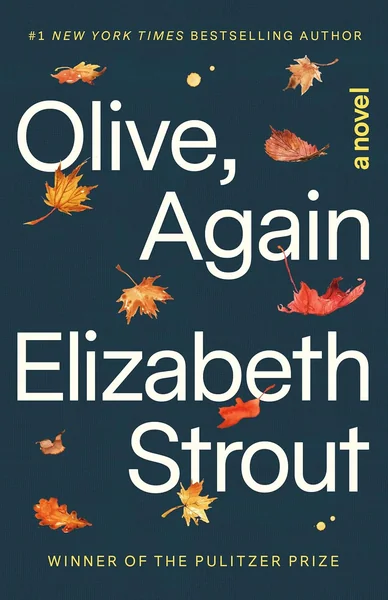
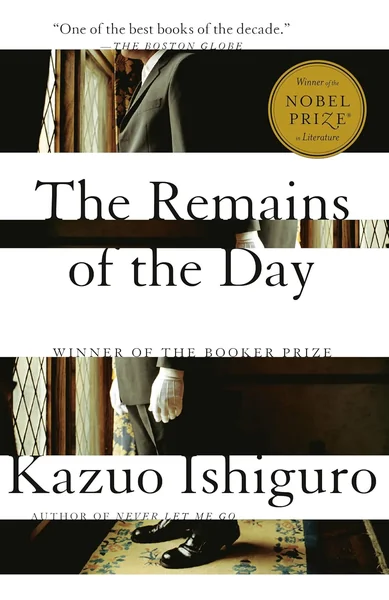
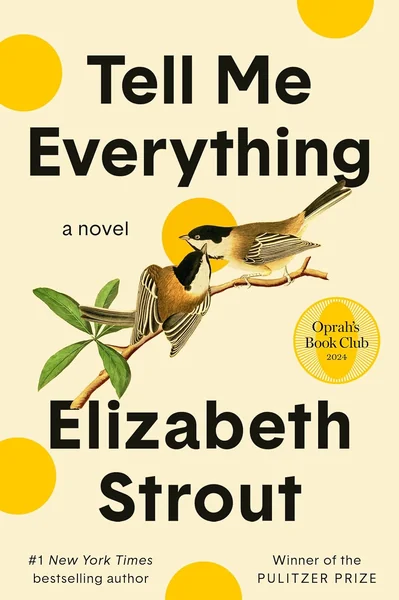
- Readers who connect with How to Read a Book's emotionally precise, community-rooted literary fiction will find strong company in several titles on LuvemBooks. Elizabeth Strout's Olive Kitteridge and Olive, Again offer the same small-town Maine grounding and morally complex character work, while Strout's Tell Me Everything shares the novel's focus on difficult human entanglements handled with compassion. Jane Smiley's A Thousand Acres brings similarly serious moral stakes and complex family dynamics, and Barbara Kingsolver's Demon Copperhead demonstrates the same commitment to rendering a specific, underserved community with unflinching empathy. Kazuo Ishiguro's The Remains of the Day is another touchstone for readers drawn to quiet, interior-driven fiction built around what is left unsaid and unresolved.
- Who should read this?
- How to Read a Book is best suited to readers who favor quiet, character-driven literary fiction over plot-driven narratives — particularly those drawn to stories set in specific, richly rendered communities like small-town Maine. It is an especially strong fit for book-club communities, fans of Monica Wood's earlier work (such as The One-in-a-Million Boy), and anyone who responds to fiction that takes seriously the question of what forgiveness actually costs and what it actually heals. Readers who prefer sustained moral ambiguity without compassionate resolution, or who need strong plot momentum, may find it less satisfying.
- What are the main themes?
- At its core, How to Read a Book explores forgiveness, redemption, and the transformational power of storytelling — but it treats these as morally costly rather than easy. The novel layers in complex family dynamics and grief through the relationship between Frank (the widower), Violet (the offender), and Harriet (the improbable bridge between them). The prison book club within the story functions as a thematic argument in itself: Harriet's method of teaching readers to engage with characters they find unlikeable mirrors the novel's invitation to extend empathy across difficult moral terrain. Edgar Lee Masters's Spoon River Anthology, with its verse epitaphs for the dead, is the group's key text — a pointed choice given the novel's preoccupation with how the dead continue to shape the living.
- Is this a good book club pick?
- How to Read a Book is among the more naturally book-club-friendly novels in recent literary fiction. Commentary gathered at forthejoyofbooks.com specifically notes that the novel rewards deep-dive discussion, with its layered character relationships and ethical questions generating substantial conversational material. The central dilemma — whether Harriet should disclose Frank's identity to Violet, or Violet's presence to Frank — is precisely the kind of question that sustains a long group conversation, and the novel's interest in how a book club itself builds empathy across difference gives reading groups a compelling meta-level to discuss.
- How does this compare to Wood's other books?
- Monica Wood is the award-winning author of The One-in-a-Million Boy as well as works in memoir and playwriting — a versatile career built on emotionally precise character work. How to Read a Book is consistent with that reputation but is described as more deliberately contained in scope than her earlier fiction; readers arriving with expectations shaped by The One-in-a-Million Boy may need to recalibrate for a story with a tighter, more interior focus. The novel's moral seriousness and its grounding in a specific Maine community are hallmarks readers of her earlier work will recognize.
Summarize this book
Follow up
Synthesized from verified book data & published reviews · How we review
Press Enter to ask. Answers come from our editorial Q&A — start typing to see related questions.
Age & Reading Level
Recommended age
Adult
Reading level
Adult
Content to know about
Skip if you prefer plot-driven fiction or stories that lean into sustained moral ambiguity rather than resolving it with compassion.
Editorial Review
How to Read a Book is a National Bestseller from award-winning author Monica Wood, published by Mariner Books in May 2024. Set against the backdrop of a small-town bookstore and a women's prison near Portland, Maine, the novel follows retired English teacher Harriet, whose prison book club brings her into the orbit of Violet — an inmate convicted of killing a woman in a drunk-driving accident — and Frank, the bookstore's handyman, who was married to Violet's victim.…
Read the Full ReviewBooks like How to Read a Book
Curated picks for readers who enjoyed How to Read a Book, with our reasoning for each match.
If you liked How to Read a Book