7 min read
Share This Review
Our review
The Troop
The Troop by Nick Cutter Review: Visceral, Award-Winning Horror Survival
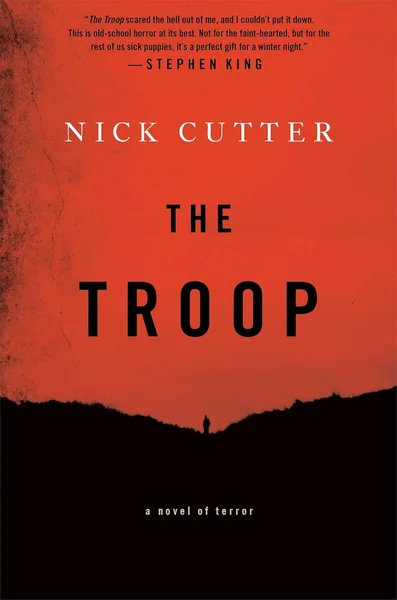
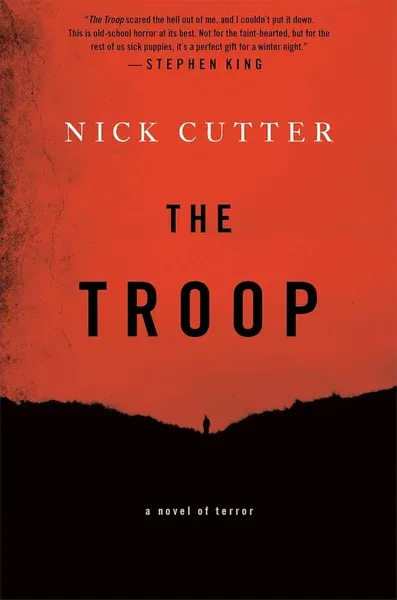
The Troop is a 2014 horror novel by Canadian author Craig Davidson, writing as Nick Cutter, that pits five Boy Scouts and their scoutmaster against a parasitic nightmare on a remote island — a debut that won the inaugural James Herbert Award for Horror Writing and drew a blurb from Stephen King himself.
LuvemBooks Verdict
Best for
Readers who want unflinching, claustrophobic survival horror — particularly those who enjoy Lord of the Flies-style social collapse combined with extreme body horror and a genuinely irresolvable situation.
Worth it if
The premise of parasitic biological terror compounded by a sealed, adult-free group sounds like exactly the kind of layered, no-exit horror you're looking for.
Skip if
If you prioritise psychological depth or thematic resonance over visceral, graphic intensity, Tor.com's Niall Alexander's critique — that the novel ultimately relies on revulsion where something deeper is needed — is worth taking seriously before you commit.
What readers & critics say
Kirkus Reviews gave the novel an enthusiastic notice, writing that "some thrillers produce shivers, others trigger goose bumps; Cutter's graphic offering will have readers jumping out of their skins," and calling it "heart-pounding." Grimdark Magazine praised Cutter's calculated word choice and disturbing imagery, concluding that The Troop is "a prime and time-honored take on body horror" that proves "Nick Cutter is intimately aware of what triggers fear."
“Cutter's graphic offering will have readers jumping out of their skins… heart-pounding. Readers may wish to tackle this novel in highly populated, well-lit areas.”
— Kirkus ReviewsAsk LuvemBooks
Was this helpful?
- Is it worth reading?
- For readers who want horror that does not pull its punches, The Troop is unquestionably worth their time. Its double-threat structure generates layered, inescapable tension that few survival horror novels sustain as effectively, and its James Herbert Award win and Stephen King endorsement reflect genuine standing in the genre. The caveat, articulated by Tor.com's Niall Alexander, is that where a book like Carrie operates on 'a whisper of something deeper,' The Troop ultimately trades in revulsion rather than deeper resonance — so readers who need psychological or elegiac weight alongside the visceral horror may find the balance tips too far toward graphic physical terror.
- Similar books
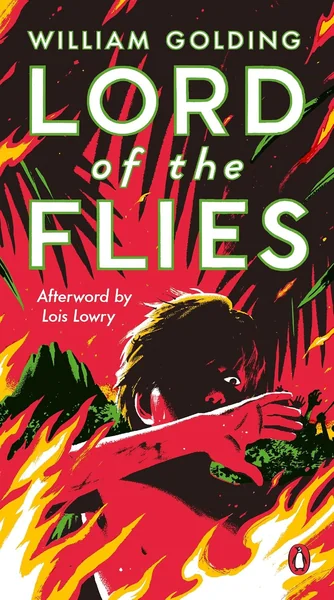
- Readers drawn to The Troop's isolated-group dynamic will find strong parallels in William Golding's Lord of the Flies, which the novel's publisher materials directly invoke — both put young people beyond the reach of adult rescue. Nick Cutter's follow-up novel The Deep offers a similar deep-dive into extreme claustrophobic horror for readers who want more from the same author. Robert McCammon's Boy's Life shares the coming-of-age backbone and the sense of boyhood threatened by something monstrous and inexplicable. For readers interested in the structural ambition of the extratextual document technique, Shirley Jackson's The Haunting of Hill House is a touchstone for psychologically layered horror that operates on dread rather than pure revulsion.
- Who should read this?
- The Troop is designed squarely for adult readers who want horror that operates at full intensity — graphic, claustrophobic, and built around a situation with almost no avenue of escape. Fans of survival horror with a biological or body-horror dimension will find it operating at the top of that register, and readers who enjoyed the isolated-group dynamics of Lord of the Flies will find the structural parallel meaningful. Those who prioritise psychological complexity or emotional resonance over visceral intensity, or who have a low tolerance for extreme physical horror, should approach with calibrated expectations — Tor.com's Niall Alexander specifically argued the novel 'must make do with revulsion' where a deeper register might have been possible.
- About Nick Cutter
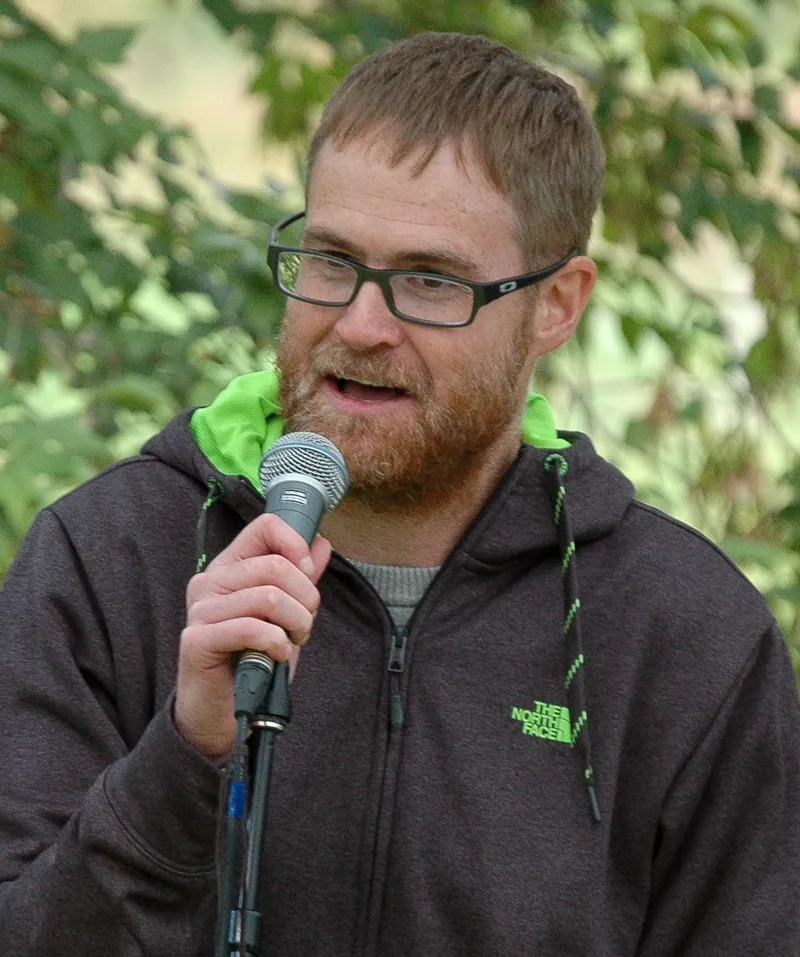
- Craig Davidson is a Canadian author of short stories and novels, who has published work under both his own name and the pen names Patrick Lestewka and Nick Cutter. The Troop is published under the Nick Cutter pen name.
- Tell me about the adaptation
- The Troop has been in development for a film adaptation, as noted in publisher materials referenced in LuvemBooks' review. Specific details about the production status, cast, or release timeline are not confirmed in the current review record.
- What are the main themes?
- The Troop works primarily through the theme of social order under extreme pressure — five scouts with sharply differentiated roles (Kent's dominance, Newt's intellect, Max's decency) are stripped of adult protection and forced into a compressed social dynamic. Alongside this Lord of the Flies-adjacent collapse, the novel engages with biological horror and bodily vulnerability through its tapeworm outbreak. LuvemBooks' review notes that critics like Tor.com's Niall Alexander have argued the novel stops short of deeper psychological or elegiac resonance, ultimately privileging physical revulsion over thematic complexity.
Summarize this book
Follow up
Synthesized from verified book data & published reviews · How we review
What would you like to know about The Troop?
Answers come from our editorial notes on this book. If we haven't covered something, we'll say so.
Readers often ask
Our Review
We review the evidence: published reviews and reader verdicts, gathered and weighed with AI assistance and edited by LuvemBooks, rather than one reader's first-hand take.
What the Novel Is and What Happens
Significance and Place in the Genre
Strengths: Premise, Structure, and Character Design
Genuine Limitations: Character Depth and the Revulsion Question
Who This Book Is For
Sources & Further Reading
The key facts and claims in this review are grounded in the retrieved, verified sources listed below.
- Cited in this review
- 1
- 2
- Further reading
- 3
en.wikipedia.org
- 4
scariesthings.com
- 5
brettmilam.com
- 6
baddiebookreviews.com
- 7
- 8
grimdarkmagazine.com
- 9
whatisquinnreading.com
- 10
- 11
tvtropes.org
- 12
simonandschuster.com
- 13
Kirkus Reviews
Age & Reading Level
Our age band
Adult
Our age band groups books for browsing; it isn't an age a review gave.
Tropes
From how readers describe it, not our own reading.
3 content notes · who it suits
Content to know about
Best for: Adults / mature 17+ — graphic biological horror and on-page violence make this unsuitable for younger readers.
Skip if you want psychological or elegiac depth to match the visceral horror, rather than extreme physical revulsion as the dominant register.
Reader reviews
Be one of the first readers to answer.
Read it? Was it right for you?
Books like The Troop
Curated picks for readers who enjoyed The Troop, with our reasoning for each match.
If you liked The Troop