It's Never Too Late: A Memoir – The Inspiring Biography of Marla Gibbs
by Marla Gibbs
At a glance
LuvemBooks Verdict
Best for: Fans of classic-era Black television — particularly The Jeffersons and 227 — and anyone drawn to late-bloomer stories of persistence, who will find both the behind-the-scenes Hollywood history and Gibbs's unfiltered personal voice genuinely rewarding.
Worth it? Skip it? Read the full verdict →Ask LuvemBooks
Was this helpful?
- Is it worth reading?
- For readers drawn to personality-driven memoirs and late-bloomer stories, the book delivers. Publishers Weekly calls it 'funny, moving, and more than a little inspiring,' and Gibbs's voice is its greatest asset — lines like her description of her Hollywood Walk of Fame star ('Yes, I am there between Mahalia Jackson and Snoop Dogg, right where I belong. Between the Godly and the street, cause I'm a spiritual gangsta!') demonstrate the combination of humor, self-awareness, and earned confidence that keeps the memoir's inspirational register from feeling generic. The honest caveat is the structure: Kirkus Reviews flags an unclear timeline and frequent digressions, calling it 'a meandering read,' so readers who require narrative tidiness may find the book more rewarding in smaller sittings than in long stretches.
- Similar books
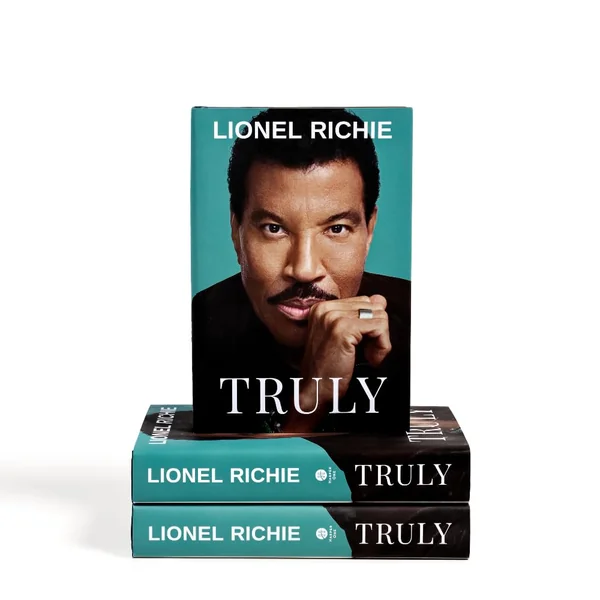
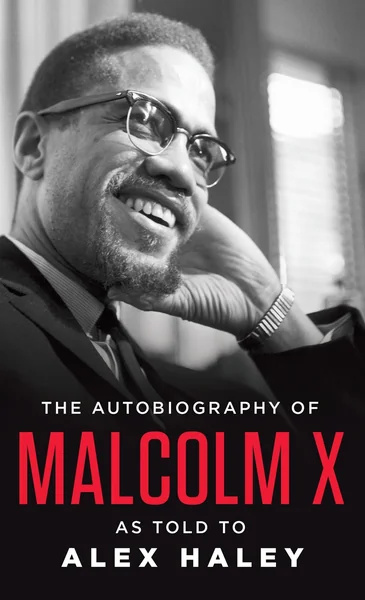
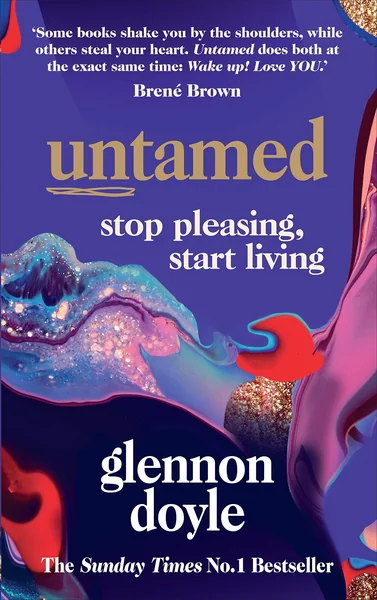
- Readers who connect with Gibbs's frank, personality-driven memoir may enjoy Lionel Richie's Truly: An Inspirational Journey Through the Life of Lionel Richie, another celebrity memoir rooted in decades of show-business perseverance. Matthew Perry's Friends, Lovers and the Big Terrible Thing offers a similarly unfiltered, voice-driven account of fame and personal struggle. For memoirs built around themes of resilience and self-reinvention beyond the entertainment world, Glennon Doyle's Untamed and Eddie Jaku's The Happiest Man on Earth both share the 'it's never too late' spirit in very different contexts. The Autobiography of Malcolm X, also rooted in the Black American experience and the fight for dignity and recognition, provides powerful historical and cultural resonance alongside Gibbs's story.
- Who should read this?
- The book is best suited to pop-culture aficionados with affection for classic-era television, particularly fans of The Jeffersons and 227, who will find the behind-the-scenes material — including the cast's negotiation for fair pay — especially rewarding. Beyond the TV history, it speaks to anyone drawn to late-reinvention stories: Gibbs's account of building a career against sustained personal hardship is designed, as bookreporter.com frames it, to resonate with 'aspiring artists, entrepreneurs, and entertainment fans.' Readers who are most at home with loosely structured, personality-first memoirs will get the most from the book; those who require strict chronological narrative tidiness are the most likely to find it frustrating.
- About Marla Gibbs
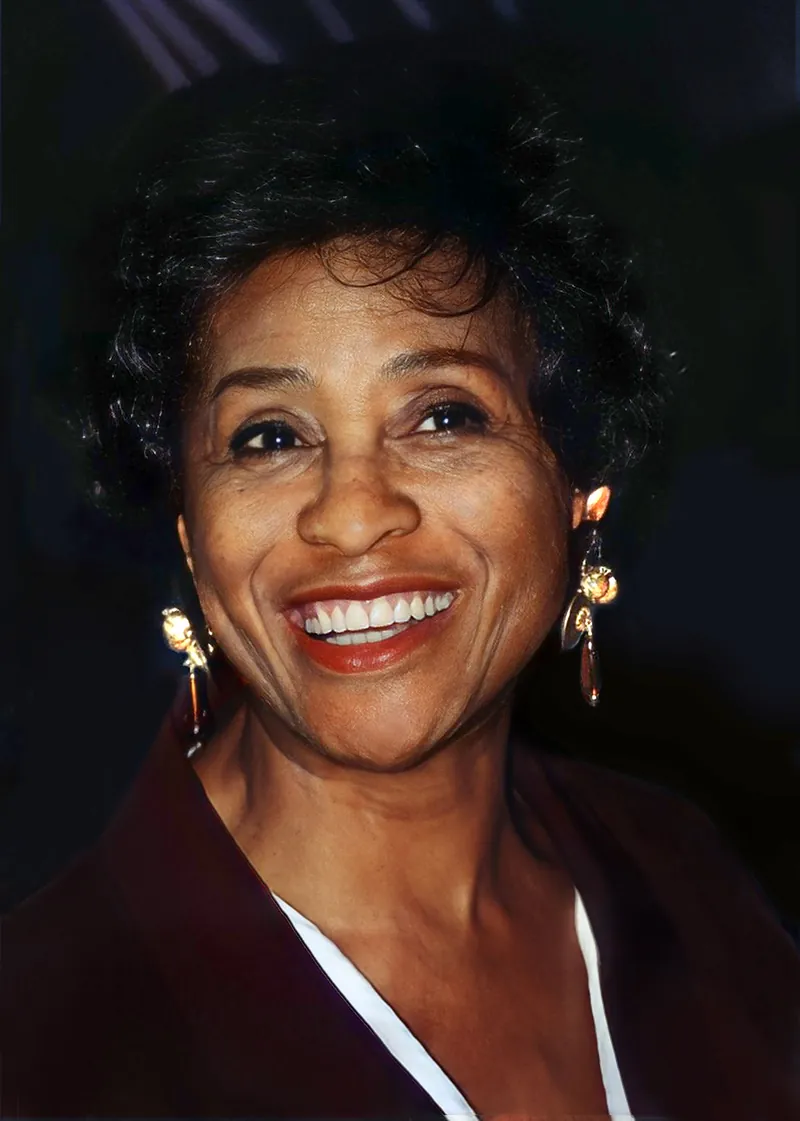
- Marla Gibbs is an American actress, singer, comedian, writer, and television producer whose career spans seven decades.
- What are the main themes?
- The memoir's central theme is persistence across adversity — Gibbs frames her story around the idea that it is never too late to build the life and career you want, a thesis grounded in her not landing her signature role until age 44. Closely interwoven themes include the fight for equitable treatment as a Black woman in Hollywood (anchored by the account of cast negotiations for fair pay on The Jeffersons), the role of faith in surviving personal hardship (including a brain aneurysm and a stroke), and the relationship between humor and resilience — Gibbs's sharp, self-aware wit is, per Kirkus Reviews, one of the memoir's most consistent assets.
- How does the book open?
- The memoir opens with a striking framing device: Publishers Weekly notes that the action begins at the 2025 American Black Film Festival Honors, where Gibbs, at 93, interrupted her own legacy award acceptance speech to tell the room, 'If you have some projects for me, my agents are standing right over there' — a scene that immediately establishes the book's indefatigable spirit. From there, the early sections pivot to Gibbs describing her turbulent childhood in Chicago and Detroit, setting out her thesis in her own words: 'My young life was defined by circumstances and people who came into my life to set me back and knock me down, sometimes literally, before I could get on my feet for any length of time.' Kirkus Reviews notes that while this opening is attention-grabbing, the overall structure — with the childhood sections 'sandwiched' between the foreword and later chapters — reflects the memoir's tendency to prioritize energy over strict chronological linearity.
Summarize this book
Follow up
Synthesized from verified book data & published reviews · How we review
Press Enter to ask. Answers come from our editorial Q&A — start typing to see related questions.
Age & Reading Level
Recommended age
Adult
Reading level
Adult
3 content notes · who it suits
Content to know about
Best for: Adults — the memoir includes accounts of childhood sexual assault, an abusive marriage, and serious health crises; the subject matter and conversational depth are oriented toward mature readers.
Skip if you want a tightly structured, chronological memoir with a clearly shaped narrative arc.
Editorial Review
Marla Gibbs's memoir, written with contributor Malaika Adero and published by Amistad/HarperCollins, traces the actress's journey from a turbulent Chicago childhood to decades of Hollywood stardom — a frank, personality-driven account that is, per Publishers Weekly, "funny, moving, and more than a little inspiring," even as Kirkus Reviews notes its structural looseness.
Read the Full ReviewBooks like It's Never Too Late
Curated picks for readers who enjoyed It's Never Too Late, with our reasoning for each match.
If you liked It's Never Too Late