At a glance

LuvemBooks Verdict
Best for: Homeowners and renters who want a personality-driven, room-by-room framework for decorating that begins with self-assessment and personal storytelling rather than prescriptive rules — especially those with a specific space or renovation project already in mind.
Worth it? Skip it? Read the full verdict →Preview the book
Ask LuvemBooks
Was this helpful?
- Is it worth reading?
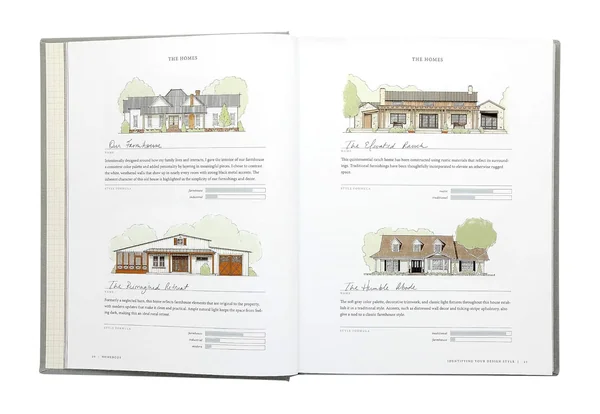
- For readers with a real room or renovation project in hand, Homebody earns its reputation — its room-by-room structure, troubleshooting pages, and fold-out planning section set it apart from purely inspirational coffee-table books. The guide has maintained a broad readership since its 2018 release, with reader accounts on StoryGraph describing it as a useful practical framework even for those who came to it with no prior familiarity with Fixer Upper. One documented pattern worth noting: at least one reader returned the book on first encounter before finding it far more valuable upon revisiting it with a concrete renovation project in mind. Readers who approach it as a browsable visual resource without a specific design question may find the value less immediate.
- Who should read this?
- Homebody is designed for homeowners and renters who want a structured, personality-driven approach to decorating — one that begins with self-assessment rather than prescriptive rules. It is particularly well-suited to readers who have a specific room or renovation project underway, as the troubleshooting pages and fold-out planning section are where the guide's practical value is most concentrated. Fans of Joanna Gaines's work on Fixer Upper will find the book consistent with her on-screen sensibility and more detailed in instruction. Readers whose tastes run strongly toward minimalist, maximalist, or contemporary directions may find the warm, farmhouse-adjacent Magnolia aesthetic somewhat limiting.
- Similar books
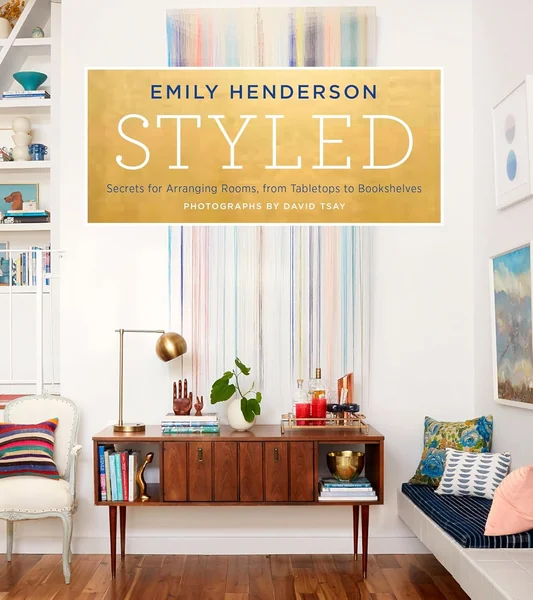
- Readers drawn to Homebody's personality-driven, story-led approach to decorating will find strong companions in the curated shelf below. Styled: Secrets for Arranging Rooms, from Tabletops to Bookshelves by Emily Henderson and Angelin Borsics offers a more technique-focused take on room arrangement and styling. Myquillyn Smith's The Nesting Place: It Doesn't Have to Be Perfect to Be Beautiful and Cozy Minimalist Home: More Style, Less Stuff share Homebody's accessible, livable philosophy for readers who want warmth without perfectionism. The Inspired Room: Simple Ideas to Love the Home You Have by Melissa Michaels similarly champions embracing and improving the space you already have. For a more urban, apartment-focused framework, Apartment Therapy: The Eight-Step Home Cure by Maxwell Ryan provides a structured approach to smaller spaces.
- About Joanna Gaines
- Joanna Lee Stevens Gaines is an American interior designer, television personality, and author.
- How does this compare to Magnolia Table?
- Homebody and Magnolia Table represent two distinct sides of Joanna Gaines's output — Homebody is an interior design guide structured around room-by-room decoration and personal style development, while Magnolia Table (co-authored with Marah Stets) is a cookbook rooted in Gaines's approach to food and family. Readers who have enjoyed one as a window into the Magnolia world may find the other a natural companion, but the two books serve entirely different practical purposes. LuvemBooks has reviewed both titles for readers wanting to compare them directly.
- Should I read it cover to cover?
- Homebody's room-by-room organization is specifically designed to make it a practical reference to return to at different stages of a project rather than a sequential cover-to-cover read. The troubleshooting pages and fold-out planning section at the back are most useful when a reader is actively working on a specific space, and reader accounts on StoryGraph confirm that the book's value increases significantly when approached with a concrete design question in hand. That said, the photography gives it an appeal as a browsable object even without an active project.
Summarize this book
Follow up
Synthesized from verified book data & published reviews · How we review
Press Enter to ask. Answers come from our editorial Q&A — start typing to see related questions.
Age & Reading Level
Recommended age
Adult
Reading level
Adult
who it suits
Skip if you're looking for a design guide that spans minimalist, maximalist, or strongly contemporary aesthetics beyond a warm, farmhouse-adjacent sensibility.
Editorial Review
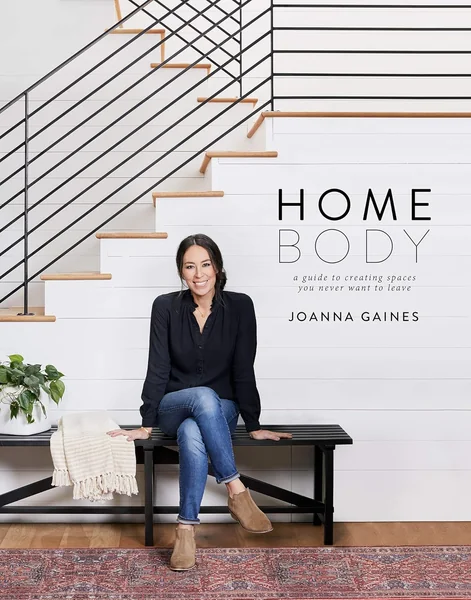
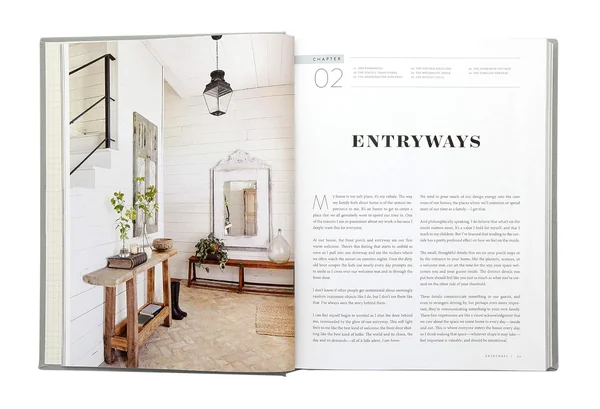
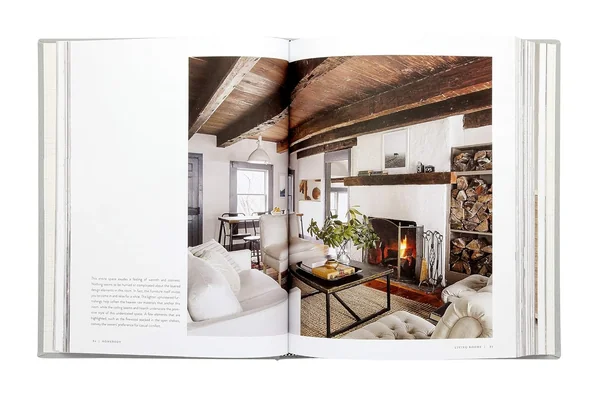
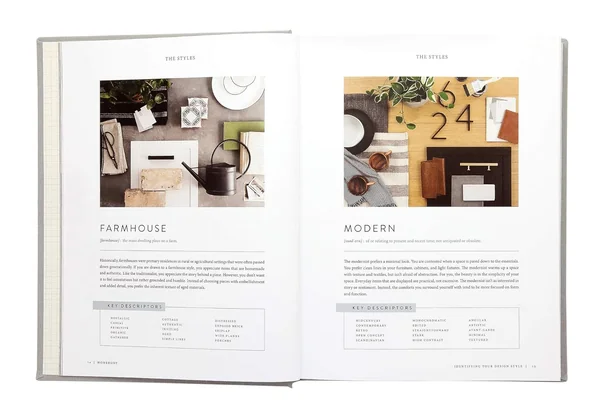
Homebody is Joanna Gaines's comprehensive interior design guide, structured room by room to help readers identify their personal style, solve common decorating problems, and create homes that feel genuinely their own — an instant #1 New York Times bestseller upon its November release from Harper Design.
Read the Full ReviewBooks like Homebody
Curated picks for readers who enjoyed Homebody, with our reasoning for each match.
If you liked Homebody