BOOKS
Published

Read Time

8 min read

Reader rating

4.3

· 10,425 Amazon ratings
reader ratings, not a LuvemBooks score
Curated & edited by

LuvemBooks Editorial

How we create our reviews →
Share This Review

The Phoenix Crown by Kate Quinn & Janie Chang Review: A Gripping Dual-Heroine Historical Novel

The Phoenix Crown is a historical novel co-authored by Kate Quinn and Janie Chang, set against the catastrophic 1906 San Francisco earthquake, following soprano Gemma Garland and Chinatown embroideress Suling as they pursue a legendary imperial crown and the villainous man who possesses it. Published by William Morrow Paperbacks in February 2024, it earned a starred review from Booklist and strong praise from Publishers Weekly and Historical Novels Review for its lush detail, dual female leads, and page-turning suspense.

LuvemBooks Verdict

Best for

Readers who love character-driven historical fiction with dual female perspectives — particularly fans of Kate Quinn's previous work or anyone drawn to stories that weave social history around race, class, and gender into a propulsive plot.

Worth it if

The layered architecture pays off handsomely if you can invest in two fully realised heroines and two distinct cultural worlds before they converge around the 1906 earthquake — the structural patience is rewarded by a thriller with genuine historical grounding and thematic depth.

Skip if

Readers who prefer a single-perspective narrative or a fast-converging plot may find the novel's densely built dual-world setup tests their patience before the two storylines collide.

Booklist awarded the novel a starred review, calling it "a powerful and surprising triumph of historical fiction" that is "lushly detailed, richly imagined, and utterly satisfying," as quoted on barnesandnoble.com; Publishers Weekly, also quoted there, praised its "strong female leads" and their examination of racism, sexism, and classism. The Washington Independent Review of Books called it "a satisfying historical mystery" that drives readers to keep turning pages late into the night.

Quinn and Chang team up for a stirring story involving opera, prized antiquities, and the 1906 San Francisco earthquake.

publishersweekly.com
Sources: Barnes & Noble, Washington Independent Review of Books, Publishers Weekly
4.3from 10,425 Amazon ratings— reader ratings, not a LuvemBooks score
In This Review
  • What Works & What Doesn't
  • What the Novel Is and What It Does
  • Two Authors, One Seamless Story
  • Strengths: Characterisation, Detail, and Social Texture
  • The Earthquake as More Than Backdrop
  • Who Will Love It — and Where It Challenges

What Works & What Doesn't

What Works
  • Starred review from Booklist, with strong notices from Publishers Weekly and Historical Novels Review
  • Two richly drawn heroines — opera soprano Gemma and Chinatown embroideress Suling — whose intersecting stories anchor the novel's social and historical themes
  • The 1906 San Francisco earthquake is woven into the plot's structure, not treated as mere backdrop, giving the suspense genuine historical grounding
  • Dual authorship by Quinn and Chang brings complementary expertise to the novel's distinct cultural worlds
What Doesn't
  • The alternating dual-perspective structure requires the novel to establish two separate worlds before the heroines converge, which may test readers who prefer a faster-converging narrative
  • The novel's layered ambitions — two leads, two cultural settings, a real disaster, and an imperial antiquity — make for a densely plotted setup that demands sustained attention early on
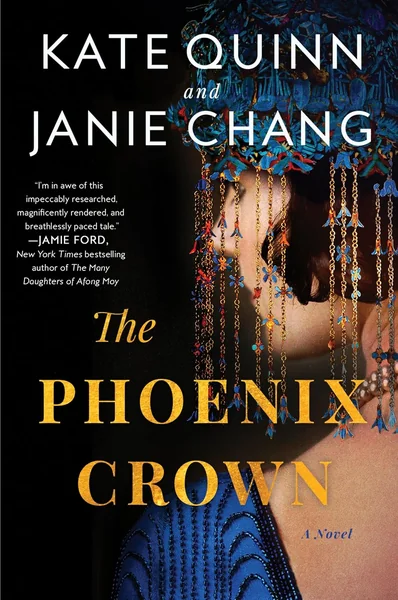
The Phoenix Crown is a richly constructed historical novel that fuses disaster narrative, antiquities intrigue, and social history into a single propulsive story — a confident collaboration between two accomplished authors of the genre.
The Phoenix Crown: A Novel by Kate Quinn, Janie Chang front cover

What the Novel Is and What It Does

Set in San Francisco on the eve and aftermath of the April 1906 earthquake, The Phoenix Crown follows two women whose lives collide around a single coveted object: the legendary crown of a Chinese empress. Gemma Garland is a soprano with the Metropolitan Opera whose career is in urgent need of revival; Suling is a Chinatown embroideress determined to break free of an arranged marriage. Both women become entangled with a powerful man who holds the crown — and with each other — just as the earthquake tears the city apart. According to the publisher's synopsis, Henry and the crown vanish in the chaos of the disaster, setting the two women on a shared pursuit that drives the novel's second half. The book's scope takes in the opulence of pre-quake San Francisco, the insular world of Chinatown, and the violence of one of America's most devastating natural disasters.
readers of historicals with strong female leads will savor this.

Two Authors, One Seamless Story

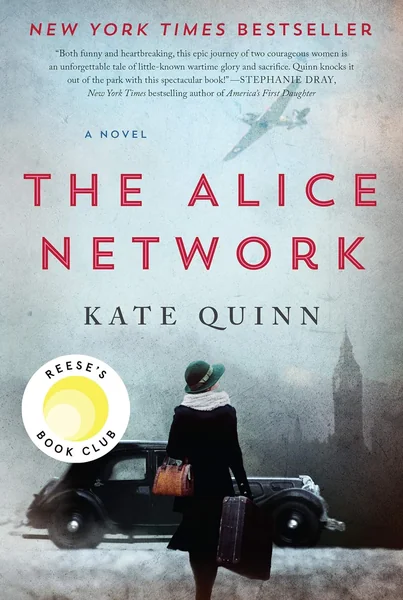
Kate Quinn brings to the collaboration a well-established track record in twentieth-century historical fiction — her prior novels include The Alice Network, The Huntress, The Rose Code, and The Diamond Eye — while Janie Chang, author of The Porcelain Moon, draws on a deep familiarity with Chinese history and diasporic experience, her novels frequently rooted in family and ancestral stories. The pairing is purposeful: Gemma's world of European opera culture and Suling's world of Chinatown craftsmanship require distinct registers, and the dual-authorship model maps naturally onto the dual-perspective structure. Critics noted that "the authors ably develop the two main characters as they discover a shared sense of independence and join in common cause while reckoning with the mixed blessings of a powerful man's patronage."

Strengths: Characterisation, Detail, and Social Texture

Critical reception has been notably strong. Booklist awarded the novel a starred review, calling it "a powerful and surprising triumph of historical fiction" that is "lushly detailed, richly imagined, and utterly satisfying." Historical Novels Review described it as "action-packed," crediting its "strong female leads" with skillfully examining racism, sexism, and classism — social forces that shaped both women's constrained circumstances long before the earthquake arrives. Suling's arc, moving from skilled artisan to someone actively claiming her own future, and Gemma's navigation of the patronage system that both sustains and imperils her career, give the novel thematic heft beyond its thriller architecture. Critical coverage concluded that "readers of historicals with strong female leads will savor this."

The Earthquake as More Than Backdrop

The 1906 San Francisco earthquake is not merely a dramatic set piece; it is structurally central to the plot, functioning as the moment that both reveals character and scrambles the power dynamics the novel has spent its first act building. The destruction — and the rampant fire that followed — strips away the city's social hierarchies and forces Gemma and Suling into a partnership that their respective worlds would otherwise have kept improbable. The novel's design places the disaster at the hinge point of the narrative, using it to accelerate the women's agency rather than simply to generate spectacle. This choice, rooted in documented historical catastrophe, gives the suspense a grounded weight distinct from purely invented conflict.

Who Will Love It — and Where It Challenges

The Phoenix Crown is squarely aimed at readers of character-driven historical fiction with dual or ensemble female perspectives — a readership that Quinn in particular has cultivated across her bibliography. Fans of historical novels that engage seriously with questions of race, class, and gender alongside their plots will find the themes substantive rather than decorative. Readers who prefer a tighter single-perspective narrative may find the alternating structure requires patience in the early chapters as both women's separate worlds are fully established before they converge. The novel's ambitions — two heroines, two cultural milieus, a real disaster, and a MacGuffin with imperial history behind it — are considerable, and some readers may feel the plotting dense in its setup phase. That said, the consensus from major review outlets points to a payoff that justifies the architecture.

Sources & Further Reading

The key facts and claims in this review are grounded in the retrieved, verified sources listed below.

  1. Cited in this review
  2. 1
  3. 2
  4. Further reading
  5. 3
  6. 4
  7. 5
  8. 6
  9. 7
  10. 8
  11. 9
  12. 10
  13. 11
  14. 12
Related Reviews

Reviews of books we picked for readers who enjoyed The Phoenix Crown.