Kate Quinn
2
Books Reviewed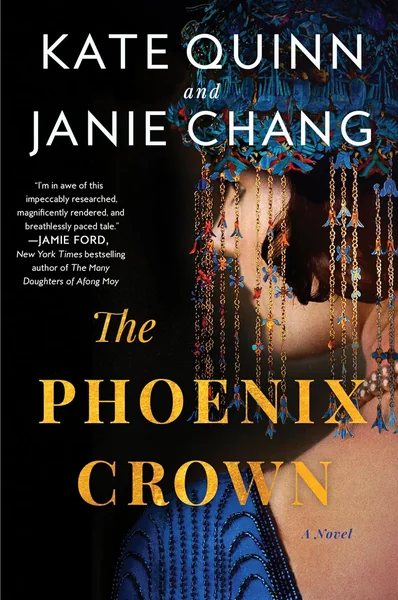
The Phoenix Crown
4.3/5
reader rating · 10,425 ratingsThe Phoenix Crown is a historical novel co-authored by Kate Quinn and Janie Chang, set against the catastrophic 1906 San Francisco earthquake, following soprano Gemma Garland and Chinatown embroideress Suling as they pursue a legendary imperial crown and the villainous man who possesses it. Published by William Morrow Paperbacks in February 2024, it earned a starred review from Booklist and strong praise from Publishers Weekly and Historical Novels Review for its lush detail, dual female leads, and page-turning suspense.
Reviewed Aug 1, 2026
The Alice Network
4.6/5
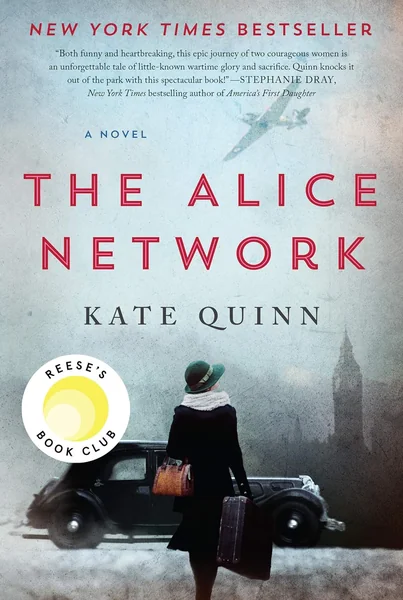
reader rating · 98,149 ratingsKate Quinn's The Alice Network is a New York Times and USA Today bestselling historical novel that weaves together two women's stories across the World Wars — a WWI spy operating in German-occupied France and a 1947 American socialite on a desperate search — grounded in the true history of a real female intelligence ring. This review is based on the book's content as described by the publisher and published critical sources, not hands-on reading.
Reviewed Jul 27, 2026
Ask LuvemBooks about Kate Quinn
- Where should I start?
- Start with The Alice Network. It's the higher-rated of the two books we've reviewed (4.6/5 reader rating from over 98,000 Amazon ratings), and its dual timeline — a WWI spy in German-occupied France and a 1947 American socialite searching for answers — gives a strong sense of how Quinn builds fiction on real history. It's also a New York Times and USA Today bestseller, which speaks to its broad appeal.
- What's their writing style?
- Based on the two books we've reviewed, Quinn writes historical fiction that anchors fictional narratives in documented events — a real WWI female intelligence ring in The Alice Network, and the catastrophic 1906 San Francisco earthquake in The Phoenix Crown. Their approach favors multiple perspectives, with The Alice Network braiding two women's stories across different eras and The Phoenix Crown following both a soprano and a Chinatown embroideress. The result is character-driven storytelling where historical settings carry real weight rather than serving as backdrop.
- Books we've reviewed
- We've reviewed 2 Kate Quinn books. The Alice Network (4.6/5 reader rating from over 98,000 Amazon ratings) is a dual-timeline novel about a WWI spy and a 1947 socialite, built on the true history of a female intelligence ring. The Phoenix Crown (4.3/5 reader rating from over 10,000 Amazon ratings), co-authored with Janie Chang, follows two women pursuing a legendary imperial crown during the 1906 San Francisco earthquake.
- How do their books compare?
- The Alice Network is the more widely read and higher rated of the two, with a 4.6/5 reader rating from nearly 100,000 Amazon ratings versus The Phoenix Crown's 4.3/5 from about 10,000. Thematically, The Alice Network spans both World Wars with an espionage focus, while The Phoenix Crown is a co-authored novel centered on the 1906 San Francisco earthquake and the hunt for a legendary crown. Both share Quinn's signature approach of weaving fictional characters into documented historical events.
- What genre do they write?
- Kate Quinn writes historical fiction. Both books we've reviewed fit the genre: The Alice Network is set across the World Wars and draws on a real female spy ring, and The Phoenix Crown unfolds during the 1906 San Francisco earthquake. Their work tends to combine period settings with suspense-driven plots.
- What should I read after The Alice Network?
- Among the books we've reviewed, The Phoenix Crown is the natural next read. It swaps the World Wars for the 1906 San Francisco earthquake but keeps the elements that define Quinn's work — dual female protagonists and fiction rooted in real history. It holds a 4.3/5 reader rating and earned a starred review from Booklist.
Who is Kate Quinn?
Follow up
Synthesized from verified book data & published reviews · How we review
Press Enter to ask. Answers come from our editorial Q&A — start typing to see related questions.
Authors Like Kate Quinn
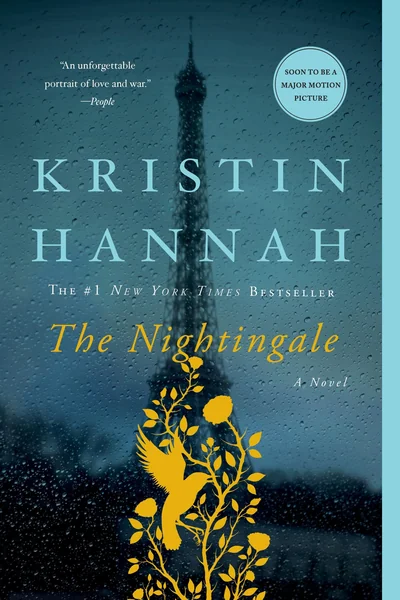
Kristin Hannah
Born in 1960, **Kristin Hannah** is an American writer with more than 20 novels.
6 books reviewed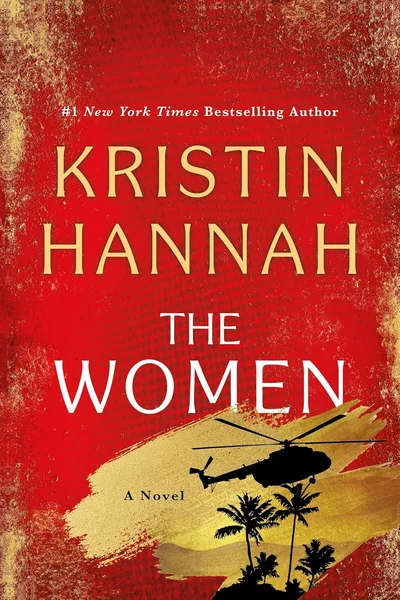


Ruta Sepetys
Ruta Sepetys is a Lithuanian-American writer of historical fiction.
1 book reviewed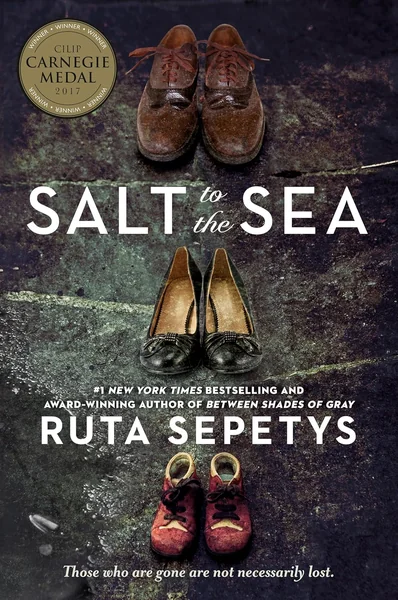
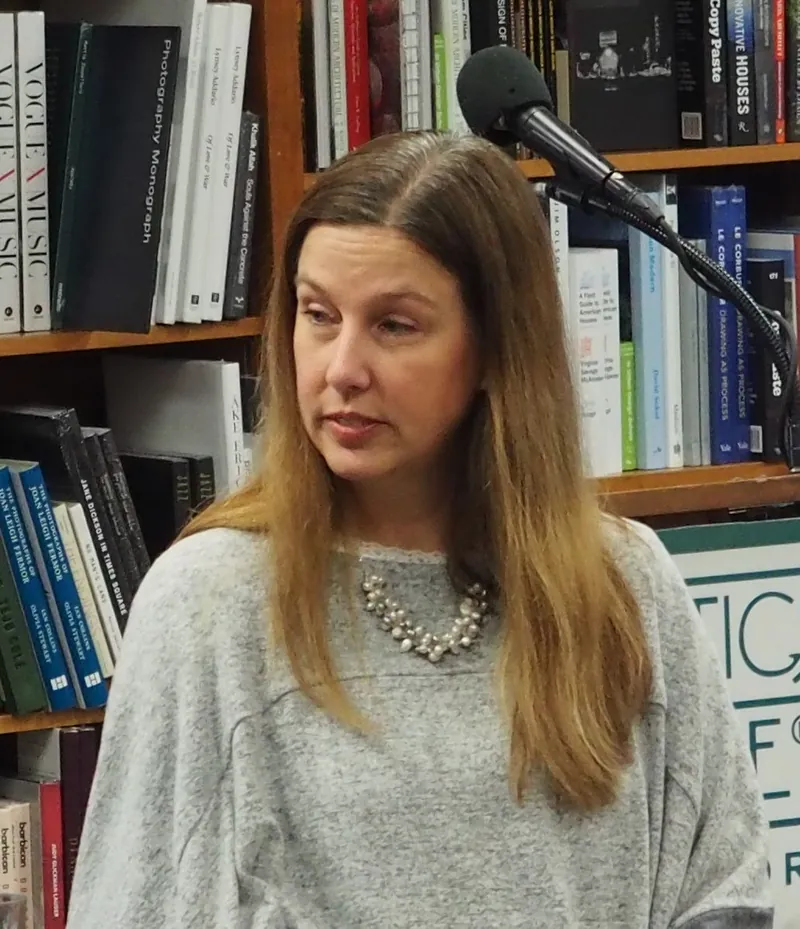
Laura Kamoie
Laura Croghan Kamoie is an American historian and author.
2 books reviewed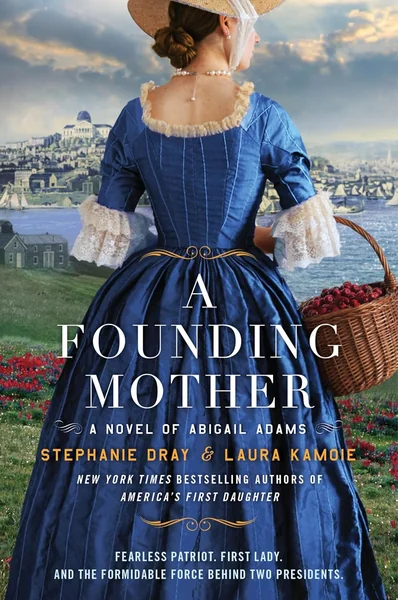
Stephanie Dray
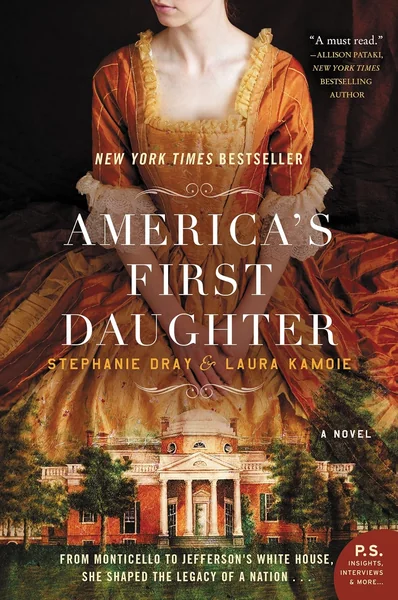
Stephanie Dray is a New York Times, Wall Street Journal, and USA Today bestselling author of historical women's fiction. Her award-winning work has been translated into many languages and tops lists for the most anticipated reads of the year. She collaborates with co-author Laura Kamoie, together writing historical novels including works centered on figures from the American founding era, such as Abigail Adams.
2 books reviewedJanie Chang
Janie Chang is a Globe and Mail bestselling author of historical fiction, born in Taiwan, who has lived in the Philippines, Iran, Thailand, New Zealand, and Canada. Many of her novels draw from family history and often include elements of fantasy. She founded Authors for Indies (2015–2017) and served on the Carol Shields Prize for Fiction Authors Committee (2021–2026), including two years as co-chair.
1 book reviewedHeather Morris
Heather Morris is a New Zealand author who lives in Australia.
1 book reviewed