8 min read
4.6
· 98,149 Amazon ratingsShare This Review
The Alice Network by Kate Quinn Review: Gripping Dual-Timeline WWI Spy Fiction
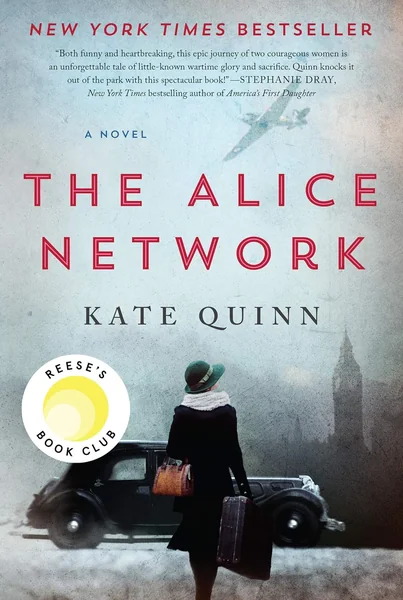
Kate Quinn's The Alice Network is a New York Times and USA Today bestselling historical novel that weaves together two women's stories across the World Wars — a WWI spy operating in German-occupied France and a 1947 American socialite on a desperate search — grounded in the true history of a real female intelligence ring. This review is based on the book's content as described by the publisher and published critical sources, not hands-on reading.
LuvemBooks Verdict
Best for
Readers drawn to character-driven historical fiction about women's roles in the World Wars, especially those who want their novels grounded in verified, little-known history rather than wartime atmosphere alone.
Worth it if
You're willing to invest in a 560-page dual-timeline structure and want both the espionage tension of WWI occupied France and the emotional aftermath of 1947 postwar Europe in a single, research-rich narrative.
Skip if
You prefer a lean, fast-moving single-perspective spy thriller — the novel's length, alternating timelines, and emphasis on historical depth over plot velocity will likely frustrate readers seeking that kind of read.
What readers & critics say
NPR described the novel as "a crackling tale of spies and suspense," praising its plot as "crackling with suspense" around two indomitable women. BookBrowse called it "a stunning, page-turner about daring, courageous women made of inner steel," and Wikipedia confirms it reached both the New York Times and USA Today bestseller lists.
“The lives of two indomitable women intertwine in a plot crackling with suspense.”
— NPRAsk LuvemBooks
Was this helpful?
- Is it worth reading?
- For readers who enjoy character-driven historical fiction, The Alice Network has a strong critical and commercial case: it is a dual New York Times and USA Today bestseller, earned Best Books of the Year recognition from critics, and drew praise from BookPage's Matthew Jackson, who named Kate Quinn "one of the best artists" of historical fiction. Stephanie Dray called the novel "an unforgettable tale of little-known wartime glory and sacrifice" and said Quinn "knocks it out of the park." The key caveat is length and structure — at 560 pages with two alternating timelines, the novel rewards patience rather than those seeking a fast, tightly plotted thriller.
- Similar books
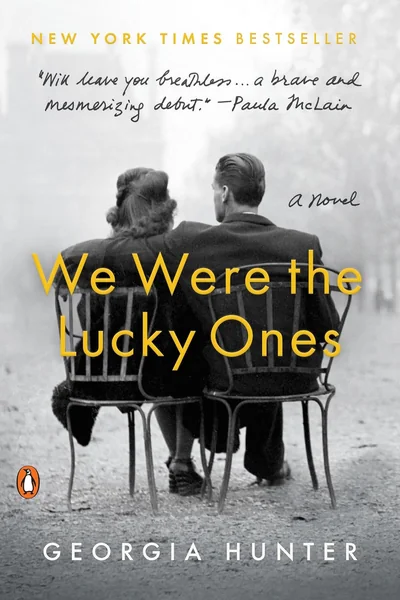
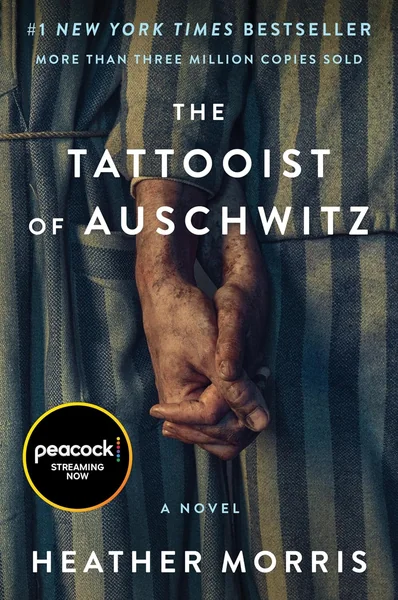
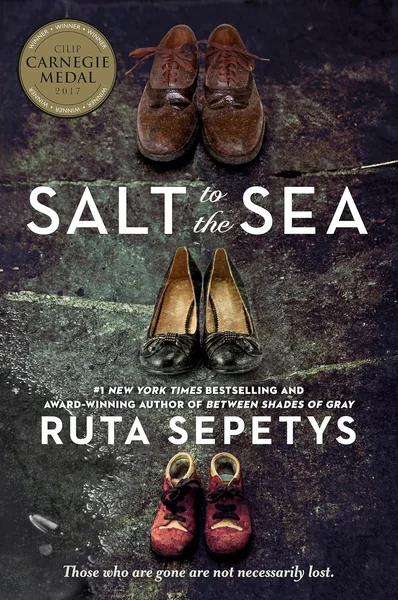
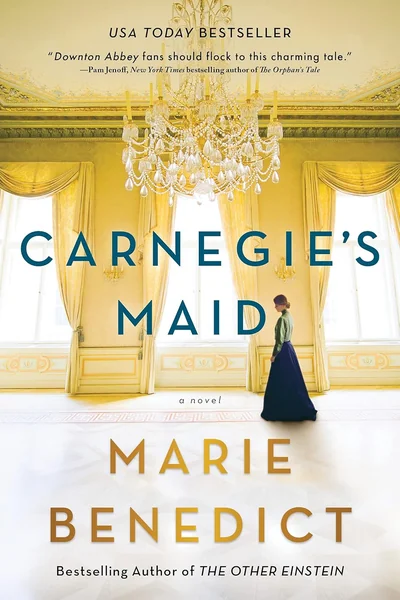
- Readers drawn to The Alice Network's blend of women's wartime stories and rigorous historical research will find strong companions among the curated titles below. We Were the Lucky Ones by Georgia Hunter and The Tattooist of Auschwitz by Heather Morris both follow ordinary people navigating extraordinary danger during World War II with deep documentary grounding. Salt to the Sea by Ruta Sepetys offers a similarly multi-perspective structure built around a lesser-known chapter of wartime history. For historical fiction centred on remarkable women navigating periods of upheaval, Carnegie's Maid by Marie Benedict and Before We Were Yours by Lisa Wingate round out the shelf — the latter pairing a dual-timeline mystery with emotional family history, much as Quinn does across her two eras.
- Who should read this?
- The Alice Network is designed squarely for fans of character-driven historical fiction — particularly readers drawn to women's stories of the World Wars. Those who appreciate novels grounded in verified history, such as the documented operations of a real intelligence ring near Lille, will find Quinn's research depth a distinctive draw. Readers who prefer lean, single-perspective espionage thrillers in the traditional mold are less likely to find it a fit, given the 560-page dual-timeline structure that prioritises emotional depth and historical fidelity over rapid-fire plot mechanics.
- What are the main themes?
- The Alice Network explores courage, betrayal, and redemption through the lens of women's wartime experience — tracing how the moral and physical dangers of espionage in occupied France reverberate decades later into the postwar world of 1947. A central preoccupation of the novel is the largely unrecognised contribution of women to WWI intelligence work: the real Alice Network operated in genuine secrecy, and Quinn uses that historical obscurity to examine what it meant for women to risk everything in roles that history has largely overlooked. Stephanie Dray's description of the book as "both funny and heartbreaking" captures how Quinn balances the weight of "wartime glory and sacrifice" against moments of levity and human connection.
- Is it a good book club pick?
- The Alice Network is a strong book club selection, offering multiple discussion angles: the verified history of the real Alice Network, the moral complexity of espionage in occupied France, and the emotional arc that links the WWI and 1947 narratives. Characters Lili, Violette, and Cameron are drawn from real historical figures, giving groups concrete threads to research and debate alongside the novel's fictional drama. The 560-page length means clubs should build in sufficient reading time, and the dual-timeline structure rewards groups who compare how each storyline develops before they converge.
- Where should I start with Kate Quinn?
- For readers new to Kate Quinn, The Alice Network is widely regarded as an ideal entry point: it is her most commercially prominent novel, holding dual New York Times and USA Today bestseller status, and it showcases the research-grounded, dual-timeline approach that defines her historical fiction. BookPage's Matthew Jackson named Quinn "one of the best artists" of historical fiction specifically in the context of this novel's reception. Readers who respond well to The Alice Network's WWI intelligence setting and women-centred narrative can follow it with The Huntress or The Rose Code, both of which apply similar techniques to WWII-era stories.
Summarize this book
Follow up
Synthesized from verified book data & published reviews · How we review
Press Enter to ask. Answers come from our editorial Q&A — start typing to see related questions.
Age & Reading Level
Recommended age
Adult
Reading level
Adult
2 content notes · who it suits
Content to know about
Best for: Adults — the novel's espionage setting, wartime moral complexity, and emotional weight are best suited to mature adult readers.
Skip if you want a fast-paced, single-thread espionage thriller rather than a character-driven, research-rich dual-timeline narrative.
Our Review
What the Novel Contains and How It Is Structured
Historical Grounding: A Little-Known True Story
Reception and Critical Standing
What Quinn Does Well as a Storyteller
Who This Book Is For — and Where It Demands Commitment
Sources & Further Reading
The key facts and claims in this review are grounded in the retrieved, verified sources listed below.
- Cited in this review
- 1
en.wikipedia.org
- 2
- Further reading
- 3
katequinnauthor.com
- 4
- 5
- 6
Books like The Alice Network
Curated picks for readers who enjoyed The Alice Network, with our reasoning for each match.
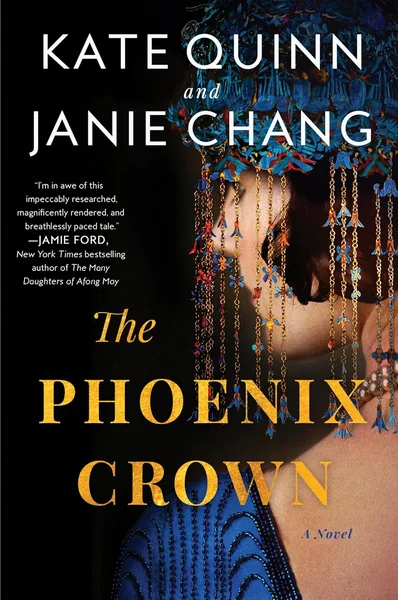
If you liked The Alice Network