7 min read
Share This Review
Our review
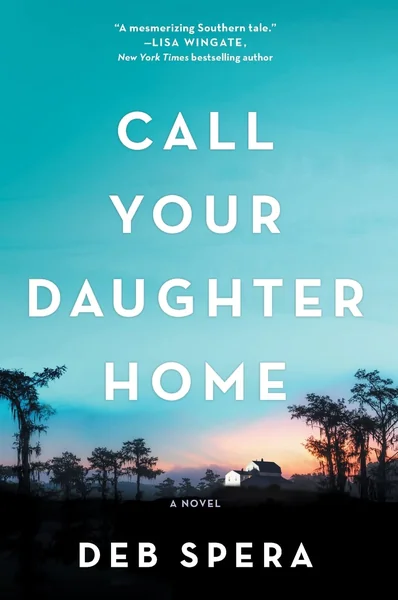
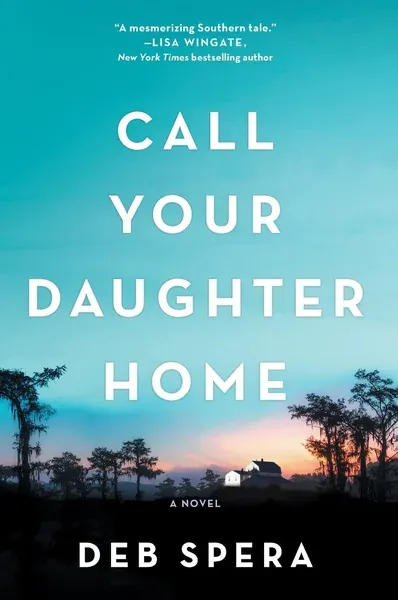
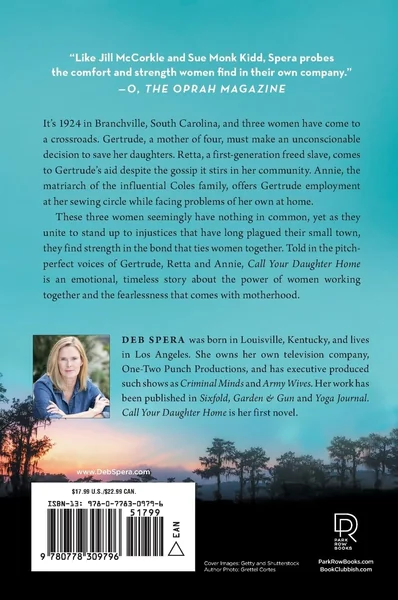
Call Your Daughter Home
Call Your Daughter Home by Deb Spera Review: A Gritty Southern Trio
Set in 1924 South Carolina, this novel follows three women navigating poverty and abusive marriages. Critics praise Deb Spera's vivid character voices and atmospheric rural setting, though some note the plot overwhelms the narrative. It delivers a powerful story of solidarity for Southern fiction readers.
LuvemBooks Verdict
Best for
Best for readers seeking a gritty, cinematic historical saga that vividly reconstructs the rural South while delivering a ferociously moving portrait of female solidarity and mother-daughter bonds.
Worth it if
Worth reading if you enjoy sweeping family sagas driven by high-stakes interpersonal drama and atmospheric Southern settings, even when the plot leans heavily into melodrama.
Skip if
Skip it if you prefer strictly restrained historical narratives with subtle character development over stacked crises that occasionally verge on melodrama.
Where reviewers agree and split
Readers rate it 4.5 on Amazon. The reviews we read that discuss it in depth agree:
Only kirkusreviews.com and bookmarks.reviews discuss its plot: both note the plot sometimes overloads with stacked crises.
Who says what
Plot
“Plot can sometimes veer toward melodrama and even overload”
— Kirkus Reviews · Press review“Plot can sometimes veer toward melodrama and even overload”
— bookmarks.reviews · Book blogWhat readers & critics say
Kirkus Reviews commends the convincing characters and vivid portrait of the rural South, though it notes the plot occasionally overloads with stacked crises. BookBrowse positions the novel as a ferociously moving story of motherhood and justice, while Bookmarks.reviews highlights the atmospheric setting and deeply human interactions despite some iffy dialogue.
“sure-footed depictions of women’s friendships and mother-daughter relationships are the book’s strengths.”
— Kirkus Reviews“draws on those roots in her first work of fiction”
— NPRAsk LuvemBooks
Was this helpful?
- Is it worth reading?
- It is worth reading for fans of atmospheric Southern fiction. LuvemBooks notes that the book delivers a powerful emotional core and convincing character voices, even when the plot leans heavily into melodrama. Readers who enjoy gritty, cinematic pacing and high-stakes interpersonal drama will likely find the journey rewarding.
- Similar books
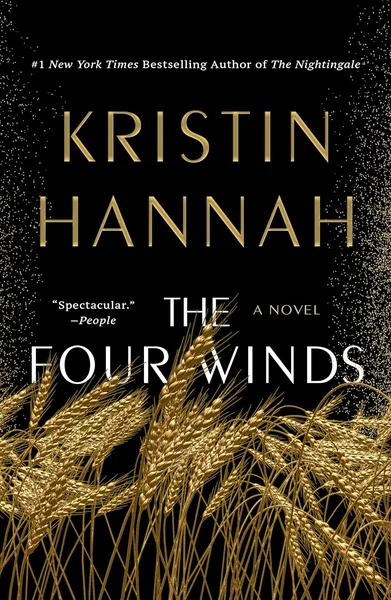
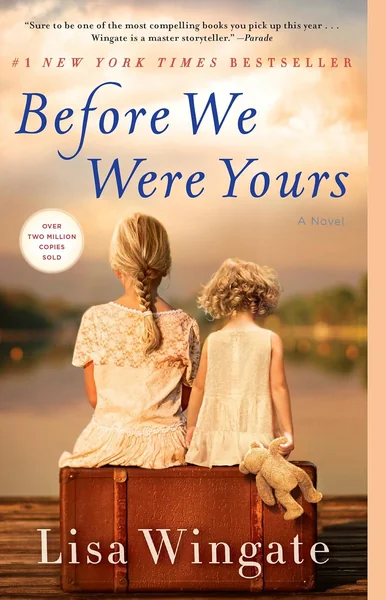
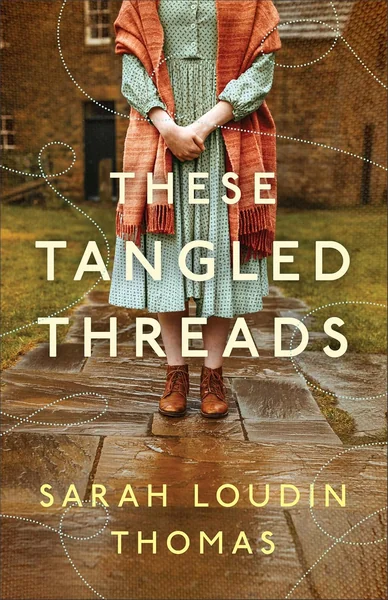
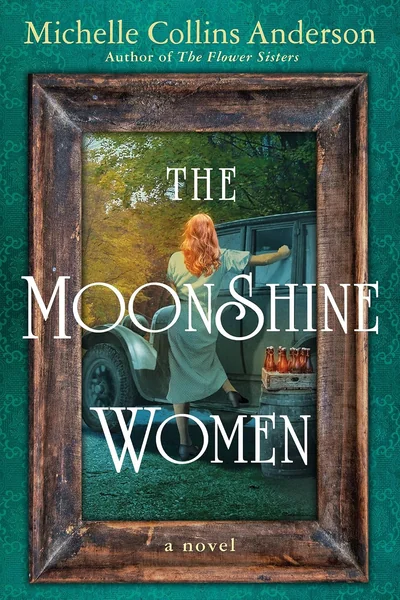
- Readers drawn to the gritty female characters and Southern setting will appreciate The Four Winds by Kristin Hannah and Before We Were Yours by Lisa Wingate. The Moonshine Women by Michelle Collins Anderson and These Tangled Threads by Sarah Loudin Thomas also explore resilient women facing historical hardship and family bonds.
- Who should read this?
- This novel is written for adult readers who enjoy atmospheric Southern settings. It particularly suits audiences looking for intimate stories and mother-daughter bonds. Readers who prefer quiet, character-driven stories without constant external catastrophes may find the narrative exhausting.
- How does the pacing feel?
- The novel features cinematic pacing that drives the narrative forward with compelling emotional stakes, a trait credited to the author’s television background. However, critics note that this television-influenced structure occasionally prioritizes drama over character development. The plot stacks multiple crises, including a hurricane, which some find exhausting while others find compelling.
- What are the main themes?
- The novel explores poverty, abusive marriages, and the rigid social structures of the 1920s South, particularly regarding race and class. A central theme is mutual support, showing how the women’s bond provides strength against systemic injustices. The complex dynamics of mother-daughter relationships anchor the narrative, as each protagonist navigates her own fraught connection to her daughters.
- Is this a good book club pick?
- Yes, the novel’s exploration of family, class, and race offers rich discussion points for book clubs. The contrasting perspectives on marriage, motherhood, and survival provide multiple angles for debate. The heavy reliance on melodrama and dramatic events may also spark conversation about narrative structure and genre tropes.
- What historical events does it feature?
- Set in 1924 Branchville, South Carolina, the story is deeply rooted in the aftermath of a ruinous agricultural disaster that devastated the local economy. The narrative also weaves in a devastating hurricane as a pivotal plot driver. These events ground the characters' struggles in the harsh realities of the early Depression era.
Summarize this book
Follow up
Synthesized from verified book data & published reviews · How we review
What would you like to know about Call Your Daughter Home?
Answers come from our editorial notes on this book. If we haven't covered something, we'll say so.
Readers often ask
Our Review
We review the evidence: published critics, book bloggers and reader verdicts, gathered and weighed with AI assistance and edited by LuvemBooks, rather than one reader's first-hand take.
The Premise and the Women of Branchville
The Historical Landscape and Narrative Style
Strengths: Character Voices and Emotional Resilience
Limitations: Melodrama and Dialect
Is It Worth Reading?
Sources & Further Reading
The key facts and claims in this review are grounded in the retrieved, verified sources listed below.
- Cited in this review
- 1
- Further reading
- 2
kirkusreviews.com
- 3
- 4
debspera.com
- 5
- 6
- 7
books.google.com
Age & Reading Level
Our age band
Adult
Our age band groups books for browsing; it isn't an age a review gave.
4 content notes · who it suits
Content to know about
Skip if you prefer strictly restrained historical narratives with subtle character development over stacked crises and pulpy plotlines
Reader reviews
No LuvemBooks readers have answered yet.
Read it? Was it right for you?
Books like Call Your Daughter Home
Curated picks for readers who enjoyed Call Your Daughter Home, with our reasoning for each match.
If you liked Call Your Daughter Home