7 min read
4.7
· 30,126 Amazon ratingsShare This Review

Our review
The Calamity Club
The Calamity Club by Kathryn Stockett Review: A Gripping, Plot-Driven Depression-Era Novel
Seventeen years after the phenomenon of The Help, Kathryn Stockett returns with The Calamity Club, a sprawling, plot-driven novel set in Depression-era Mississippi that brings together an unlikely coalition of spinsters, sex workers, and orphans — and confirms, per The New York Times, that Stockett remains a master of the set piece.
LuvemBooks Verdict
Best for
Readers who love immersive, character-driven historical fiction set in Depression-era America and want a sweeping, plot-propelled ensemble story centred on marginalized women — particularly fans of The Help or novels like The Four Winds and Hang the Moon.
Worth it if
You want a big, emotionally invested Southern saga with a richly specific sense of place and time, darkly comic set pieces, and a dual-narrator structure that earns its 638-page length through momentum and craft.
Skip if
You're seeking formally inventive or philosophically ambitious literary fiction — critics are candid that this is not a novel of ideas and not the least bit experimental, so readers with that appetite will likely find it conventional.
What readers & critics say
The New York Times describes the novel as "prodigious" and "all about plot," crediting Stockett as a master of the set piece while being equally candid that it is "not a so-called novel of ideas" and "not the least bit experimental or formally inventive" (nytimes.com). Kirkus Reviews calls it an "engaging follow-up" that fans of Stockett's bestselling debut will love, while reader-facing coverage at The Bookish Bulletin and Dear Strange Things Substack praises the writing as flawless and absorbing, noting its deliberate shift toward poverty and marginalized white women as a conscious departure from the dynamics of The Help (kirkusreviews.com; thebookishbulletin.com; dearstrangethings.substack.com).
“It's all about plot, baby, and that plot, for the most part, delivers — Stockett's prodigious second novel.”
— The New York TimesAsk LuvemBooks
Was this helpful?
- Is it worth reading?
- For readers drawn to immersive, plot-driven historical fiction set in a richly specific American time and place, The Calamity Club delivers exactly what it promises. The New York Times credits Stockett as 'a master of the set piece,' and points to the club's painfully awkward grand opening and a later escalating confrontation between Meg's adoptive parents as standout moments of precisely calibrated dark comedy and emotional tension. The honest caveat is that the novel is, by critical consensus, 'not the least bit experimental or formally inventive' — readers seeking structural or philosophical ambition will not find it here. At 638 pages, it rewards sustained investment from those who want story and character above all.
- Similar books
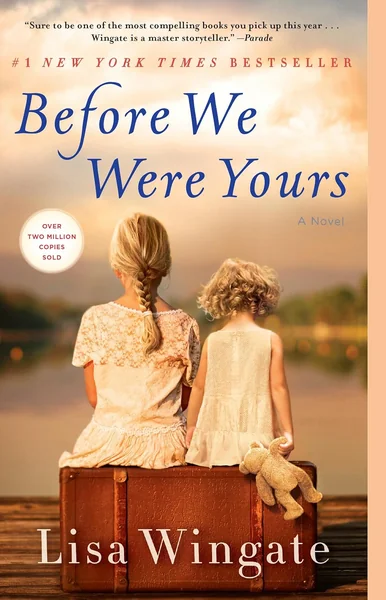
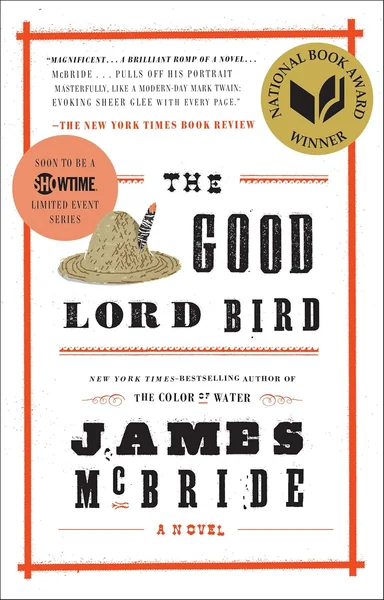
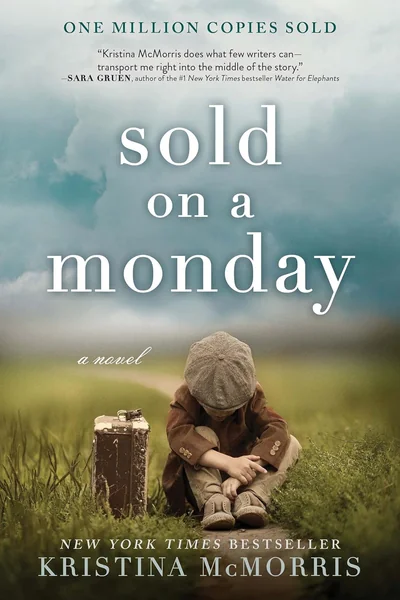
- Readers drawn to The Calamity Club will find strong company in several titles curated below. Kristin Hannah's The Four Winds is the closest tonal match — Depression-era survival, a specific American landscape, and an emotionally immersive plot-driven pace. Lisa Wingate's Before We Were Yours shares the focus on marginalized women, found community, and the human cost of the 1930s. Sold on a Monday by Kristina McMorris is another Depression-era novel built around characters on society's edges. For readers who want the Stockett experience of ensemble voices in the Deep South, Alice Walker's The Color Purple and James McBride's The Good Lord Bird offer different but complementary takes on Southern American history told through vivid, character-driven narration.
- Who should read this?
- The Calamity Club is designed for adult readers of immersive, character-driven historical fiction — particularly those with an appetite for the specific texture of Depression-era America and the Deep South. Fans of Kristin Hannah's The Four Winds, Lisa Wingate's Before We Were Yours, and readers who followed Stockett through The Help are the core audience. Those who want formal literary experimentation or a book driven by ideas rather than plot momentum will likely find it unsatisfying. The novel's 638-page scale also rewards patient readers prepared to commit to a sprawling ensemble.
- Is it a good book club pick?
- The Calamity Club is a strong book club candidate, particularly for groups interested in Depression-era historical fiction or in engaging with Stockett's authorial evolution since The Help. The novel's deliberate shift — from the Black domestic workers of 1960s Jackson to the dispossessed white women of 1933 Mississippi — and the ongoing critical conversation about what that shift does and doesn't resolve, give clubs substantive territory well beyond plot. The dual-narrator structure with Meg and Birdie also lends itself naturally to divided readings and discussion of perspective. At 638 pages, clubs should plan adequate reading time.
- Any content warnings?
- The Calamity Club features characters who are sex workers and depicts the economic desperation of Depression-era Mississippi, including themes of poverty, displacement, and social marginalization. The ensemble includes orphans and dispossessed women navigating survival in conditions of acute hardship. Readers sensitive to portrayals of economic devastation, sex work in a historical context, or fraught family dynamics — the review specifically highlights an escalating confrontation involving Meg's adoptive parents — should be aware of these elements. The novel is oriented toward adult readers.
- Why did it take 17 years for a new book?
- The Calamity Club was fifteen years in development following the phenomenon of The Help (2009), arriving in May 2026 from Spiegel & Grau. Stockett has not publicly detailed the full arc of that timeline, but the novel's 638-page scale and fully realized world suggest a long period of construction rather than delay. The review notes that the book 'makes no apologies for its ambition' — a signal that the extended development time is legible in the finished work's scope and density.
Summarize this book
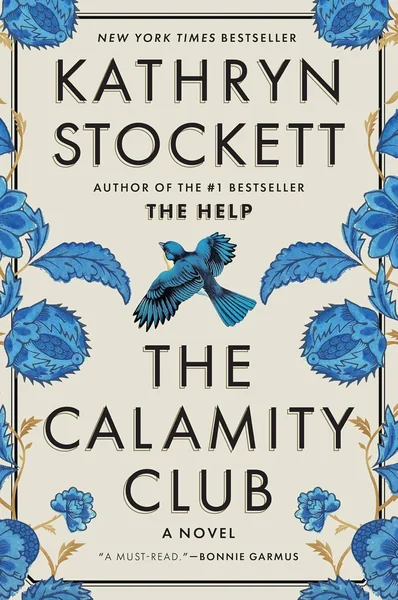
The Calamity Club: A Novel by Kathryn Stockett
4.7
/ 5
Seventeen years after the phenomenon of The Help, Kathryn Stockett returns with The Calamity Club, a sprawling, plot-driven novel set in Depression-era Mississippi that brings together an unlikely coalition of spinsters, sex workers, and orphans — and confirms, per The New York Times, that Stockett remains a master of the set piece.
View on LuvemBooks →
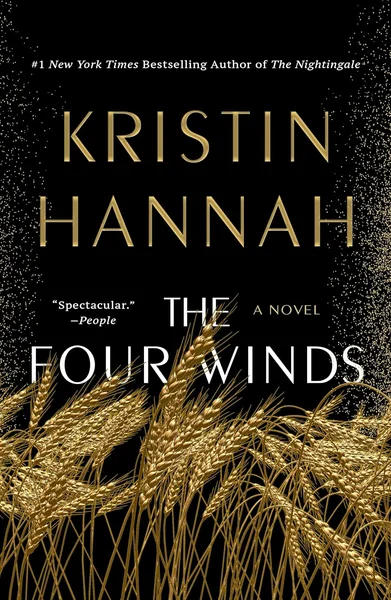
The Four Winds by Kristin Hannah
4.6
/ 5
Kristin Hannah's historical fiction novel The Four Winds follows Elsa Wolcott Martinelli from Dalhart, Texas, in 1921 through the Dust Bowl catastrophe of the 1930s, tracing one woman's fierce determination to survive for her children against a backdrop of drought, displacement, and economic collapse. Named the Bestselling Hardcover Novel of the Year by Publishers Weekly, it is a sweeping American epic with genuine emotional power — though Kirkus Reviews notes that its historical ambitions occasionally tip into the didactic.
View on LuvemBooks →
Follow up
Synthesized from verified book data & published reviews · How we review
What would you like to know about The Calamity Club?
Answers come from our editorial notes on this book. If we haven't covered something, we'll say so.
Readers often ask
Our Review
This review covers the book's content, premise and published critical reception, not a first-hand reading.
What the Novel Is and Who Inhabits It
The Long Shadow of *The Help* — and How Stockett Navigates It
Stockett's Strengths: Plot Mechanics and the Set Piece
What the Novel Does Not Attempt
Who This Novel Is For
Sources & Further Reading
The key facts and claims in this review are grounded in the retrieved, verified sources listed below.
- Cited in this review
- 1
dearstrangethings.substack.com
- 2
spiegelandgrau.com
- Further reading
- 3
- 4
- 5
thebookishbulletin.com
- 6
- 7
inkandimaginings.com
- 8
pleasereadittome.com
- 9
barnesandnoble.com
Age & Reading Level
Recommended age
Adult
3 content notes · who it suits
Content to know about
Skip if you want formally experimental or structurally inventive literary fiction rather than plot-driven historical storytelling
Reader reviews
Be one of the first readers to answer.
Read it? Was it right for you?
Books like The Calamity Club
Curated picks for readers who enjoyed The Calamity Club, with our reasoning for each match.

If you liked The Calamity Club