10 min read
4.4
· 18,037 Amazon ratingsShare This Review
An American Beauty by Shana Abé Review: A Forgotten Gilded Age Titan Restored
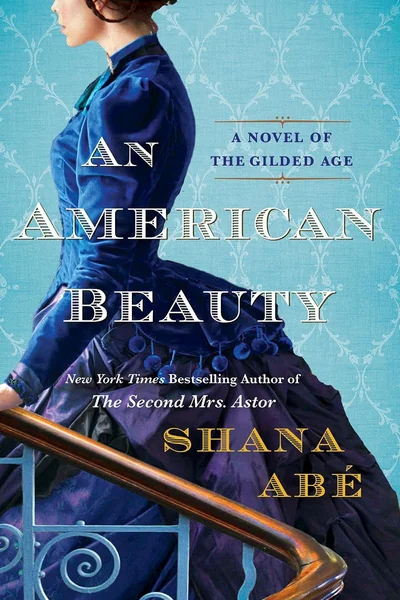
Shana Abé's An American Beauty is a sweeping historical novel published by Kensington in April 2023, tracing the extraordinary rise of Arabella Yarrington Huntington from a ramshackle Richmond, Virginia boarding house to the heights of Gilded Age New York society. Drawing on the real life of one of America's wealthiest women, Abé — a New York Times, Wall Street Journal, and USA Today bestselling author — crafts a story centered on beauty, ambition, and the steep social cost of female agency in the nineteenth century. The Historical Novel Society's review praised the novel for bringing history to life and shining a light on a largely forgotten figure, while critics noted that it offers "a fascinating look at the choices she made to become a Gilded Age titan." The multiple-perspective structure earns some criticism, but Arabella herself remains a compellingly drawn center of gravity throughout.
LuvemBooks Verdict
Best for
Readers of character-driven Gilded Age historical fiction — particularly fans of Marie Benedict, Allison Pataki, or Abé's own The Second Mrs. Astor — who are drawn to rigorously researched stories of real women who built power and autonomy within systems designed to exclude them.
Worth it if
The premise of a scandalous, real rags-to-riches ascent — from boarding-house poverty to the pinnacle of Gilded Age wealth — is what you're after, and you're willing to accept occasional narrative detours into secondary viewpoints in exchange for Abé's evocative period atmosphere and a genuinely complex central character.
Skip if
Readers who strongly prefer a single, tightly focalized perspective throughout will find the shifts to Arabella's mother and Collis's adopted daughter more distracting than enriching, undercutting the novel's most compelling thread.
What readers & critics say
Kirkus Reviews called the novel "a fascinating look at the choices she made to become a Gilded Age titan," while the Historical Novel Society (review by Caroline D. Wilson) praised Abé as "an accomplished author with an evocative writing style" and described Arabella as "a sympathetic but complex character," though it flagged the multi-perspective structure as more distracting than informative. Reader blog Austenprose found the writing "beautifully propulsive," describing the novel as a page-turner.
“This story of one woman's ascent offers a fascinating look at the choices she made to become a Gilded Age titan.”
— Kirkus ReviewsAsk LuvemBooks
Was this helpful?
- Is it worth reading?
- For readers drawn to character-driven historical fiction with a strong biographical foundation, An American Beauty delivers on its central promise: a richly researched, compellingly told account of a woman whose real story is as dramatic as any invented plot. The Historical Novel Society commended Abé's evocative writing style, Fiona Davis called her "an exquisite storyteller," and Arabella herself is rendered as a sympathetic yet complex figure — neither victim nor opportunist, but a strategic survivor. The novel's structural weakness, flagged by the Historical Novel Society, is its multi-perspective approach, which some readers will find dilutes rather than deepens Arabella's central story. Those willing to navigate the secondary viewpoints of Catherine Yarrington and Clara Prentice Huntington will find Arabella's arc — from a Richmond boarding house to Gilded Age titan — the genuine and rewarding draw.
- Similar books
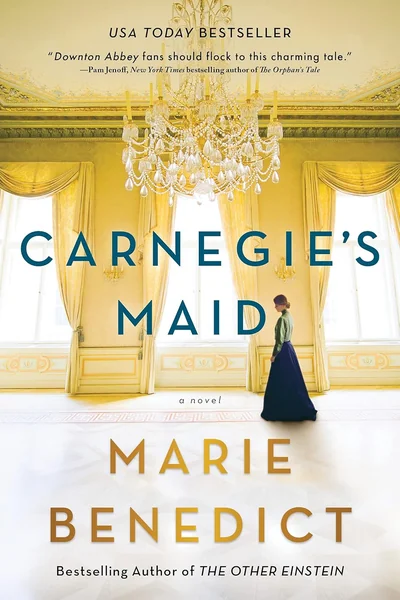
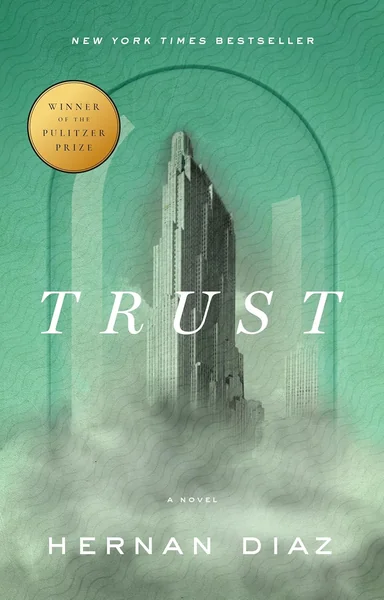
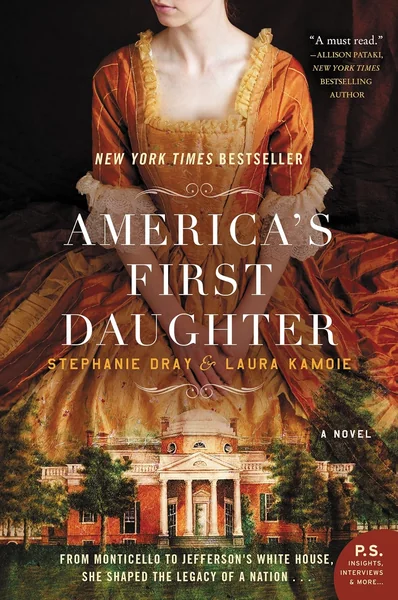
- Readers who enjoy An American Beauty will likely find strong common ground with several titles in the same orbit. Carnegie's Maid by Marie Benedict similarly centers an ambitious woman navigating the rarefied world of an American industrial titan, making it a near-perfect companion read. Hernan Diaz's Trust offers a more experimental take on Gilded Age wealth and the stories told — and suppressed — about powerful women of the era. America's First Daughter by Stephanie Dray and Laura Kamoie, and When the Jessamine Grows by Donna Everhart, both explore women carving out identity and agency within the constraints of their historical moment. The Downstairs Girl by Stacey Lee rounds out the cluster with its portrait of a young woman navigating rigid social hierarchies in a richly rendered American historical setting.
- Who should read this?
- An American Beauty is designed for readers who gravitate toward character-driven historical fiction with a strong biographical foundation — particularly those drawn to stories of women who carved out power and autonomy within systems built to exclude them. Its Gilded Age setting will appeal to fans of the current boom in that subgenre, including readers of Marie Benedict, Karen Harper, and Allison Pataki, as well as viewers of HBO's The Gilded Age looking for literary depth. Readers who came to Abé through The Second Mrs. Astor will find this novel extends a familiar and satisfying sensibility. Those who strongly prefer a single, immersive point of view throughout may want to be aware of the multi-perspective structure before picking it up.
- What are the main themes?
- An American Beauty is built around three structural themes: the influence of beauty and wealth on social mobility, the tension between societal expectation and personal ambition, and women's agency within a patriarchal society. These are not decorative concerns — they are embedded in the mechanics of Arabella's story, in which every social choice carries a calculated value and a corresponding cost. The novel also engages with questions of historical memory and erasure, centering a woman who wielded extraordinary real-world influence yet has largely faded from popular consciousness. Abé treats these themes with genuine seriousness, rendering Arabella as a strategic survivor rather than a simple victim or opportunist.
- How historically grounded is the novel?
- An American Beauty is rooted in the real life of Arabella Yarrington Huntington, a genuine historical figure who amassed extraordinary wealth and cultural influence during the Gilded Age before largely fading from popular memory. Abé is described as a richly researching author, and the Historical Novel Society praised the novel for bringing history to life and shining a light on a forgotten figure. The social mechanics of the era — the stratification of New York society, the role of wealth and beauty in determining a woman's position, and the specific costs of operating outside conventional respectability — are treated as structural elements of the story, not mere backdrop. Secondary figures such as Collis Huntington and the real Mrs. Huntington are drawn from the historical record.
- How does it fit the Gilded Age fiction trend?
- An American Beauty sits squarely within the current boom in Gilded Age historical fiction, alongside works by authors such as Marie Benedict, Karen Harper, and Allison Pataki, and has been positioned as a companion piece to the cultural conversation generated by HBO's The Gilded Age. Abé's particular contribution to the subgenre is the recovery of a genuinely forgotten real woman — Arabella Yarrington Huntington — whose story involves all the hallmarks of the era: social stratification, conspicuous wealth, and the narrow, costly avenues available to women seeking power. For readers already engaged with this wave of fiction, An American Beauty offers a recognizable sensibility with a distinctive and largely unexplored biographical subject at its center.
Summarize this book
Follow up
Synthesized from verified book data & published reviews · How we review
Press Enter to ask. Answers come from our editorial Q&A — start typing to see related questions.
Age & Reading Level
Recommended age
Adult
Reading level
Adult
3 content notes · who it suits
Content to know about
Skip if you prefer tightly focalized historical fiction with a single point of view throughout.
Our Review
The Story at Its Core
Historical Significance and Subject Matter
Abé's Craft and the Novel's Strengths
Structural Limitations Worth Noting
Who This Novel Is For
Sources & Further Reading
The key facts and claims in this review are grounded in the retrieved, verified sources listed below.
- Cited in this review
- 1
historicalnovelsociety.org
- 2
- 3
- Further reading
- 4
- 5
bookbrowse.com
- 6
- 7
Books like An American Beauty
Curated picks for readers who enjoyed An American Beauty, with our reasoning for each match.
If you liked An American Beauty