At a glance
LuvemBooks Verdict
Best for: Readers drawn to metafiction and novels that interrogate narrative form itself — particularly those fascinated by how extreme wealth, capital, and power shape (and distort) historical record.
Worth it? Skip it? Read the full verdict →Ask LuvemBooks
Was this helpful?
- Is it worth reading?
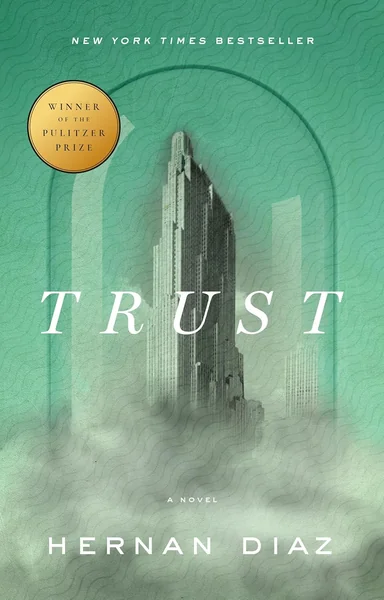
- For readers with a taste for metafiction and literary ambition, Trust is an exceptional achievement — Oprah Daily called it 'a glorious novel about empires and erasures… fun as hell to read,' and Sigrid Nunez praised 'serious ideas and serious pleasures on every beautifully composed page.' The prize record speaks for itself: a 2023 Pulitzer Prize, the 2022 Kirkus Prize, a Booker longlist, and a place on The New York Times's 100 Best Books of the 21st Century. The key caveat is that its deliberately destabilizing structure demands sustained, active engagement — readers who prefer emotionally direct or linear storytelling may find it more intellectual exercise than emotional experience.
- Similar books
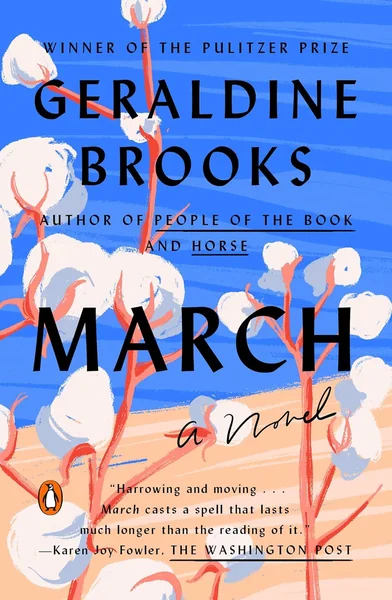
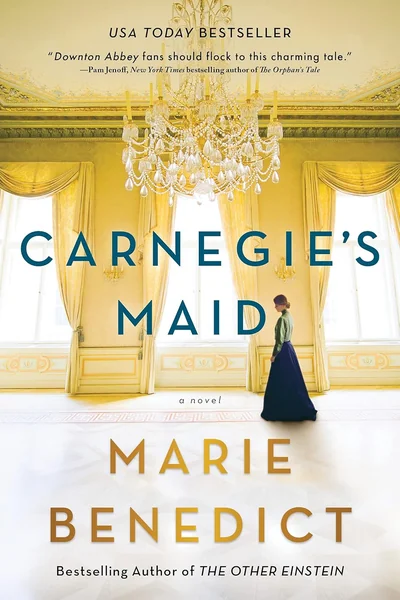
- Readers drawn to Trust's combination of historical wealth, literary ambition, and layered narrative will find worthwhile companions among the curated titles below. March by Geraldine Brooks — a Pulitzer Prize–winning novel that reimagines the absent father from Little Women — shares Trust's interest in how power shapes the historical record and whose perspective gets written out. Carnegie's Maid by Marie Benedict similarly explores the lives obscured by Gilded Age American wealth, telling the story of the woman who may have shaped Andrew Carnegie's philanthropic vision. For readers intrigued by Trust's Wall Street milieu and its echoes of The Great Gatsby and The Remains of the Day, those novels offer complementary portraits of aspiration, class, and the self-serving mythologies the wealthy construct around themselves.
- Who should read this?
- Trust is ideally suited to readers of serious literary fiction who are drawn to metafiction — novels that interrogate the form of the novel itself. Readers who have enjoyed structurally experimental works, or who are interested in American stories about money, class, and power told with real literary ambition, will find it a rare convergence of those interests. It is equally well-suited to readers fascinated by questions of historical erasure and whose version of events gets to survive — Esquire called it 'a riveting story of class, capitalism, and greed.' Readers who need emotional directness or linear plot momentum are the likely exception.
- About Hernan Diaz
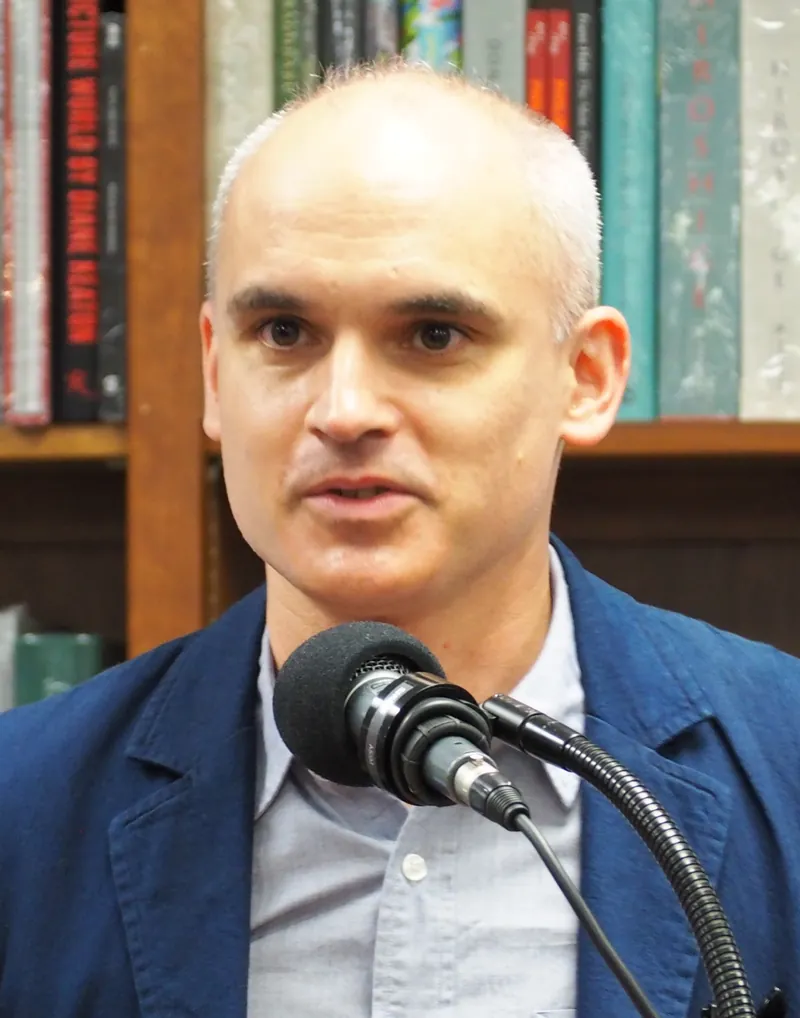
- Hernán Díaz is an Argentine and American writer.
- What are the main themes?
- Trust's core preoccupation is the reality-warping force of extreme wealth and capital — specifically, how power manipulates facts and erases inconvenient truths. Díaz articulated the animating idea in his own words, reading from the novel: 'Why work at a place that makes one thing when I could work at a company that makes all things? Because that's what money is — all things.' The novel also interrogates narrative control and historical memory: each of its four fictional texts is written by someone with an interest in shaping the record, and it falls to Ida Partenza — the ghostwriter who holds the suppressed version — to stand as the novel's moral counterweight. Oprah Daily captured the breadth of it: 'a glorious novel about empires and erasures, husbands and wives, staggering fortunes and unspeakable misery.'
- Is this a good book club pick?
- Trust is an unusually rich book club selection. Its four competing narrative layers — each revising or dismantling the one before — generate genuine interpretive disagreement, and the central questions (whose account do we trust? whose version of history survives?) are exactly the kind that sustain long discussion. Ida Partenza's role as the ghostwriter who holds the suppressed record gives groups a clear moral thread to trace, while the novel's themes of class, capitalism, and erasure connect readily to contemporary concerns. The main consideration is that members should be prepared for a structurally demanding read that rewards discussion more than passive enjoyment.
Summarize this book
Follow up
Synthesized from verified book data & published reviews · How we review
Press Enter to ask. Answers come from our editorial Q&A — start typing to see related questions.
Age & Reading Level
Recommended age
Adult
Reading level
Adult
2 content notes · who it suits
Content to know about
Skip if you prefer linear, emotionally direct storytelling and are frustrated by deliberately unresolved, contradictory narratives.
Editorial Review
Trust by Hernán Díaz is a structurally daring, Pulitzer Prize–winning novel composed of four interlocking fictional texts that circle a secretive Wall Street financier and his wife, interrogating how wealth, power, and narrative itself can be weaponized to erase inconvenient truths. Named a New York Times bestseller, longlisted for the 2022 Booker Prize, and named one of The New York Times's 100 Best Books of the 21st Century, it stands as one of the most decorated American novels of its era — demanding, rewarding, and unlike almost anything else in contemporary fiction.
Read the Full ReviewBooks like Trust
Curated picks for readers who enjoyed Trust, with our reasoning for each match.