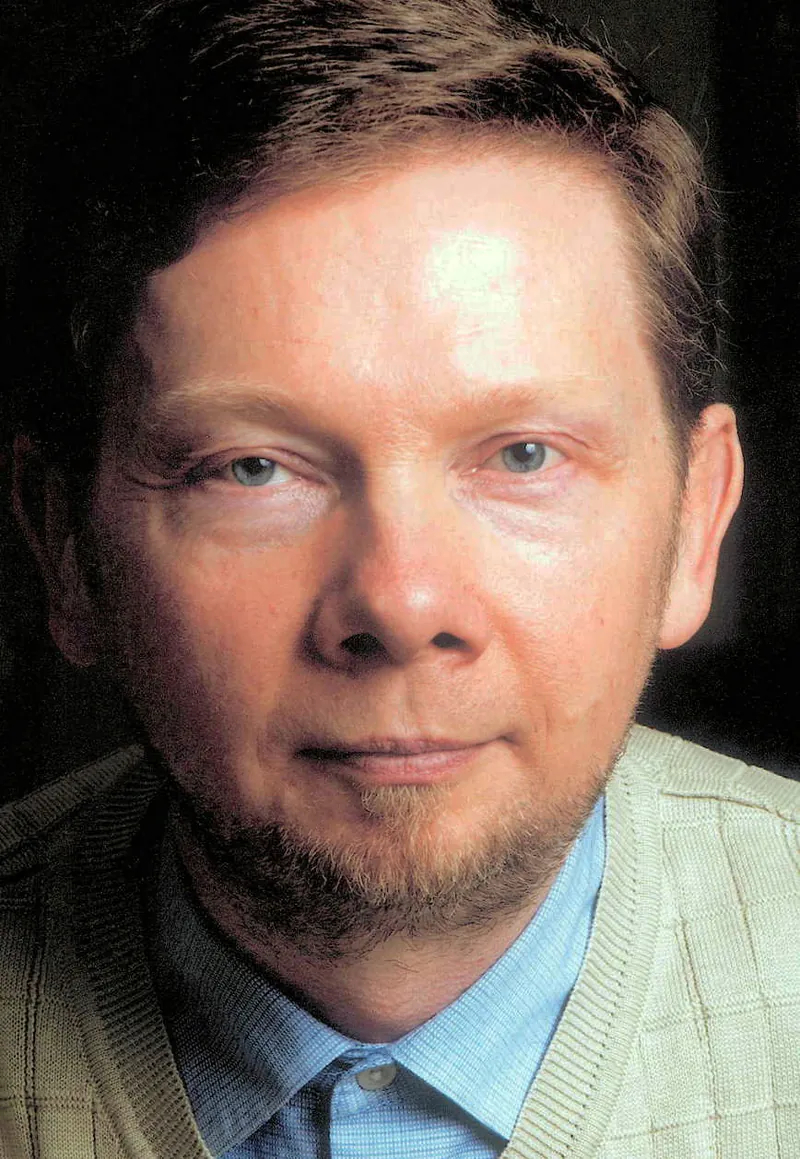
Eckhart Tolle
2
Books ReviewedAsk LuvemBooks about Eckhart Tolle
- Where should I start?
- The Power of Now: A Guide to Spiritual Enlightenment is the natural entry point — it's Tolle's foundational text, and the ideas in every subsequent book trace back to it. It's written as a dialogue between author and reader, which makes the sometimes abstract concepts feel more approachable than a straight essay format would. If you find yourself wanting shorter, more meditative doses of the same ideas after that, Stillness Speaks works well as a follow-up.
- What's their writing style?
- Tolle writes in a calm, declarative register that deliberately avoids academic or polemical energy — sentences tend to be short and stripped back, with frequent pauses built in through white space or section breaks. The Power of Now uses a question-and-answer structure that mimics a teaching dialogue, while Stillness Speaks abandons even that framework in favour of standalone aphorisms, some only a sentence or two long. The effect across both books is writing that asks to be absorbed rather than argued with.
- Books we've reviewed
- We've reviewed two books by Eckhart Tolle on LuvemBooks. The Power of Now: A Guide to Spiritual Enlightenment is his landmark first book, presenting his core teaching on present-moment awareness through a sustained question-and-answer dialogue; it carries a reader rating of 4.7/5 from over 54,000 Amazon ratings. Stillness Speaks distils similar ideas into a collection of short aphoristic passages intended for slow, reflective reading rather than linear consumption, and holds a reader rating of 4.8/5 from over 4,000 Amazon ratings.
- How do his books compare?
- The Power of Now makes an extended, structured argument — it builds concepts across chapters and uses the dialogue format to address objections and deepen ideas progressively. Stillness Speaks assumes that groundwork is already laid and functions more like a daily meditation companion, offering the same philosophy in concentrated fragments rather than developed reasoning. Readers new to Tolle will get more from starting with The Power of Now; those already familiar with his ideas often find Stillness Speaks the more useful ongoing reference.
- Why is The Power of Now trending?
- The Power of Now is currently experiencing a resurgence in readership — a pattern that's been seen with this title several times since its original publication. Books centred on managing anxiety and disengaging from mental noise tend to see renewed interest during periods of collective stress, and Tolle's core message about releasing rumination on past and future maps closely onto what a lot of readers are actively looking for right now. The book has also benefited historically from social media recommendation cycles, where a single high-profile mention can send a decades-old title back into circulation.
- What genre do they write?
- Tolle's books sit across Religion & Spirituality and Health & Wellness depending on how individual titles are catalogued, but in practice the work resists clean genre boundaries. He's writing spiritual philosophy with a practical self-help application — less interested in doctrine or ritual than in direct, experiential shifts in how a reader relates to their own thinking. Readers who enjoy secular mindfulness literature, contemplative spirituality, or philosophy of mind often find his work worthwhile, even when they don't fully accept his premises.
- What should I read after The Power of Now?
- If you want to stay within Tolle's own catalogue, Stillness Speaks is a natural next step — it works best as a consolidation of ideas you've already encountered in The Power of Now rather than as an introduction. His book A New Earth, not yet reviewed on LuvemBooks, extends the argument by applying the same framework to collective human behaviour and ego rather than focusing solely on individual inner experience.
Who is Eckhart Tolle?
Follow up
Synthesized from verified book data & published reviews · How we review
Press Enter to ask. Answers come from our editorial Q&A — start typing to see related questions.
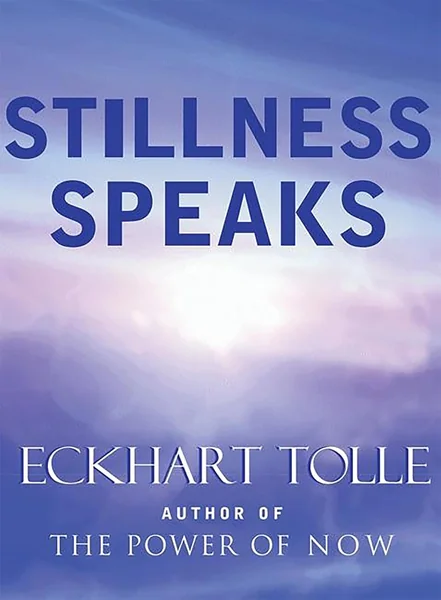
Stillness Speaks by Eckhart Tolle
4.8/5
Stillness Speaks is a compact spiritual reference book by Eckhart Tolle, structured as ten short chapters of aphoristic teachings modeled on the ancient Indian sutra tradition, designed to guide readers toward silence, present-moment awareness, and inner stillness rather than engage the analytical mind.
Reviewed Jul 16, 2026
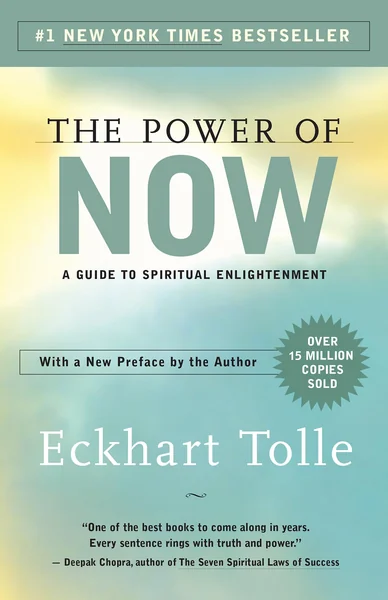
The Power of Now: A Guide to Spiritual Enlightenment by Eckhart Tolle
4.7/5
A self-help and spiritual guide first published in 1997, The Power of Now by Eckhart Tolle has sold 16 million copies worldwide and been translated into 33 languages, building its reputation on one central argument: that human suffering stems from identification with the thinking mind, and that relief lies in anchoring oneself to the present moment. This review covers the book's content, structure, cultural reach, and genuine limitations as documented in published sources — not from hands-on application.
Reviewed Feb 11, 2026
Authors Like Eckhart Tolle
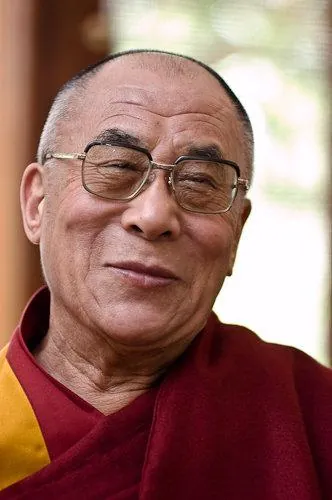
Dalai Lama
The 14th Dalai Lama was recognized at age two as the reincarnation of the 13th Dalai Lama. Following the 1959 Tibetan uprising, he escaped into exile in India, where he lives as a refugee. He has authored works including two autobiographies — My Land and My People (1962) and Freedom in Exile (1991) — as well as The Art of Happiness, a landmark book in the field of positive psychology.
2 books reviewed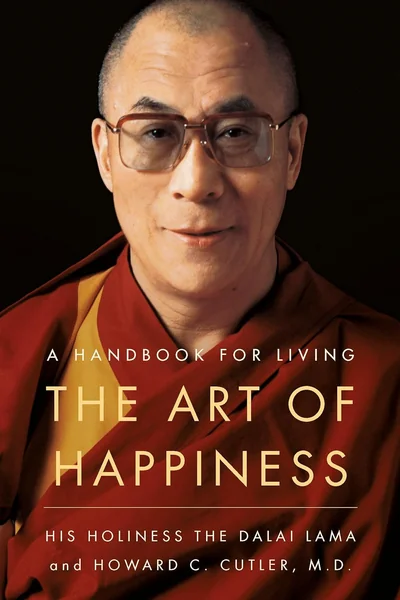
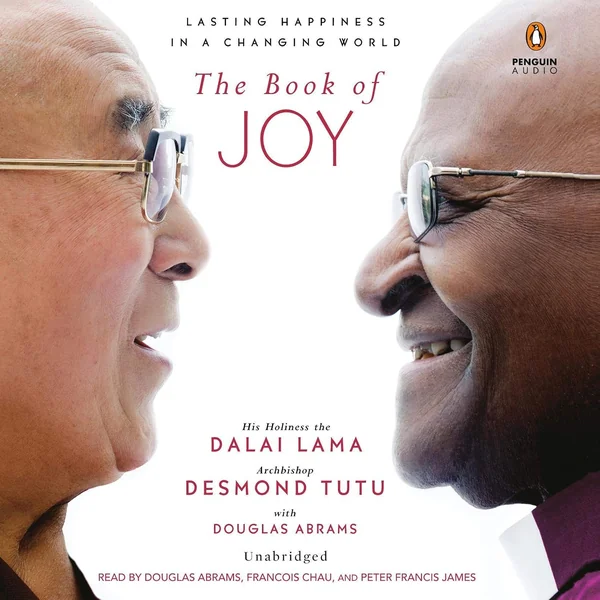
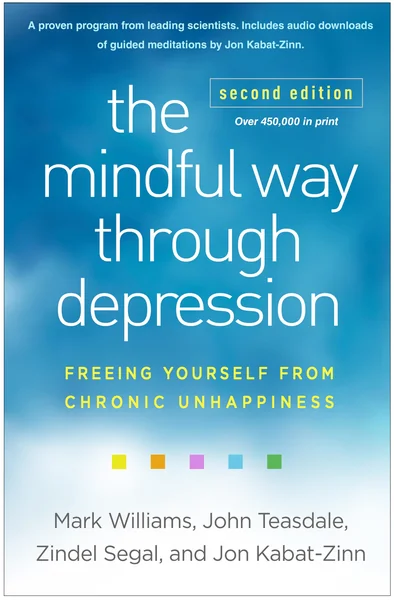
Jon Kabat-Zinn
Jon Kabat-Zinn (born June 5, 1944) is an American professor emeritus of medicine at the University of Massachusetts Medical School, scientist, writer, and meditation teacher. He is the creator of the Stress Reduction Clinic and the founder of Mindfulness-Based Stress Reduction (MBSR). His books include *Full Catastrophe Living* (1990) and *Wherever You Go, There You Are*, among others.
4 books reviewed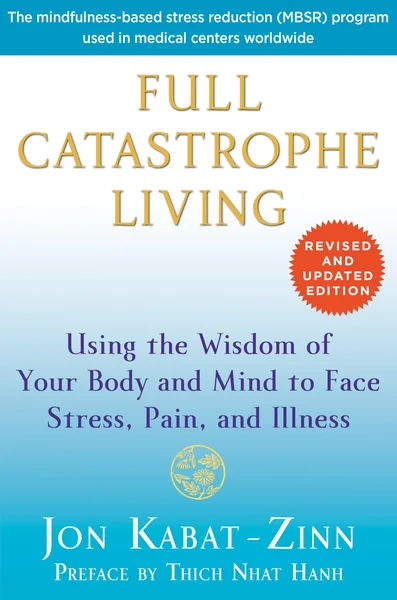
Lysa TerKeurst
Lysa TerKeurst is an American speaker and author of Christian non-fiction.
3 books reviewed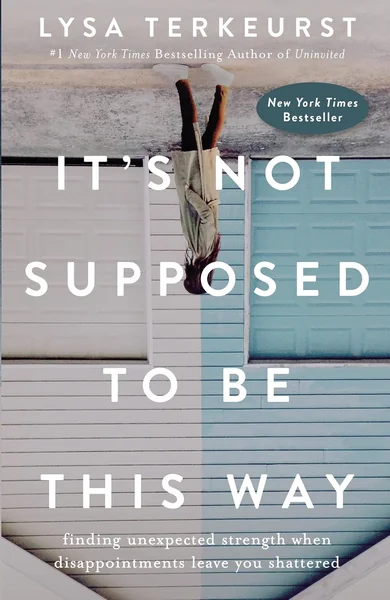


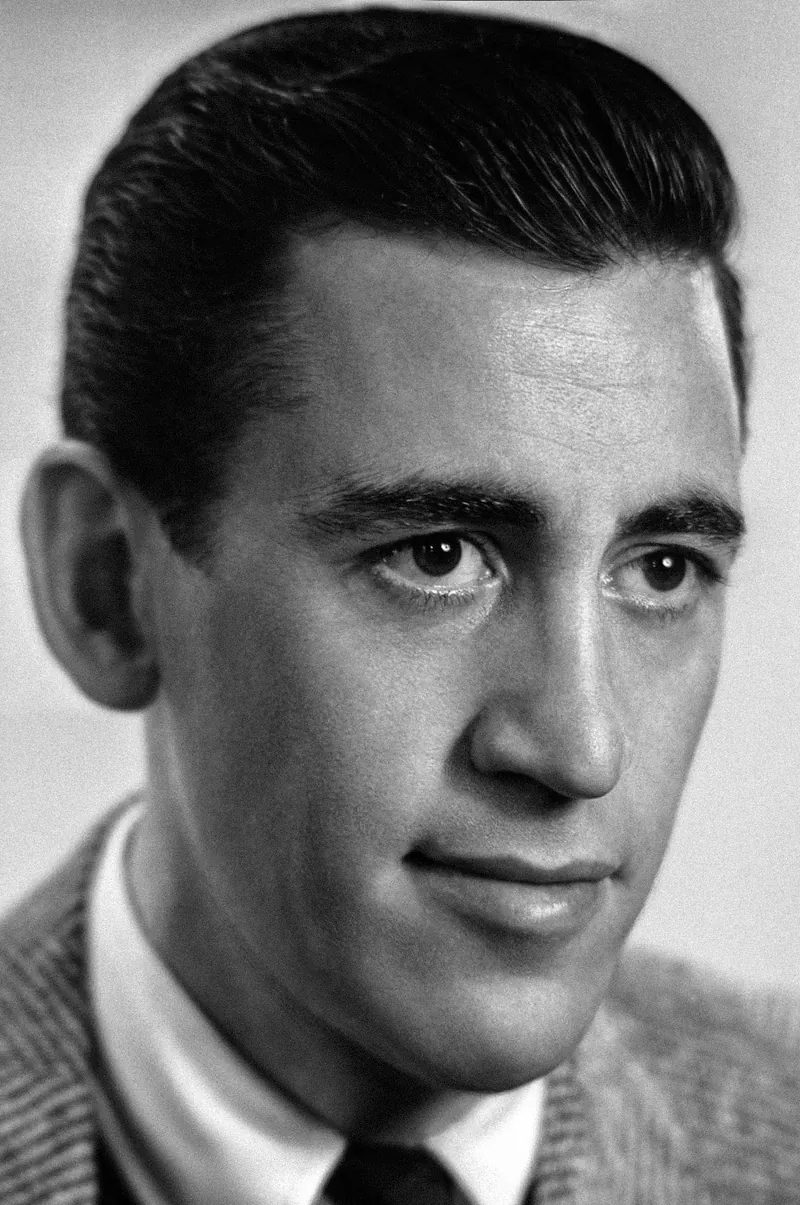
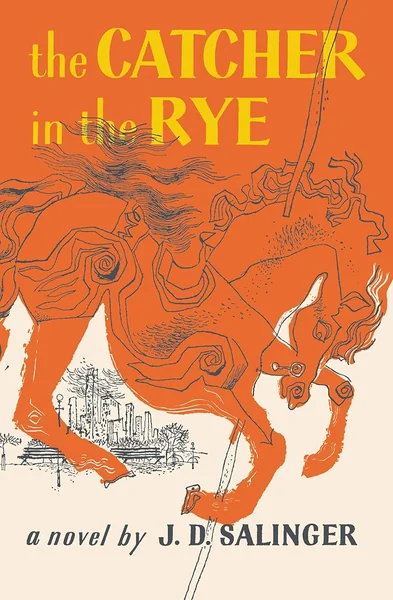
J. D. Salinger
Jerome David Salinger was an American author best known for his 1951 novel The Catcher in the Rye.
2 books reviewed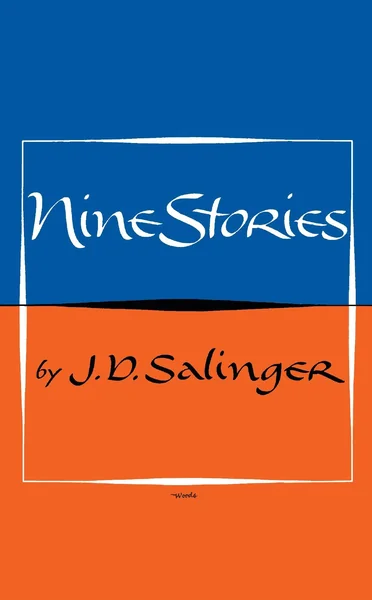
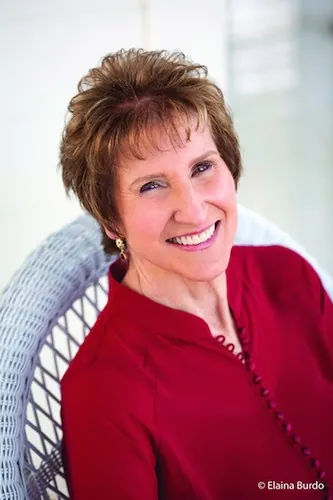
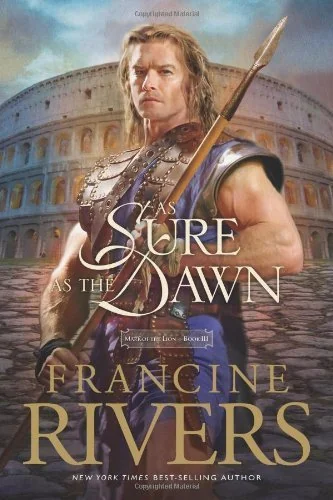
Francine Rivers
Francine Sandra Rivers is an American author of fiction with Christian themes, including inspirational romance novels.
2 books reviewed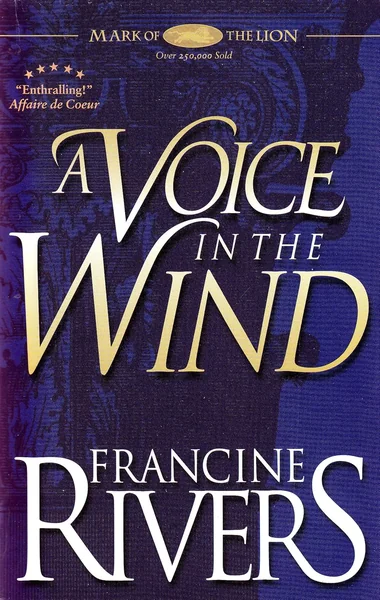
Thich Nhat Hanh