8 min read
4.6
· 381 Amazon ratingsShare This Review

Our review
Staying Healthy with Nutrition, rev
Staying Healthy with Nutrition by Elson M. Haas & Buck Levin Review: A Sweeping, Encyclopedic Nutrition Reference
Staying Healthy with Nutrition, revised edition, is a comprehensive nutrition reference guide co-authored by integrative medicine physician Dr. Elson M. Haas and Dr. Buck Levin, published by Celestial Arts in 2006. Drawing on decades of clinical and research experience, the volume covers everything from the biochemical building blocks of diet to lifestage-specific programs and medical treatment protocols, making it one of the most wide-ranging single-volume nutrition guides available. This review is based on published sources and the book's documented contents — not hands-on use.
LuvemBooks Verdict
Best for
Integrative medicine practitioners, nutritional therapy students, and serious health researchers who need a single, systematically organised reference spanning macronutrient science, global dietary traditions, environmental health hazards, and condition-specific clinical protocols.
Worth it if
Worth consulting if you want a rigorous, practitioner-authored reference — co-written by a physician with four decades of integrative medicine experience and a research-focused colleague — that covers everything from macronutrient biochemistry to environmental toxicology and mood-health protocols under one spine.
Skip if
Skip it if you need quick, targeted answers to a single health question, or if you require supplement and treatment-protocol guidance that reflects post-2006 nutritional research — at 944 pages and nearly two decades old, it rewards committed reference users rather than those seeking fast, up-to-date clinical specifics.
What readers & critics say
Publisher and retailer listings retrieved from penguinrandomhouse.com and barnesandnoble.com both describe the revised edition as presenting "authoritative health and nutrition information available in an easy-to-use format and a friendly, engaging tone," highlighting its expanded chapters on lifestage programs, special supplements, and treatment protocols for conditions including anxiety, ADHD, and depression. The author's own site, elsonhaasmd.com, characterises the volume as "an improved and expansive look at nutrition and health," noting that decades of practical experience and scientific research have been compiled into a 1,000-plus-page encyclopedic work.
Sources: Penguin Random House, Barnes & Noble, elsonhaasmd.comAsk LuvemBooks
Was this helpful?
- Is it worth reading?
- For readers who want rigorous, practitioner-informed nutrition guidance rather than trend-driven advice, Staying Healthy with Nutrition represents one of the most wide-ranging single-volume references available. Andrew Weil, M.D. calls it 'an excellent guide for those wishing to make smarter dietary choices,' a signal of its standing in evidence-based integrative medicine. The primary caveat is its 2006 publication date: specific supplement recommendations and treatment protocols should be cross-referenced with current clinical literature, as nutritional science has continued to evolve. Readers seeking quick, targeted answers on a single health concern may also find the 944-page encyclopedic format requires significant navigation.
- Similar books
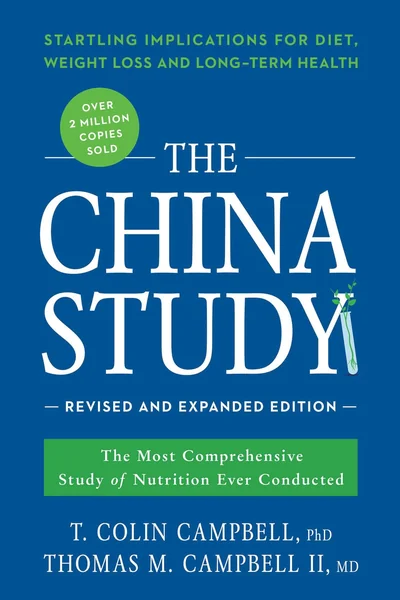
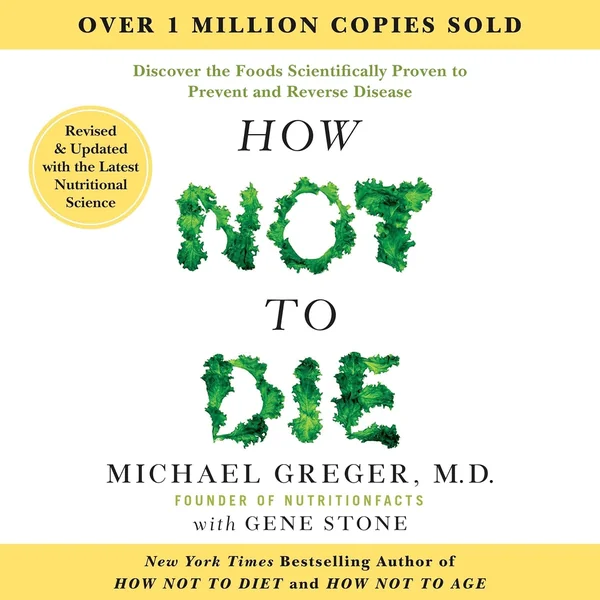
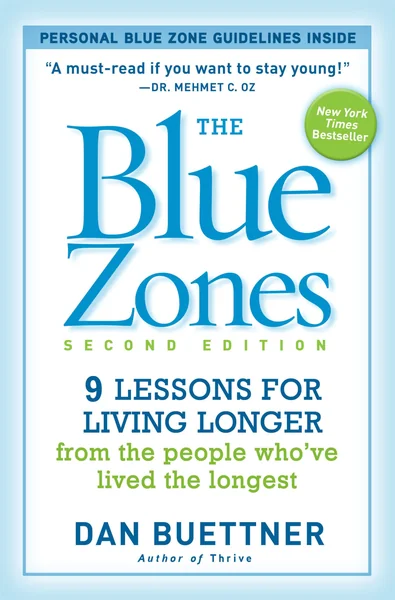
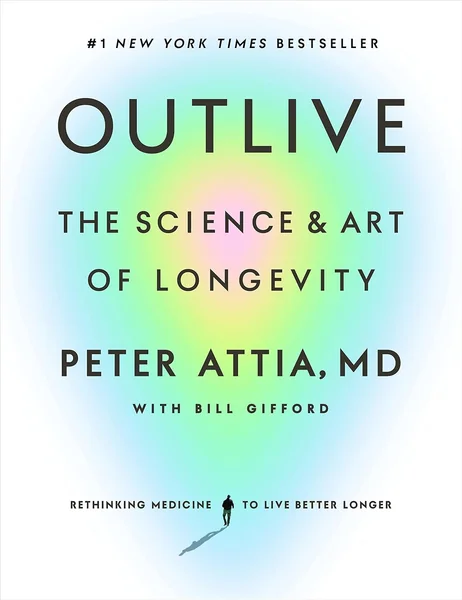
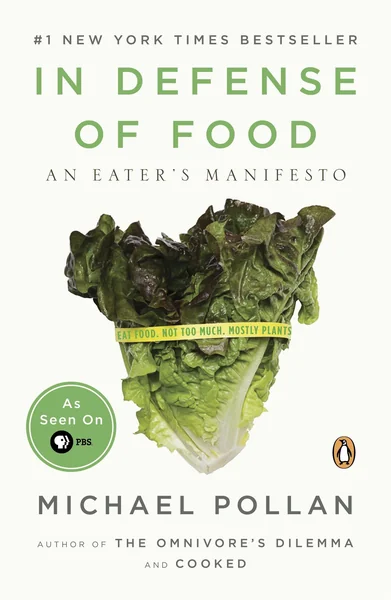
- Readers drawn to Staying Healthy with Nutrition's evidence-based, practitioner-informed approach will find strong companions in the curated titles below. The China Study by T. Colin Campbell and Thomas M. Campbell offers a landmark research-driven case for plant-based nutrition, while Outlive: The Science and Art of Longevity by Peter Attia MD provides a rigorous, clinician-authored framework for longevity medicine. How Not to Diet by Michael Greger M.D. FACLM brings similarly comprehensive nutritional science to bear on weight management, and In Defense of Food by Michael Pollan offers a concise, accessible counterpoint on what and how to eat. For a population-level lens on diet and long life, The Blue Zones by Dan Buettner examines the dietary patterns of the world's longest-lived communities.
- Who should read this?
- Staying Healthy with Nutrition is best suited to adult readers with a serious, sustained interest in nutrition science — whether that means practitioners in integrative or functional medicine, nutrition students, dietitians, or motivated lay readers who want a comprehensive working reference rather than a quick-start diet guide. The book is written to function both as a consumer reference and as a professional tool, reflecting Dr. Haas's four decades of integrative family medicine practice and Dr. Levin's research depth. Readers who prefer concise, trend-aligned dietary guidance will likely find the encyclopedic format and 2006 publication date less suited to their needs.
- Who are the authors?
- Dr. Elson M. Haas is an integrative family medicine practitioner with four decades of healthcare experience, the founder and director of the Preventive Medical Center of Marin — a multidisciplinary clinic in San Rafael, California — and the author of ten books on health, nutrition, and detoxification, including Staying Healthy with the Seasons and The Detox Diet. Dr. Buck Levin brings complementary academic and research depth to the collaboration. Together, the pairing of long-form clinical practice with research rigor is reflected in the book's dual function as both a consumer reference and a professional working tool.
- What does it say about environmental nutrition?
- Part Three of Staying Healthy with Nutrition addresses a topic that is rarely integrated into mainstream nutrition guides: the relationship between environment and nutrition. It covers food additives, industrial chemicals, food irradiation, and electro-pollution — a breadth of environmental health topics that reflects Haas and Levin's integrative philosophy. The inclusion of this section distinguishes the book from conventional nutrition references, which typically focus exclusively on macronutrients, micronutrients, and dietary patterns without addressing industrial and environmental inputs to health.
- How is the book structured?
- Staying Healthy with Nutrition is organized into four distinct parts, each covering a different dimension of nutrition and health. Part One addresses the biochemical building blocks — water, carbohydrates, proteins, fats and oils, vitamins, minerals, and other nutrients. Part Two broadens the lens to evaluate food groups and dietary traditions from around the world. Part Three integrates environmental health, covering food additives, irradiation, and electro-pollution. Part Four delivers applied nutritional and lifestyle protocols, with the revised edition's expanded chapters focusing on special supplements, lifestage programs, and condition-specific treatment protocols. The structure is designed to allow use as a reference rather than requiring a linear read.
Summarize this book
Follow up
Synthesized from verified book data & published reviews · How we review
What would you like to know about Staying Healthy with Nutrition, rev?
Answers come from our editorial notes on this book. If we haven't covered something, we'll say so.
Readers often ask
Our Review
What the Book Actually Is and Contains
The Authors and Their Credentials
Scope, Significance, and Notable Endorsement
Genuine Strengths
Limitations and Who May Find It Challenging
Sources & Further Reading
The key facts and claims in this review are grounded in the retrieved, verified sources listed below.
- Cited in this review
- 1
- 2
- 3
- Further reading
- 4
- 5
elsonhaasmd.com
- 6
Age & Reading Level
Recommended age
Adult
Reading level
Adult
who it suits
Skip if you want quick, actionable dietary guidance rather than a comprehensive clinical reference.
Reader reviews
Be one of the first readers to answer.
Read it? Was it right for you?
Books like Staying Healthy with Nutrition, rev
Curated picks for readers who enjoyed Staying Healthy with Nutrition, rev, with our reasoning for each match.

If you liked Staying Healthy with Nutrition, rev