10 min read
4.6
· 5,715 Amazon ratingsShare This Review

Our review
Metabolical
Metabolical by Robert H. Lustig Review: A Sweeping Indictment of Processed Food and Modern Medicine
Robert H. Lustig's Metabolical is a New York Times bestselling work of narrative health science that argues processed food has driven eight core pathologies underlying virtually all chronic disease — and that the healthcare, food, and pharmaceutical industries have systematically obscured this reality. This review is based on published source material and reception accounts; it does not reflect hands-on use or application of the book's recommendations.


 Tap to enlarge
LuvemBooks Verdict
Best for
Readers who want to understand the structural and biological mechanisms driving the chronic disease epidemic — not just what to eat, but how the food environment was shaped, who benefits, and what the science shows beneath layers of industry-influenced messaging.
Worth it if
Worth engaging with if you're ready to approach it as a work of narrative science and institutional critique — one that reframes how metabolic health is understood at a systemic level, backed by over a thousand cited references available online.
Skip if
Skip it if you're looking for a focused, step-by-step dietary protocol or if confrontational indictments of established medical and food-industry institutions are likely to read as overreach rather than corrective science.
What readers & critics say
Red Pen Reviews found the diet advice in Metabolical "fairly healthy" but assessed its scientific arguments as weak, and noted the whole-food approach would be very hard to follow in practice. Dr. Perlmutter's site offers a more enthusiastic take, describing the book as providing "a comprehensive analysis of how the modern food environment, particularly the prevalence of processed foods, contributes to widespread health issues."
Sources: Red Pen Reviews, Dr. PerlmutterPreview the book

Ask LuvemBooks
Was this helpful?
- Is it worth reading?
- For readers who want to understand the structural and biological mechanisms behind the chronic disease epidemic, Metabolical is a genuinely distinctive work — few popular health titles combine Lustig's clinical credentials, a 1,054-reference evidentiary foundation, and a scope that connects metabolic science, food-systems economics, pharmaceutical policy, and environmental impact into a unified thesis. Readers who engaged with Lustig's earlier Fat Chance will find this a significantly more ambitious successor. The key caveat is that the book demands active engagement: its breadth makes it a demanding read, its confrontational institutional critique will not resonate equally with all readers, and verifying its claims requires consulting a separate online reference list.
- Similar books
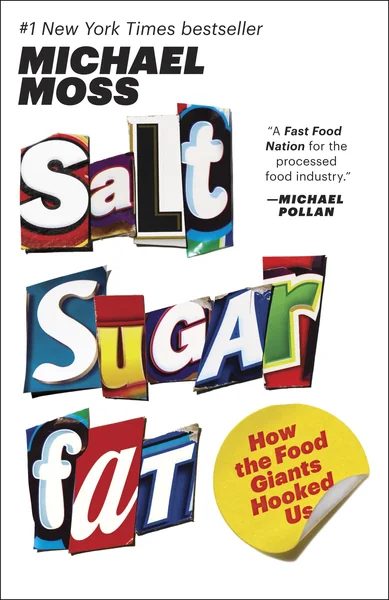
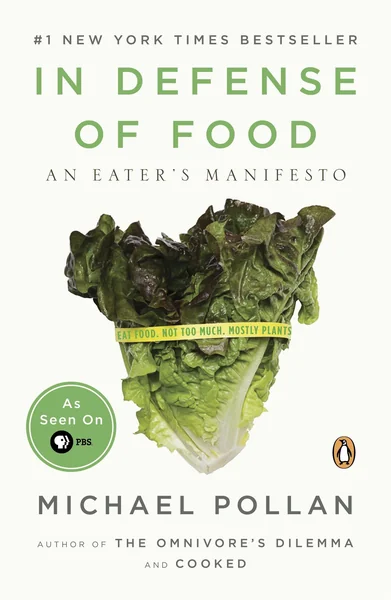
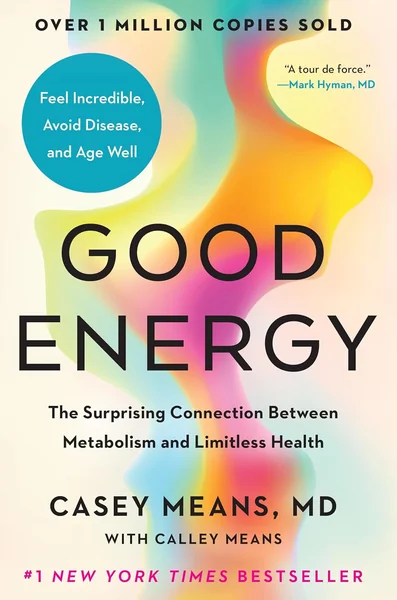
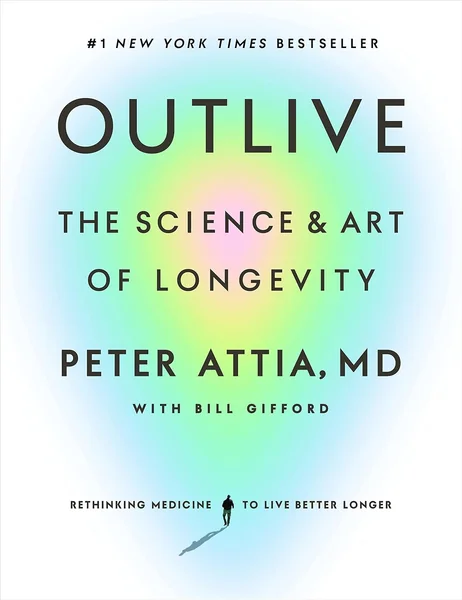
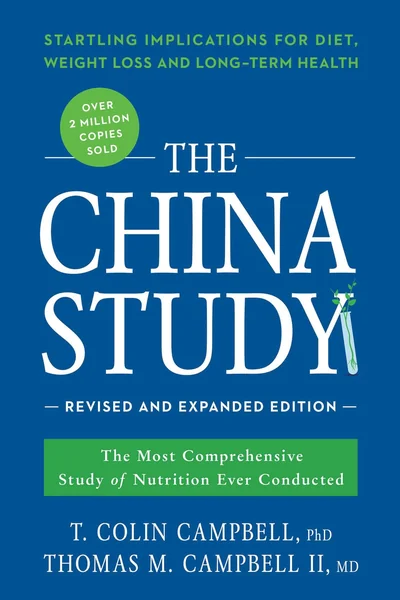
- Readers drawn to Metabolical's indictment of the food industry will find a close companion in Michael Moss's Salt Sugar Fat: How the Food Giants Hooked Us, which investigates how processed food companies engineered their products for maximum consumption. Michael Pollan's In Defense of Food: An Eater's Manifesto covers overlapping ground on the failures of nutritionism, though in a less technically dense and less polemical register. For metabolic health approached through a forward-looking lens, Casey Means and Calley Means's Good Energy: The Surprising Connection Between Metabolism offers a complementary perspective, while Peter Attia's Outlive: The Science and Art of Longevity shares Metabolical's interest in the science of chronic disease and longevity. T. Colin Campbell and Thomas M. Campbell's The China Study is another landmark work connecting diet to disease at a systemic level.
- Who should read this?
- Metabolical is designed for adult readers who want to understand the structural and biological mechanisms behind the chronic disease epidemic — not just what to eat, but why the food environment looks the way it does, who benefits, and what the science actually shows beneath layers of industry-shaped messaging. It will resonate most strongly with readers already skeptical of food-industry and pharmaceutical influence, and with those willing to engage with a demanding, wide-ranging argument rather than a focused dietary guide. Readers who prefer more measured, incremental argumentation, or who are seeking step-by-step health recommendations, may find the book's scope and confrontational tone a poor fit.
- About Robert H. Lustig
- Robert H. Lustig is an American pediatric endocrinologist.
- What are Lustig's key arguments?
- Lustig's central claim is that eight distinct pathologies underlie all chronic disease, and that the rise of processed food over the past fifty years has driven each of them. He argues that the healthcare, food, and pharmaceutical industries — which he collectively names "Big Medicine, Big Food, Big Pharma, and Big Government" — have systematically obscured this reality. The book positions the processed-food crisis as a systemic failure rather than a matter of individual choice or willpower, and frames Lustig's ideas as "heresies — concepts which buck the established dogma — except they are true."
- What are the book's strengths and weaknesses?
- Metabolical's greatest strengths are its clinical authority — Lustig is a credentialed pediatric neuroendocrinologist with a long research record — its unusually broad scope connecting metabolic science, food-systems economics, pharmaceutical policy, and environmental impact, and its 1,054-reference evidentiary foundation. Its key weaknesses are the same ambition that powers those strengths: the book is a demanding read rather than a focused guide, its confrontational tone will polarize some readers, and verifying claims requires consulting a separate online reference list rather than in-text footnotes. It is best approached as narrative science and institutional critique, not as a practical protocol.
Summarize this book
Follow up
Synthesized from verified book data & published reviews · How we review
What would you like to know about Metabolical?
Answers come from our editorial notes on this book. If we haven't covered something, we'll say so.
Readers often ask
Our Review
This review covers the book's content, premise and published critical reception, not a first-hand reading.
What the Book Actually Argues
Scope, Scale, and Scientific Ambition
Lustig's Voice and Credibility
Genuine Limitations and Who May Struggle
Who This Book Is For
Sources & Further Reading
The key facts and claims in this review are grounded in the retrieved, verified sources listed below.
- 1
Robert H. Lustig, LuvemBooks
Age & Reading Level
Recommended age
Adult
1 content note · who it suits
Content to know about
Skip if you want a practical, step-by-step dietary guide rather than a wide-ranging work of narrative science and systemic critique.
Reader reviews
Be one of the first readers to answer.
Read it? Was it right for you?
Books like Metabolical
Curated picks for readers who enjoyed Metabolical, with our reasoning for each match.

If you liked Metabolical