8 min read
4.1
· 30,380 Amazon ratingsShare This Review

The Most Fun We Ever Had by Claire Lombardo Review: A Sprawling, Spiked Family Saga
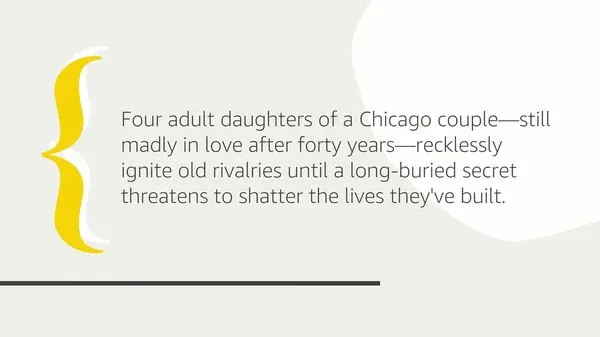
Claire Lombardo's debut novel is a multigenerational family saga centered on the Sorenson family — parents David and Marilyn, still passionately in love after four decades, and their four adult daughters whose rivalries and secrets threaten to unravel everything — earning a New York Times Bestseller designation, a Women's Prize for Fiction nomination, and selection as a Reese's Book Club Pick.
 Tap to enlarge
LuvemBooks Verdict
Best for
Readers who love expansive American family sagas — think Anne Tyler or Jonathan Franzen — and want a multigenerational novel that balances dark comedy, sisterly rivalry, and a decades-long love story with genuine literary ambition.
Worth it if
You're drawn to psychologically intricate domestic fiction and are happy to commit to a large, slowly accumulating cast across multiple decades — especially if you read with a book club that can dig into its layered characters and recurring symbolic threads.
Skip if
You prefer lean, tightly plotted narratives or morally complex central relationships throughout — the novel's deliberately unhurried pace and its idealized portrait of David and Marilyn's marriage may frustrate rather than reward you.
What readers & critics say
Kirkus Reviews praised it as "a sharp, sly family story of feminine guile and guilt," calling Lombardo's debut "fun and brimming" with a particular kind of female intelligence. Open Kimono Publishing described the prose as "lush without being heavy, balancing humor and heartbreak in a way that makes the novel impossible to put down," and noted it was hailed on selection as a "brilliant" and "addictive" family saga that is "sprawling in scope yet intimate at its core."
“Four Chicago sisters anchor a sharp, sly family story of feminine guile and guilt — a fun and brimming tale.”
— Kirkus ReviewsAsk LuvemBooks
Was this helpful?
- Is it worth reading?
- For readers drawn to expansive domestic fiction in the tradition of Anne Tyler or Jonathan Franzen, The Most Fun We Ever Had is a compelling case for the multigenerational family saga's staying power — a debut that earned both a Women's Prize for Fiction nomination and New York Times Bestseller status, a rare dual achievement. Lombardo's ability to bring a huge cast to life with 'humor, vividness and acute psychological depth' (Penguin Random House) gives the novel both emotional momentum and literary seriousness. The key caveat is its scale: the novel's deliberate, accumulative pace asks a real commitment of the reader, and those who prefer tightly plotted or lean narratives may find the investment uneven.
- Similar books
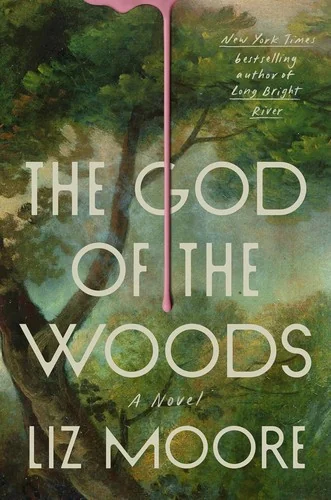
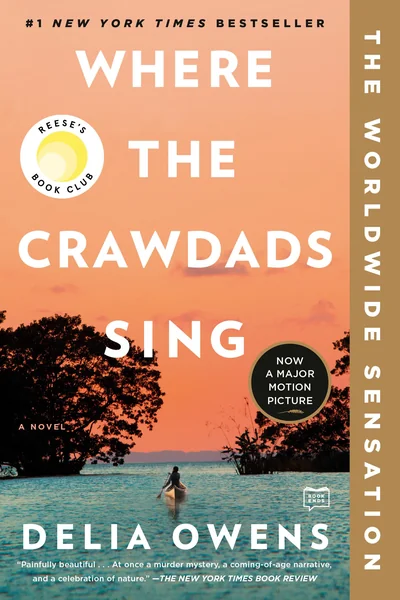
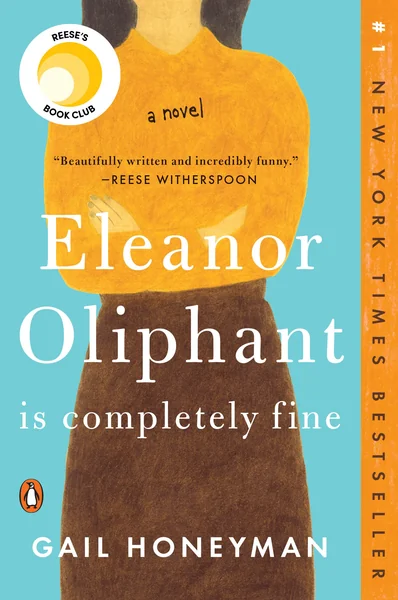
- Readers who love The Most Fun We Ever Had tend to gravitate toward other ambitious, character-driven literary fiction. The God of the Woods by Liz Moore shares its multigenerational scope and layered family secrets. Where the Crawdads Sing by Delia Owens similarly blends emotional depth with a slowly surfacing hidden truth. Eleanor Oliphant Is Completely Fine by Gail Honeyman offers the same dark humor wrapped around family damage and psychological complexity. The Goldfinch by Donna Tartt is another large-canvas literary novel praised for its psychological intricacy and sprawling emotional ambition — a natural companion for readers drawn to Lombardo's accumulative style.
- Who should read this?
- The Most Fun We Ever Had is best suited for adult readers who love expansive domestic fiction — specifically those who respond to the psychologically intricate family sagas of Anne Tyler or Jonathan Franzen. Readers who enjoy dark comedy woven through family drama, long-form character studies with a large ensemble cast, and novels that reward patience with emotional and structural payoff will find it a natural fit. It is also an ideal pick for book clubs, given its layered cast, recurring symbolic architecture (the gingko trees, Violet's secret), and the abundant discussion material generated by the four daughters' competing perspectives.
- About Claire Lombardo
- From the suburbs of Oak Park, Illinois, New York Times bestselling author Claire Lombardo burst onto the literary scene with her remarkable debut The Most Fun We Ever Had in 2019.
- Tell me about the adaptation
- The Most Fun We Ever Had has been optioned for television by Reese Witherspoon, adding to the novel's already considerable industry recognition as a Reese's Book Club Pick. The TV option reflects both the story's broad popular appeal and the structural richness of its multigenerational cast — the Sorenson family's decades-spanning rivalries and secrets offer substantial material for a series format. No release date or production details are confirmed in available sources.
- What are the main themes?
- The novel's central themes are family loyalty, inherited damage, sisterhood, and the tension between idealized love and lived dysfunction. David and Marilyn's enduring romance serves as both an anchor and an irritant for their four daughters — a model of partnership that alternately inspires and burdens the next generation. Recurring imagery of gingko trees threads through the narrative as a symbolic meditation on growth, persistence, and family continuity. The review also identifies dark comedy as a tonal throughline, with the sisterly rivalries rendered as much with wry humor as with dramatic weight.
- Is this a good book club pick?
- The Most Fun We Ever Had is well-suited for book clubs. The review specifically highlights the novel's 'layered cast and its explicit symbolic architecture — those recurring gingko trees, Violet's late-revealed secret — offer abundant material for discussion.' The four daughters' competing perspectives naturally generate disagreement among readers, and the central question of whether David and Marilyn's idealized marriage is inspiring or unrealistic is itself a rich discussion prompt. Its Reese's Book Club Pick designation reflects the same assessment.
Summarize this book
Follow up
Synthesized from verified book data & published reviews · How we review
Press Enter to ask. Answers come from our editorial Q&A — start typing to see related questions.
Age & Reading Level
Recommended age
Adult
Reading level
Adult
3 content notes · who it suits
Content to know about
Skip if you prefer lean, tightly plotted narratives over slow-burn multigenerational character studies.
Our Review
What the Novel Actually Is
Significance and Place in the Genre
What the Novel Does Well
Genuine Limitations and Who It May Frustrate
Who This Novel Is Genuinely For
Sources & Further Reading
The key facts and claims in this review are grounded in the retrieved, verified sources listed below.
- Cited in this review
- 1
- 2
reesesbookclub.com
- 3
- Further reading
- 4
Claire Lombardo, Wikipedia
- 5
- 6
- 7
- 8
clairelombardo.com
Books like The Most Fun We Ever Had
Curated picks for readers who enjoyed The Most Fun We Ever Had, with our reasoning for each match.
If you liked The Most Fun We Ever Had