At a glance

LuvemBooks Verdict
Best for: Readers of literary historical fiction who are drawn to feminist survival narratives, single-protagonist interiority, and stories of largely forgotten women reclaimed from history — particularly those who enjoy Reese's Book Club selections with genuine literary depth.
Worth it? Skip it? Read the full verdict →Ask LuvemBooks
Was this helpful?
- Is it worth reading?
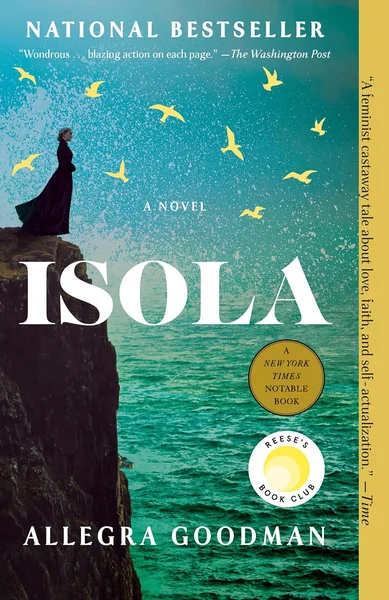
- For readers drawn to literary historical fiction with a strong feminist perspective and a survival-story backbone, Isola delivers on its considerable promise. Named a Best Book of the Year by TIME, The New York Times Book Review, The Washington Post, NPR, Slate, and more than six other major outlets, and a finalist for the Kirkus Prize, its critical consensus is exceptionally strong. Vogue praised Goodman for balancing thriller-paced plotting with 'the care of the most delicate psychological and historical fiction,' and Ann Napolitano called it 'a finely drawn and gripping novel of survival and faith.' The key caveat is its deliberately narrow, insular focus — this is entirely Marguerite's world, and readers who prefer multi-perspective epics or secular historical fiction may find the commitment more demanding than they expect.
- Similar books
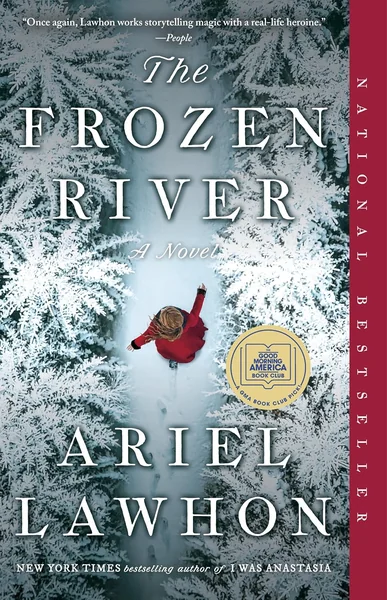
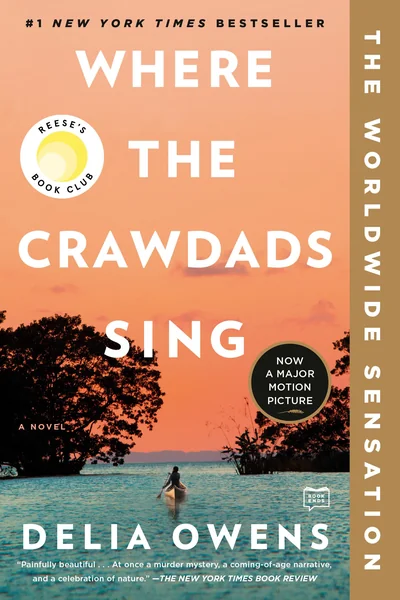
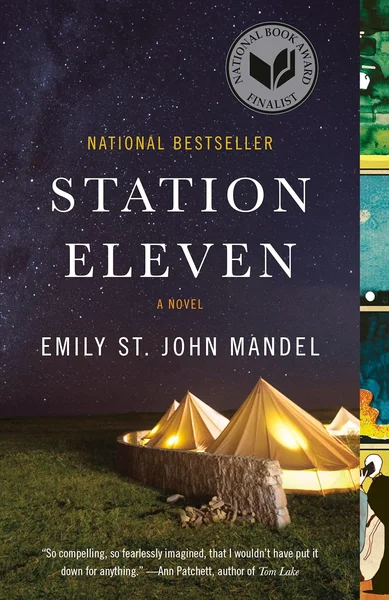
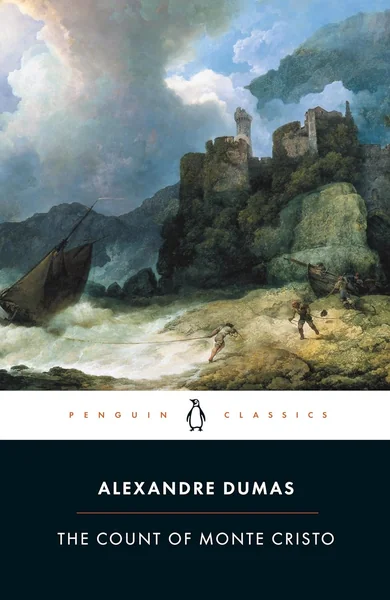
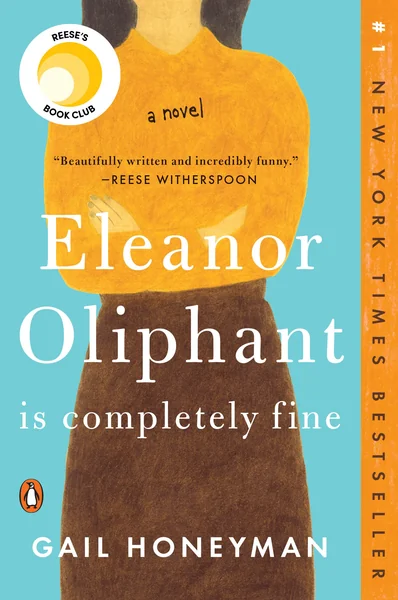
- Readers who respond to Isola's blend of survival drama, feminist perspective, and historical literary weight will find strong companions in the curated titles below. Ariel Lawhon's The Frozen River similarly brings a real historical woman to vivid life with a strong sense of place and a female protagonist operating against the grain of her era. Delia Owens' Where the Crawdads Sing shares the isolated natural setting, a resourceful lone female survivor, and the same quality of lush, atmospheric storytelling that People noted in Isola. Emily St. John Mandel's Station Eleven offers a different kind of survival narrative — post-apocalyptic rather than historical — but matches Isola's literary seriousness and meditation on resilience. For readers drawn to stories of dramatic abandonment and determined self-reinvention, Alexandre Dumas' The Count of Monte Cristo provides a classic point of comparison, while Gail Honeyman's Eleanor Oliphant Is Completely Fine echoes the novel's deep psychological interiority and portrait of a woman reconstructing herself from profound isolation.
- Who should read this?
- Isola is best suited to literary fiction readers with an appetite for historical survival narratives told from a feminist perspective. Its Reese's Book Club selection connects it to readers who value emotionally resonant, character-driven stories, while its sweep of Best Book designations from outlets like The New York Times Book Review and The Washington Post confirms its appeal to more traditionally literary audiences. Readers who particularly enjoy stories of women operating against the grain of their era — where survival is physical, spiritual, and moral all at once — will find Marguerite a protagonist rendered with sustained, disciplined care. It is less suited to readers who prefer multi-perspective historical epics, subplot-rich narratives, or secular survival stories.
- About Allegra Goodman
- Allegra Goodman is an American writer based in Cambridge, Massachusetts.
- What are the main themes?
- Isola's central themes are survival, faith, defiance, and feminist literary recovery. The physical survival story — Marguerite abandoned on a remote island as ice closes in — is inseparable from her spiritual and moral transformation, making faith a structural element of the narrative rather than a peripheral concern. TIME situated the novel within a broader cultural conversation about whose stories get told, describing it as 'a feminist castaway tale about love, faith, and self-actualization,' while Literary Hub framed Goodman's historical recovery project — her insistence that 'all young girls have stories and lives worth sharing' — as one of the novel's defining strengths.
- Is it a good book club pick?
- Isola is an excellent book club selection — its status as Reese's Book Club's February 2025 pick is itself a strong endorsement of its discussion potential. The novel's themes of survival, faith, feminist historical recovery, and the reclamation of forgotten women's stories give groups rich material to explore. Its deliberate focus on a single protagonist's interiority also makes it well suited to close character-based discussion: Marguerite's choices, her spiritual transformation, and the question of what survival actually costs are all threads that reward extended conversation.
Summarize this book
Follow up
Synthesized from verified book data & published reviews · How we review
Press Enter to ask. Answers come from our editorial Q&A — start typing to see related questions.
Age & Reading Level
Recommended age
Adult
Reading level
Adult
3 content notes · who it suits
Content to know about
Skip if you prefer secular historical fiction or multi-perspective narratives with subplot-rich casts
Editorial Review
Allegra Goodman's Isola is a national bestseller and Reese's Book Club pick that draws on the true story of a sixteenth-century woman marooned on an island, delivering what Vogue called "an extraordinary book that reads like a thriller, written with the care of the most delicate psychological and historical fiction."
Read the Full ReviewBooks like Isola
Curated picks for readers who enjoyed Isola, with our reasoning for each match.
If you liked Isola