9 min read
4.6
· 10,090 Amazon ratingsShare This Review

Our review
Reaper Man
Reaper Man by Terry Pratchett Review: A Mortality Meditation With Real Bite
Reaper Man is the eleventh Discworld novel and the second to centre on Death, who is forcibly retired by the Auditors of Reality for the crime of developing a personality. It earns attention for balancing genuine philosophical weight about life, friendship, and mortality against the full comic machinery of the Discworld series.


 Tap to enlarge
LuvemBooks Verdict
Best for
Discworld fans ready to see Pratchett at a creative turning point — readers who want comic fantasy that earns genuine emotional weight alongside its satire, particularly those drawn to the Death sub-series or to stories that treat mortality and friendship as serious philosophical territory.
Worth it if
Worth reading if you want comic fantasy that holds grief and laughter in equal measure, and can embrace a dual-narrative structure that balances a quietly pastoral Death storyline with riotous Ankh-Morpork undead comedy.
Skip if
Skip it if you expect the Death storyline to carry the whole novel, or if tonal shifts — particularly the satirical shopping-mall antagonist — risk pulling you out of a story's spell rather than deepening it.
What readers & critics say
Reader and blogger reception is warmly positive, with sources such as toughguybookclub.com praising the novel's humour alongside its emotional gut punches, and eyrie.org highlighting the surprisingly touching friendship between Death and Miss Flitworth as engaging reading. The Book Smugglers (thebooksmugglers.com) describe the character of Miss Flitworth as almost heart-breaking, while fanfiaddict.com notes that after a lukewarm reaction to Mort, Reaper Man "absolutely landed," singling out Pratchett as the original master of cosy fantasy.
Sources: Tough Guy Book Club, eyrie.org, The Book Smugglers, FanFiAddictPreview the book

Ask LuvemBooks
Was this helpful?
- Is it worth reading?
- Reaper Man is considered a standout entry in the Discworld sequence and a notable marker of Pratchett's evolving craft — the Vacuous Wastrel re-read series argues it is the point at which Pratchett began to conceive Discworld as a genuine, interconnected series rather than a loose collection of comic fantasies. The Bill Door and Miss Flitworth storyline has drawn praise as among the most emotionally rich material in the early-to-mid Discworld sequence, and readers at Tough Guy Book Club have cited its blend of humour and emotional gut punches as equally defining qualities. The main caveat is that the shopping-mall antagonist has struck some readers as tonally confusing, and the dual-narrative structure may initially disorient those expecting Death to dominate throughout.
- Similar books
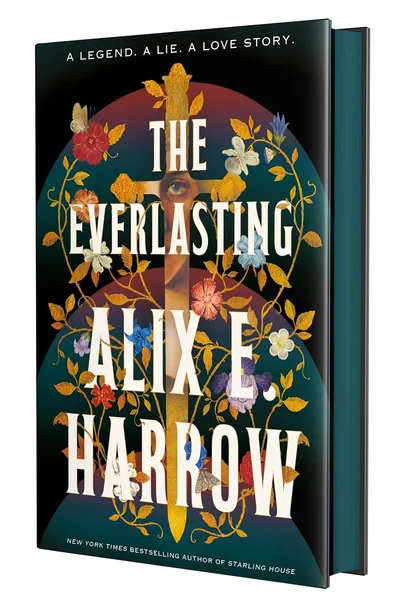
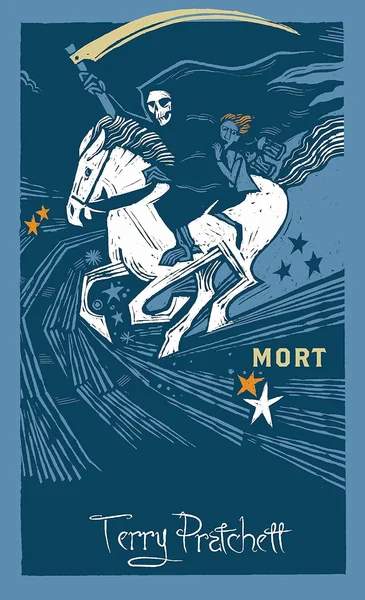
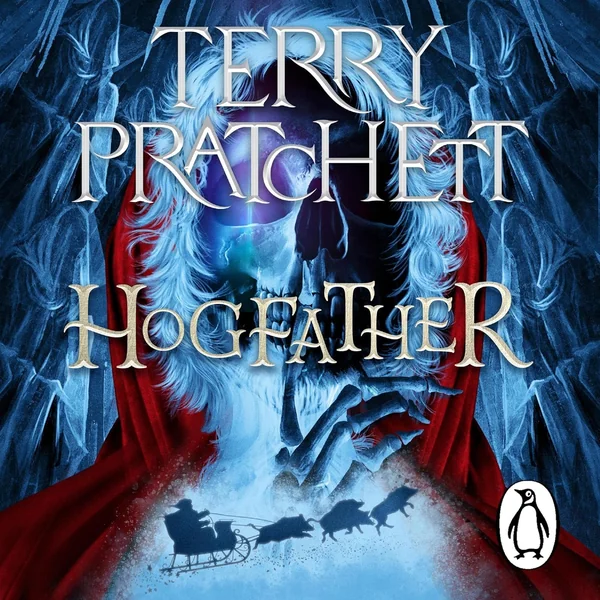
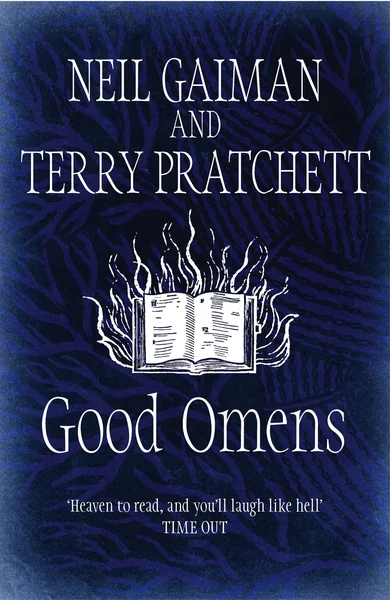
- Readers who connect with Reaper Man's blend of comic fantasy and meditations on mortality will find natural companions in the curated selection below. Mort, the first Death-centred Discworld novel, is the most direct predecessor and essential context for the Bill Door arc. Hogfather is another Death sub-series entry that balances Pratchett's satirical invention with genuine philosophical stakes. Good Omens, co-written by Pratchett and Neil Gaiman, shares Reaper Man's gift for treating cosmic bureaucracy and mortality as comedy without diminishing either. For fantasy that takes an equally serious approach to immortality and the weight of time, The Invisible Life of Addie LaRue by V.E. Schwab and The Everlasting by Alix E. Harrow offer compelling alternatives outside the Discworld universe.
- Who should read this?
- Reaper Man is particularly well-suited to two kinds of reader: fans of comic fantasy who want Pratchett in full satirical flight — skewering bureaucracy, consumerism, and institutional thinking through the Auditors of Reality and the Fresh Start Club — and readers drawn to Discworld's more introspective side, who will find the Bill Door chapters among the most quietly serious material in the early-to-mid sequence. Those new to Pratchett who enjoy fantasy with genuine philosophical stakes, as well as long-running fans revisiting the Death arc, are both well served. Readers who prefer a single-protagonist narrative or a tidily resolved antagonist may find the dual-narrative structure and the shopping-mall plot thread less satisfying.
- About Terry Pratchett
- Terry Pratchett was a beloved British fantasy author best known as the creator of the Discworld series. Celebrated for his satirical wit, he sold over 85 million books worldwide, making him one of the most widely read British authors of his generation.
- What are the main themes?
- Reaper Man's central themes are mortality, the value of lived experience, and what it means to have a personality in a universe that prefers efficient anonymity. Death's time as Bill Door with Miss Flitworth poses genuine questions about friendship and whether an immortal can truly understand life only by living it finitely. Running in parallel, the novel satirises bureaucracy through the Auditors of Reality, consumerism and the homogenisation of cities through the shopping-mall antagonist, and institutional indifference through the Fresh Start Club's undead-rights advocacy. Pratchett's underlying argument — that comedy and grief are not opposites — threads all of these strands together.
- Where does this fit in the Discworld series?
- Reaper Man is the eleventh novel in the 41-book Discworld sequence and the second entry in the Death sub-series, following Mort. Its title is a deliberate reference to Alex Cox's film Repo Man, signalling the culturally playful sensibility at work. Commentary from the Vacuous Wastrel re-read series positions it as a turning point in the sequence — the novel at which Pratchett began to conceive Discworld as a genuine, interconnected series rather than a loose collection of standalone comic fantasies, showing greater structural awareness and series continuity than earlier entries.
- How does it compare to other Pratchett books?
- Among the Discworld novels LuvemBooks has reviewed, Reaper Man stands out for the seriousness of its emotional ambitions alongside its comedy — the Bill Door chapters are among the most quietly affecting material in the early-to-mid sequence. Compared to the earliest Discworld entries such as The Colour of Magic and The Light Fantastic, Reaper Man shows a marked increase in structural awareness and series continuity, a shift that commentators like Vacuous Wastrel have specifically identified. Soul Music, another Death sub-series entry, shares its capacity for emotional resonance, while Making Money and Raising Steam represent Pratchett's later, more politically focused register.
Summarize this book
Follow up
Synthesized from verified book data & published reviews · How we review
What would you like to know about Reaper Man?
Answers come from our editorial notes on this book. If we haven't covered something, we'll say so.
Readers often ask
Our Review
This review covers the book's content, premise and published critical reception, not a first-hand reading.
What the Novel Is About
Place in the Discworld Series
What the Novel Does Well
Genuine Limitations and Points of Friction
Who This Novel Is For
Sources & Further Reading
The key facts and claims in this review are grounded in the retrieved, verified sources listed below.
- 1
Terry Pratchett, LuvemBooks
- 2
en.wikipedia.org
- 3
terrypratchettbooks.com
- 4
toughguybookclub.com
- 5
- 6
- 7
musewithmeblog.com
- 8
wiki.lspace.org
- 9
theturtlemoves.com
Age & Reading Level
Recommended age
Adult
Tropes
From how readers and romance sites describe it, not our own reading.
2 content notes · who it suits
Content to know about
Skip if you want a single-protagonist story with a clearly resolved antagonist and consistent tone throughout.
Reader reviews
Be one of the first readers to answer.
Read it? Was it right for you?
Books like Reaper Man
Curated picks for readers who enjoyed Reaper Man, with our reasoning for each match.
More by Terry Pratchett
If you liked Reaper Man