Skip to content
Reviewed

Updated

Read Time

8 min read

Our age bandAdult
Reader rating
4.6 · 9,036 Amazon ratings, as of Nov 2026
reader ratings, not a LuvemBooks score
Curated & edited by

LuvemBooks Editorial

How we create our reviews →
Share This Review
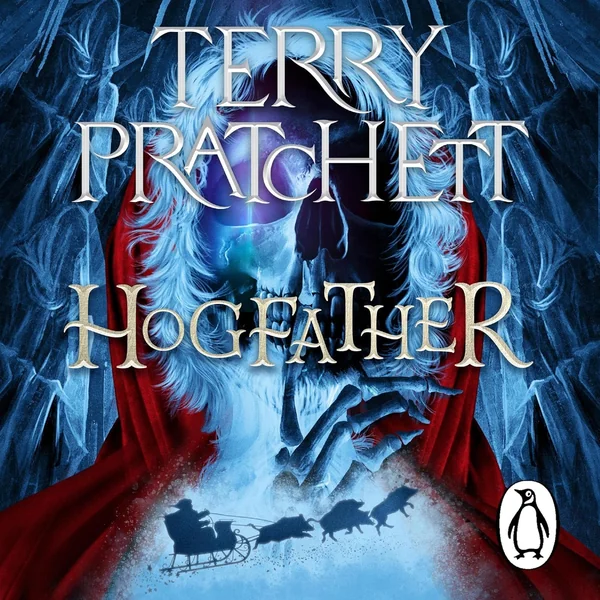
Hogfather: Discworld, Book 20 by Terry Pratchett front cover

Our review

Hogfather

Hogfather: Discworld, Book 20 by Terry Pratchett Review: A Satirical Holiday Mystery

Hogfather: Discworld, Book 20 by Terry Pratchett follows Death and his granddaughter Susan as they investigate the disappearance of the Hogfather. The Harper Perennial paperback edition released in March 2025 presents a darkly comedic exploration of belief and mythology.

Our age band: Adultdescriptions of hangover effects · dense allegorical detours

LuvemBooks Verdict

Best for

Readers who enjoy darkly comedic explorations of belief and mythology will appreciate its sharp wit.

Worth it if

Worth reading if you seek a story that explores justice and mercy.

Skip if

Skip it if you dislike dense allegorical detours.

Where reviewers agree and split

Readers rate it 4.6 on Amazon. The reviews we read that discuss it in depth split on some points:

  • Mixed

    Eyrie · Book blog: mixed bag with fun parts but muddled logic

  • Positive · 3 stars

    Adventures in Pop Culture · Book blog: enjoyable humor and characters despite initial confusion

  • Mixed

    Fanfi Addict · Book blog: enjoyable but overly absurd, lacking earlier series impact

    Overall verdicts are our summary of each review we read, from its headline, rating and conclusion.

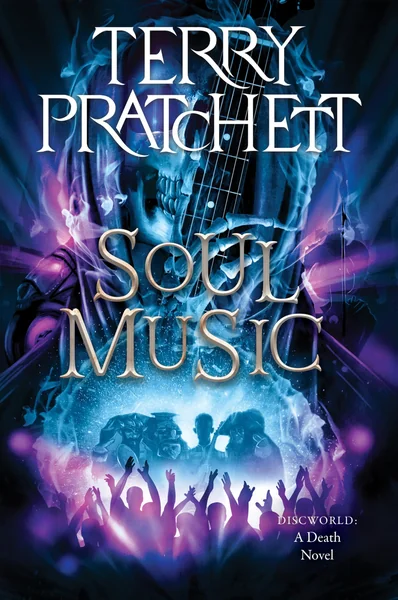
    Eyrie calls the metaphysical logic muddled and advises starting with Mort or Soul Music instead.

    Sources: Eyrie, Adventures in Pop Culture, Doux Reviews, Fanfi Addict
    4.6from 9,036 Amazon ratings, as of Nov 2026— reader ratings, not a LuvemBooks score

    Ask LuvemBooks

    Was this helpful?

    Hogfather follows Death and his granddaughter Susan as they investigate the disappearance of the Hogfather, unraveling a mythological conspiracy by celestial bureaucrats. LuvemBooks finds it a sharp, darkly comedic satire that rewards readers who enjoy layered allegory, though those seeking a simple narrative may find its dense philosophical detours and shifting tones disorienting.
    Is it worth reading?
    The book delivers a sharp satire, balancing absurdist humor with serious questions about justice and belief. Those seeking a narrative that explores mercy will find it compelling, while others may prefer simpler stories.
    Similar books
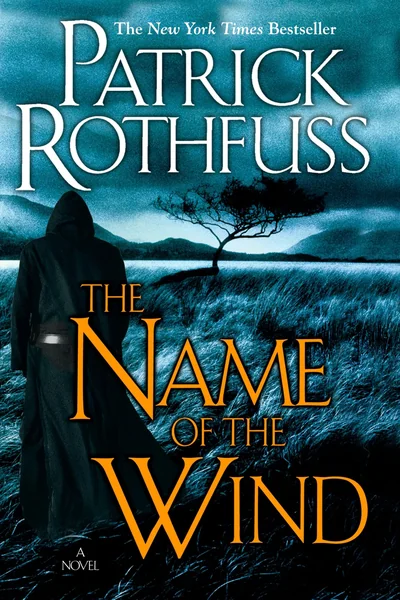
    For readers drawn to mythological conspiracies and bureaucratic fantasy, Reaper Man by Terry Pratchett explores similar themes of celestial entities and how belief sustains reality. Mort by Terry Pratchett provides essential context for Death's character and the foundational rules of the Discworld. Those interested in layered settings that examine how myths shape identity will appreciate The Name of the Wind by Patrick Rothfuss, while readers exploring the power of belief and cultural memory may connect with The Invisible Life of Addie LaRue by V.E. Schwab.
    Who should read this?
    LuvemBooks identifies this edition as best for readers who enjoy explorations of belief and satire. It appeals to fans of mythological fantasy who appreciate intricate symbolism and are willing to navigate dense philosophical detours. The review explicitly notes it is not suited for those seeking a simple holiday story or straightforward plot.
    What age is it for?
    Written for adults, the book explores complex metaphysical themes and contains descriptions of hangover effects that may not suit younger readers. The review notes that the dense narrative requires sustained attention and that its complex ideas may feel contradictory or frustrating to skeptical audiences. The edition is designed for readers comfortable with satirical content and intricate symbolism.
    About Terry Pratchett
    Sir Terry Pratchett OBE (1948–2015) was an English author born in Beaconsfield, Buckinghamshire, best known for the satirical fantasy Discworld series.
    Is there a film or TV adaptation?
    A two-part TV film version of Hogfather was screened on Sky One in the UK in December 2006, with Ian Richardson providing the voice of Death.
    Summarize this book

    Summarize this book

    With the mythical figure missing, Death substitutes himself for the holiday, while Susan investigates the conspiracy before reality collapses. The story weaves together dark comedy and philosophical inquiry as literal interpretations of festive traditions clash with bureaucratic metaphysics.

    Follow up

    Is the plot easy to follow?
    Can it be read standalone?

    Synthesized from verified book data & published reviews · How we review

    Ask LuvemBooks

    What would you like to know about Hogfather?

    Answers come from our editorial notes on this book. If we haven't covered something, we'll say so.

    Readers often ask

    Our Review

    We review the evidence: reader verdicts, gathered and weighed with AI assistance and edited by LuvemBooks, rather than one reader's first-hand take.

    Readers seeking a sharp satire with mythological stakes should pick up this edition. Readers wanting a simple holiday story might look elsewhere.
    The Harper Perennial paperback edition of this 1996 fantasy novel delivers a layered exploration of belief and justice. Readers seeking a straightforward holiday tale may find its dense allegory and shifting tones challenging to navigate.

    Plot and Premise of Hogfather: Discworld, Book 20

    The publisher synopsis outlines a world where belief literally sustains reality. The mythical Hogfather vanishes on Hogswatchnight, prompting Death to step in as his substitute.
    Death's granddaughter, Susan, a gothic governess, must locate the missing figure before reality collapses. The Auditors of Reality, a group of celestial bureaucrats first mentioned in Reaper Man, hire the Assassin's Guild to eliminate the Hogfather.
    Death attempts to maintain faith in the holiday through literal interpretations of its traditions.
    Albert, his manservant, struggles to manage Death's overly earnest and physically dangerous attempts at gift-giving. The narrative follows these intersecting paths as the holiday approaches.
    The Auditors of Reality operate under strict rules that forbid direct interference. They instead rely on mortal agents to carry out their metaphysical agenda.
    This theft creates a cascade of belief that threatens the entire Discworld.
    Death's substitution brings both humor and danger to the festive season. His literal understanding of holiday customs leads to unintended consequences.
    Albert must constantly intervene to prevent Death from causing physical harm while fulfilling his duties. The resulting chaos drives the central mystery forward.

    Critical Reception and Thematic Tension

    Eyrie labeled the novel a mixed bag, noting it contains fun parts but suffers from muddled logic, ultimately calling it an "overall, a mixed bag". Adventures in Pop Culture found the humor and characters enjoyable despite initial confusion, awarding three stars and noting they "really enjoyed meeting all these characters".
    Fanfi Addict also delivered a mixed assessment, finding the story enjoyable but overly absurd and lacking earlier series impact, which "soured my enjoyment slightly". The combined feedback indicates that readers approach the narrative with varying expectations.
    Some appreciate the character interactions and comedic moments, while others find the logical inconsistencies and heightened absurdity difficult to reconcile. Ultimately, the critical response remains split between those who value the cast and those who prioritize structural cohesion.
    Reading Bug appreciates the passage where Death explains the necessity of belief, calling it a powerful moment where "the falling angel meets the rising ape." Fanfi Addict finds Teatime "utterly terrifying" and categorizes the novel as a "comfort book" that balances joy with fear and nightmares.
    Conversely, the book blogger behind Eyrie calls the work a mixed bag due to its metaphysical logic. They argue that the philosophical framework is "weirdly unsatisfying" and "muddled," particularly regarding how belief shapes the Discworld's reality.
    This reviewer also advises starting with Mort or Soul Music instead, noting that Susan's character development is better served in earlier volumes. The book blogger behind Adventures in Pop Culture found the narrative dense, requiring significant focus to track the multiple plot threads and passing jokes.
    The reception reveals a clear divide between fans of Pratchett's allegorical style and readers who prefer straightforward plots. Some embrace the dark humor as a festive comfort read.
    Others find the philosophical arguments contradictory and frustrating. The novel points toward readers who enjoy Terry Pratchett's satirical world-building and character-driven humor.

    What the Reception Adds Up To

    Weighing these reviews reveals a central tension between emotional comfort and intellectual skepticism. The reception highlights who should pick up this edition.
    This is best for readers who enjoy Terry Pratchett's satirical world-building and character-driven humor. They will appreciate the blend of absurdity and philosophical weight.
    It is worth it if seeking a festive comfort read that uses dark humor to explore justice and mercy. The narrative rewards patience with its layered mythological stakes.
    It is best skipped if preferring straightforward holiday tales or disliking dense allegorical detours. Skeptical readers may find the philosophical arguments contradictory and unresolved.
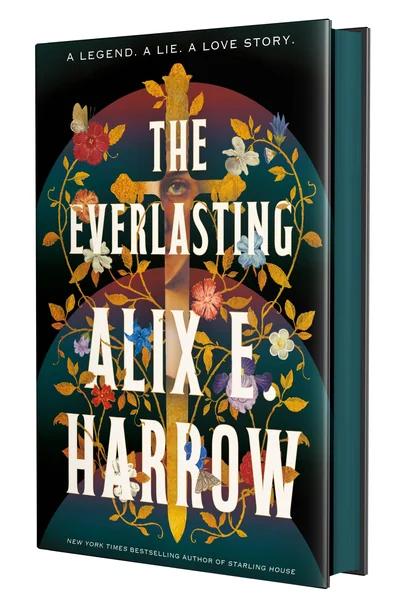
    Readers seeking similar thematic explorations might also look at Reaper Man, Mort, and Soul Music. Those interested in comparative mythological fantasy could explore The Name of the Wind, Addie LaRue, and The Everlasting.

    Practical Considerations for Readers

    The Harper Perennial paperback edition released on March 11, 2025, spans 384 pages. It serves as the fourth book in the Death series but functions as the twentieth novel in the broader Discworld canon.
    The publisher states that the novels can be read in any order, though earlier recommendations suggest starting with specific titles for better context. Some readers note that the narrative technique deliberately withholds exposition, dropping them directly into the action.
    This structural choice can make the early chapters feel disorienting for new audiences. The book contains descriptions of hangover effects that may distract some readers from the plot.
    It also explores themes of fear and nightmares alongside its comedic elements. The edition provides a durable format for collectors and new readers alike.
    Readers should be aware that the humor relies heavily on cultural references and mythological parody. Understanding the broader Discworld lore will enhance the reading experience significantly.

    Thematic Depth and Satirical Edge

    Pratchett uses the holiday setting to examine how societies construct meaning through shared myths. The narrative challenges readers to consider the value of belief in an increasingly cynical world.
    The novel balances dark comedy with genuine emotional resonance throughout its plot. Readers will encounter moments of profound reflection alongside absurd humor.
    The author's prose remains sharp and accessible despite the complex philosophical underpinnings. The satire targets human nature rather than specific religious doctrines.
    This approach ensures the story appeals to both fantasy enthusiasts and literary critics alike. The thematic weight elevates the plot beyond a simple mystery.

    Sources & Further Reading

    The key facts and claims in this review are grounded in the retrieved, verified sources listed below.

    1. Cited in this review
    2. 1

      en.wikipedia.org

    3. Further reading
    4. 2

      Terry Pratchett, LuvemBooks

    5. 3

      terrypratchettbooks.com

    6. 4
    7. 5
    8. 6
    9. 7
    10. 8

      Doux Reviews

    11. 9

      Fanfi Addict

    Age & Reading Level

    Our age band

    Adult

    Our age band groups books for browsing; it isn't an age a review gave.

    Content to know about

    descriptions of hangover effects
    dense allegorical detours

    Skip if you prefer straightforward holiday tales or dislike dense allegorical detours

    From our readers

    Reader reviews

    No LuvemBooks readers have answered yet.

    Read it? Was it right for you?

    Books like Hogfather

    Curated picks for readers who enjoyed Hogfather, with our reasoning for each match.

    Discussion

    Reader comments