9 min read
4.6
· 24,070 Amazon ratingsShare This Review

Our review
Howl's Moving Castle
Howl's Moving Castle by Diana Wynne Jones Review: A Subversive, Beloved Fantasy Classic
Howl's Moving Castle is a 1986 fantasy novel by Diana Wynne Jones in which Sophie Hatter, cursed into the body of an old woman by the Witch of the Waste, strikes a bargain with a fire demon to break the spell — all while navigating the chaotic household of the vain but good-natured Wizard Howl. It won the Phoenix Award and inspired a Studio Ghibli film, cementing its place as one of the most enduring works of modern fantasy.
LuvemBooks Verdict
Best for
Readers who love character-driven fantasy with a witty, unconventional heroine and enjoy fairy-tale conventions being gleefully dismantled rather than straightforwardly followed.
Worth it if
Worth reading if you relish intricate, humour-laced fantasy plotting, are drawn to heroines whose apparent disadvantage becomes their greatest freedom, and don't mind piecing together a layered puzzle of a story whose threads only resolve at the very end.
Skip if
Skip it if you prefer a clear-cut hero's journey with a single identifiable villain and a linear plot, or if you're coming to the book hoping for the anti-war themes and redemptive character arcs of Miyazaki's 2004 film adaptation.
What readers & critics say
Wikipedia records that the novel was a runner-up for the Boston Globe–Horn Book Award on first publication and later won the Phoenix Award — a prize for children's books that gain stature over time — and notes it is Diana Wynne Jones's work most widely held in participating libraries. The Guardian's reviewer describes encountering Howl as "a bona fide star of bedtime reading" and credits Jones with "poking fun at the comfortable clichés of fantasy fiction," while Fountaindale Public Library's write-up characterises the novel as a "giant jigsaw puzzle of a fantasy" in which identities are exchanged and destinies intertwined.
“Jones is busy poking fun at the comfortable clichés of fantasy fiction — Howl is a bona fide star of bedtime reading.”
— The GuardianAsk LuvemBooks
Was this helpful?
- Is it worth reading?
- For readers drawn to character-driven fantasy and fairy-tale deconstruction, Howl's Moving Castle is a genuine classic that has more than earned its status. Sophie Hatter is a genuinely original heroine whose curse paradoxically liberates rather than defeats her, and Jones's use of Ingary's fairy-tale rules as both setting and comic engine is clever throughout. The novel's densely interlocking plot — with exchanged identities, multiple threads, and late revelations — demands attentive reading, and it differs substantially from the beloved Miyazaki film adaptation in tone and theme. Those seeking a straightforward hero's journey may find Jones's layered ironies an acquired taste, but patient readers will find the payoff rewarding.
- Similar books
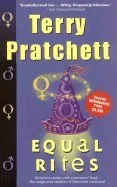
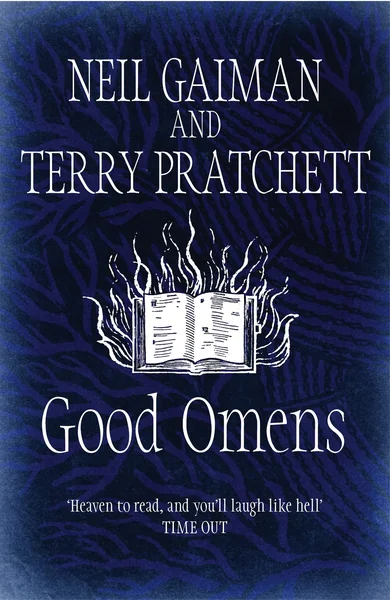
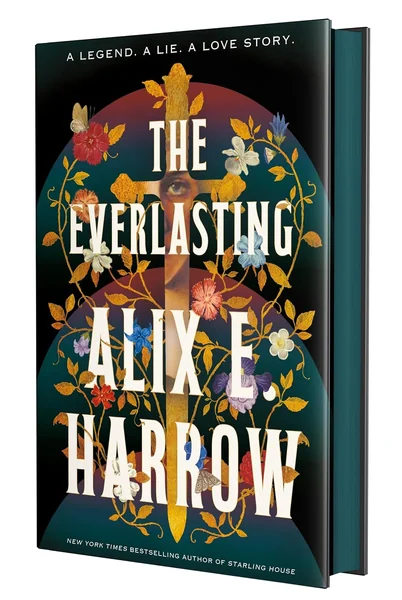
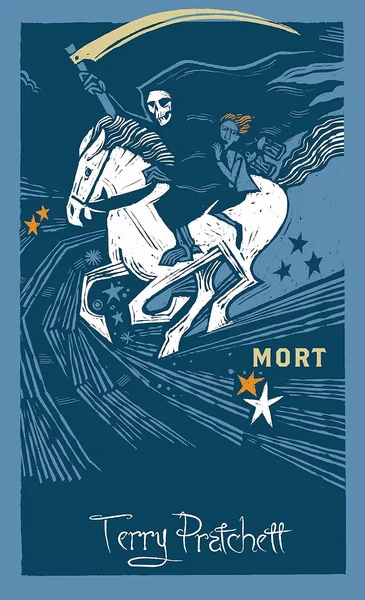
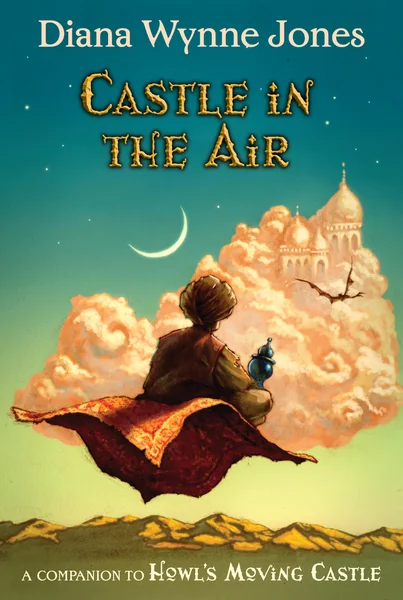
- Readers who enjoy Howl's Moving Castle's witty fairy-tale deconstruction and layered world-building will find a natural companion in Castle in the Air by Diana Wynne Jones, the direct sequel set in the same world. For similarly playful, humour-driven fantasy with subversive wit, Equal Rites and Mort by Terry Pratchett are excellent choices, as is Good Omens by Terry Pratchett and Neil Gaiman. Those drawn to the novel's character-driven magic and sense of wonder may also enjoy The Everlasting by Alix E. Harrow.
- Who should read this?
- Howl's Moving Castle is ideal for readers who love character-driven fantasy, fairy-tale deconstruction, and witty, intricate plotting. Sophie Hatter's arc — in which a curse becomes an unlikely form of freedom — will particularly appeal to readers who appreciate heroines who are blunt, self-directed, and unconventional. The novel has long crossed from children's literature into general fantasy, and its adult readership is substantial. Those who want a clear hero's journey with a single villain and a straightforward resolution may find Jones's layered ironies an acquired taste.
- What age is it for?
- Best for ages 10 and up, in line with the publisher's own reading-age guidance. The novel's densely interlocking plot, multiple intertwined threads, and late-arriving revelations suit confident, patient readers; younger or less experienced readers may find the circuitous structure challenging. The novel has long attracted a substantial adult readership alongside its younger audience.
- About Diana Wynne Jones
- Diana Wynne Jones was a British novelist, poet, academic, literary critic, and short story writer. Howl's Moving Castle is her most widely held work in participating libraries, and she also developed the story into a series, with Castle in the Air and House of Many Ways following the original novel.
- Tell me about the adaptation
- The 2004 Studio Ghibli film directed by Hayao Miyazaki — nominated for the Academy Award for Best Animated Feature — introduced Howl's Moving Castle to an enormous new global audience and helped cement the novel as an international bestseller. However, the film and the book differ substantially in emphasis: the film foregrounds anti-war themes and gives the Witch of the Waste a redemptive arc, while the novel leans heavily into humour, Sophie's hidden magic, and internal fairy-tale logic. Readers who encounter the book through the film should expect a meaningfully different experience — not a lesser one, but a distinct one.
- How does it compare to Castle in the Air?
- Castle in the Air is the direct sequel to Howl's Moving Castle, set in the same world of Ingary but following a new protagonist before reintroducing familiar characters. Howl's Moving Castle tells a fully self-contained story, so readers need not continue to the sequel — but those who enjoy Sophie's world and Jones's fairy-tale subversion will find Castle in the Air a natural continuation. LuvemBooks has reviewed Castle in the Air for readers who want to explore further.
Summarize this book
Follow up
Synthesized from verified book data & published reviews · How we review
What would you like to know about Howl's Moving Castle?
Answers come from our editorial notes on this book. If we haven't covered something, we'll say so.
Readers often ask
Our Review
What the Story Actually Is
Significance and Recognition
What Jones Does Brilliantly
Where It Can Challenge Readers
Who This Book Is For
Sources & Further Reading
The key facts and claims in this review are grounded in the retrieved, verified sources listed below.
- Cited in this review
- 1
en.wikipedia.org
- 2
barnesandnoble.com
- 3
- 4
- Further reading
- 5
Diana Wynne Jones, Wikipedia
- 6
- 7
- 8
colinsreview.com
- 9
writinginobscurity.com
- 10
alankdell.co.uk
- 11
catherinerosegunther.com
- 12
booksaremythirdplace.com
Age & Reading Level
Recommended age
Ages 8–12
Reading level
Middle grade
Tropes
From how readers and romance sites describe it, not our own reading.
who it suits
Best for: Ages 10+ — the densely interlocking plot, exchanged identities, and late-arriving revelations suit confident, patient readers rather than very young children.
Skip if you want a linear hero's journey with a single clear villain and a straightforward resolution.
Reader reviews
Be one of the first readers to answer.
Read it? Was it right for you?
Books like Howl's Moving Castle
Curated picks for readers who enjoyed Howl's Moving Castle, with our reasoning for each match.
More by Diana Wynne Jones

If you liked Howl's Moving Castle