9 min read
4.8
· 567 Amazon ratingsShare This Review

Our review
Mort (Discworld Hardback Library) by Terry Pratchett Review: A Career-Defining Comic Fantasy Classic
Mort, Terry Pratchett's fourth Discworld novel — originally published in 1987 and available in a collector's hardback edition from Gollancz — is widely regarded as the book that cemented his reputation as a master of comic fantasy, following the hapless apprentice Mort as he takes on the job of Death itself, with hilariously complicated results.
LuvemBooks Verdict
Best for
Readers new to Terry Pratchett or the Discworld Death sub-series who want a comic fantasy with genuine narrative stakes, a surprisingly poignant central character, and no prior series knowledge required.
Worth it if
You enjoy satirical fantasy that pairs relentless wit with a philosophically interesting premise — what happens to causality when death is denied? — and don't mind entering a sprawling fictional universe you may never want to leave.
Skip if
You prefer the more emotionally layered, contemplative register of Pratchett's later work (Small Gods, Night Watch) or find sustained satirical energy and absurdist plotting more exhausting than exhilarating.
What readers & critics say
Fantasy Book Review calls it "a wonderful book" and "a remarkable achievement" for making death both amusing and warm-hearted, while Fantasy Hive describes it as "fast-paced, funny and satisfying" and the most focused, coherent Discworld entry up to that point in the series. The Independent, quoted via penguin.co.uk, goes further: "If you're going to read just one Discworld novel, make it Mort."
Sources: Fantasy Book Review, Fantasy Hive, Penguin.co.ukAsk LuvemBooks
Was this helpful?
- Is it worth reading?
- For readers drawn to comic fantasy, Mort is a landmark work — the novel in which, according to critic Dave Langford reviewing in White Dwarf, Pratchett decisively 'sussed the combination of hilarity with a tortuous plot.' The BBC's 2003 Big Read public vote confirmed its standing, with Mort chosen as the most popular of all Pratchett's novels and placing in the overall Top 100 of the nation's best-loved books. Readers who want the more emotionally layered, philosophically complex Pratchett of later works like Small Gods or Night Watch may find the characterisation here lighter, but as an entry to the Death sub-series and as a pivotal moment in one of fantasy's great runs, it is widely regarded as essential.
- Similar books
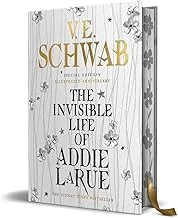
- Readers who enjoy Mort's blend of wit, mortality, and fantastical world-building may find rewarding companions in the curated selection below. The Invisible Life of Addie LaRue by V.E. Schwab shares Mort's fascination with the price of defying fate and mortality, though in a more emotionally grounded register. The Everlasting by Alix E. Harrow similarly explores what it means to cheat death and the consequences that follow. For those drawn to Mort via Pratchett himself, Hogfather and Eric — both by Pratchett — return to the Discworld's darkly comic universe, and Douglas Adams' The Hitchhiker's Guide to the Galaxy offers a kindred spirit in satirical, philosophical science-fantasy comedy.
- Who should read this?
- Mort is ideal for adult readers coming to Pratchett for the first time who are curious about the Death sub-series, as well as established Discworld fans looking to revisit where the Death character found his footing. It suits readers who enjoy comic fantasy with genuine philosophical wit — those who appreciate a story built around a real conceit (what happens to causality when death is denied?) rather than pure slapstick. Readers seeking quieter, more contemplative fantasy, or the deeper emotional complexity of Pratchett's later works like Small Gods or Night Watch, may find the relentless satirical energy demanding and the characterisation lighter than they prefer.
- About Terry Pratchett
- Terry Pratchett was a beloved British fantasy author best known for the Discworld series, celebrated for his satirical wit and having sold over 85 million books worldwide.
- How does Mort compare to the earlier Discworld novels?
- Pratchett himself acknowledged on BBC Radio 4's Bookclub in 2004 that the earliest Discworld novels were essentially extended jokes at fantasy's expense, with plot serving mainly to hold the pages together. Mort marks a decisive turning point: critic Dave Langford, writing in White Dwarf, observed that after an imperfect experiment in Equal Rites, Pratchett had finally mastered 'the combination of hilarity with a tortuous plot.' Where The Colour of Magic and The Light Fantastic are primarily high-energy parodies of fantasy tropes, Mort builds its comedy around a genuine philosophical conceit — the fracturing of causality when death is denied — giving it narrative stakes that the earlier books largely avoided.
- Why is Mort considered Pratchett's most popular novel?
- In the BBC's 2003 Big Read public vote — a large-scale poll asking the British public to name their best-loved books — Mort was selected as the most popular of all Pratchett's novels and placed in the overall Top 100. This was a remarkable result for a single book from a series spanning dozens of titles, and it confirmed the novel's exceptional standing among Pratchett's readership. Critic Dave Langford had already identified it as the work where Pratchett mastered the combination of genuine plot complexity and sustained comedy, and reader enthusiasm has borne that assessment out across decades of reception.
Summarize this book
Follow up
Synthesized from verified book data & published reviews · How we review
Press Enter to ask. Answers come from our editorial Q&A — start typing to see related questions.
Our Review
What the Book Is and What It Does
Its Place in the Discworld Canon and Pratchett's Career
Strengths: Comedy with Structural Ambition
The Collector's Hardback Edition
Limitations and Fit
Sources & Further Reading
The key facts and claims in this review are grounded in the retrieved, verified sources listed below.
- Cited in this review
- 1
en.wikipedia.org
- 2
thewertzone.blogspot.com
- 3
terrypratchettbooks.com
- 4
bookey.app
- Further reading
- 5
Terry Pratchett, Wikipedia
- 6
discworldemporium.com
- 7
- 8
fantasybookreview.co.uk
- 9
jonathanfurneaux.com
- 10
bluejacketstudentnews.org
- 11
eyrie.org
- 12
fantasy-hive.co.uk
- 13
- 14
- 15
Age & Reading Level
Recommended age
Adult
Reading level
Adult
who it suits
Skip if you prefer contemplative, emotionally layered fantasy over relentless satirical comedy.
Reader reviews
No reader reviews yet
Read it? Be the first to say what you thought.
Books like Mort
Curated picks for readers who enjoyed Mort, with our reasoning for each match.
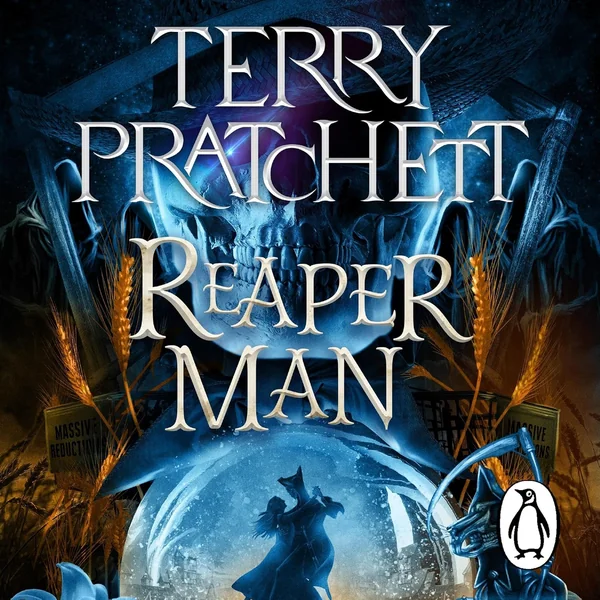
More by Terry Pratchett
If you liked Mort