BOOKS
Published

Read Time

3 min read

Curated & edited by

LuvemBooks Editorial

How we create our reviews →
Share This Review

The Shredded Chef by Michael Matthews Review: A Practical Muscle-Building Cookbook

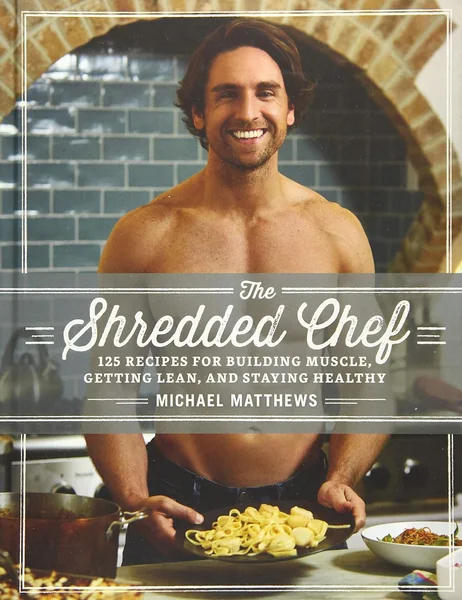
The Shredded Chef, Third Edition, is a hardcover cookbook by Michael Matthews — the bestselling author behind the Thinner Leaner Stronger series — containing 125 recipes designed around flexible dieting principles to help readers build muscle, get lean, and stay healthy, with over 200,000 copies sold across its editions.

LuvemBooks Verdict

Best for

Fitness-oriented readers actively pursuing muscle gain or fat loss who want a cookbook built around flexible dieting (IIFYM) principles — particularly those already familiar with Michael Matthews's Thinner Leaner Stronger series and comfortable with macro tracking.

Worth it if

Worth it if you're following a structured training programme, already have a working understanding of macronutrient targets, and want a cookbook whose recipes are designed to speak that same language rather than bolt nutrition data on as an afterthought.

Skip if

Skip it if you're new to macro tracking with no existing framework, if you're looking for a standalone culinary reference organised around cuisine, season, or creative cooking, or if you haven't engaged with Matthews's broader methodology — the book's nutritional philosophy lands best within that wider system.

What readers & critics say

AbeBooks notes the book is marketed as "Michael Matthews' bestselling flexible dieting cookbook with over 200,000 copies sold," reflecting sustained commercial traction across its editions. Amazon UK surfaces a Verified Purchase reader ("MotherofMany") who reports using the book's carbohydrate and protein ratios to lose weight while maintaining energy for tough workouts over four years — a rare data point for long-term, practical utility.

Sources: AbeBooks, Amazon UK
4.4from 5,284 Amazon ratings— reader ratings, not a LuvemBooks score
In This Review
  • What Works & What Doesn't
  • What the Book Is and What It Contains
  • Its Place in the Fitness-Cookbook Genre
  • Strengths: Methodology and Reader Reception
  • Limitations and Who May Be Frustrated
  • Who This Book Is genuinely For

What Works & What Doesn't

What Works
  • Over 200,000 copies sold across editions, demonstrating sustained real-world readership and relevance
  • Built around a clearly defined flexible dieting methodology rather than vague 'clean eating' language, giving readers a specific nutritional framework
  • Third edition status indicates the content has been revisited and refined over time
  • Designed to bridge the gap between fad-diet cookbooks and repetitive bodybuilding meal plans, offering variety within a performance-nutrition structure
  • Reader feedback (Amazon UK Verified Purchase) cites multi-year utility for weight loss and workout energy — suggesting durable, practical application
What Doesn't
  • Most useful to readers already familiar with macro tracking; those new to flexible dieting may need supplemental resources before the recipes are fully actionable
  • Positioned as Book 3 in the Thinner Leaner Stronger Series, meaning its nutritional philosophy is best understood within Matthews's broader system rather than as a standalone reference
  • Not suited for readers seeking a traditional culinary cookbook experience organized around cuisine, season, or creative cooking for its own sake
A fitness-focused cookbook grounded in flexible dieting, The Shredded Chef (Third Edition) by Michael Matthews positions itself squarely between the extremes of fad-diet recipe collections and bare-bones bodybuilding meal plans — and that deliberate middle ground defines its identity.

What the Book Is and What It Contains

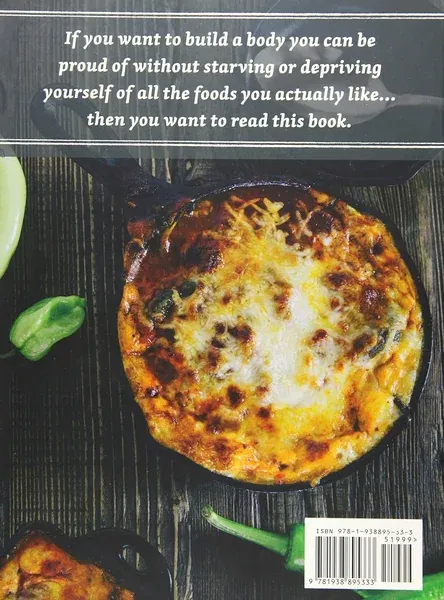
Back cover featuring tagline about body-building nutrition, baked egg dish with vegetables, and barcode.
Published in its third edition by Waterbury Publications Inc. in October 2016, The Shredded Chef is a hardcover cookbook edited by Andrea Lynn and presented as part of Michael Matthews's Thinner Leaner Stronger Series (Book 3 of 3). It contains 125 recipes built around the principles of flexible dieting — an approach centered on hitting specific macronutrient targets (carbohydrates, protein, and fat) rather than eliminating entire food groups or relying on so-called "fat-burning" superfoods. The publisher's own description explicitly distances the book from two common cookbook tropes: the miracle-promise recipe collection that guarantees a sculpted physique in 30 days, and the repetitive bodybuilding staple of endless chicken, rice, and oatmeal combinations. The stated goal is a livable, sustainable approach to eating for body composition.

Its Place in the Fitness-Cookbook Genre

Matthews built a substantial readership through his Thinner Leaner Stronger fitness series before expanding into the kitchen, and The Shredded Chef carries that series audience with it. With over 200,000 copies sold across its editions, the book has established a genuine foothold in the fitness-and-nutrition cookbook category — a space crowded with titles that often prioritize aspirational photography over practical nutritional structure. The cookbook's framing around flexible dieting (sometimes called IIFYM — "If It Fits Your Macros") gives it a specific and identifiable methodology rather than the vague "clean eating" language common to many competitors, which helps it stand apart as a reference with a defined framework.

Strengths: Methodology and Reader Reception

The book's core strength, reflected consistently in its reception, is its integration of macronutrient awareness directly into the recipe format. Rather than treating nutrition data as an afterthought appended to a recipe, the design intent is to make macro tracking actionable at the recipe level — a structure that serves readers who are already tracking their intake and need their cookbook to speak the same language. One Amazon Verified Purchase reviewer cited on Amazon UK, username "MotherofMany," describes using the carbohydrate and protein ratios and guidelines from the book to lose weight while maintaining energy for demanding workouts over a four-year span — a data point that reflects long-term utility rather than novelty. The book's longevity through three editions also signals that its content has been refined in response to real-world reader use.

Limitations and Who May Be Frustrated

Readers who are new to tracking macronutrients and have no existing framework for interpreting protein, carb, and fat targets may find the book's methodology requires supplemental reading before the recipes become fully useful. The Shredded Chef is part of a three-book series, and its nutritional philosophy is most coherent when a reader is already familiar with Matthews's broader approach — those arriving at this cookbook cold, without that context, may need to do additional groundwork. Additionally, readers seeking a traditional cookbook experience — one organized around cuisine type, seasonal ingredients, or purely culinary creativity — will find the book's body-composition orientation a poor match for those expectations. This is a performance-nutrition cookbook first, and its recipe selection and structure reflect that priority throughout.

Who This Book Is genuinely For

The Shredded Chef is aimed squarely at fitness-oriented readers who are actively pursuing muscle gain or fat loss and want their eating to support those goals without committing to a rigid or joyless diet. The flexible dieting framework it employs is permissive by design — no foods are categorically banned — which makes it a reasonable fit for readers who have struggled with the psychological friction of highly restrictive eating plans. It works best as a practical companion to a structured training program, particularly for readers already familiar with Matthews's Thinner Leaner Stronger methodology. Casual home cooks without a fitness goal driving their kitchen habits, or readers looking for gourmet or culturally diverse recipe collections, are not the intended audience and will likely find the book's priorities misaligned with their own.

Sources & Further Reading

The key facts and claims in this review are grounded in the retrieved, verified sources listed below.

  1. Cited in this review
  2. 1
  3. 2
  4. 3
  5. Further reading
  6. 4
  7. 5