7 min read
4.5
· 126 Amazon ratingsShare This Review
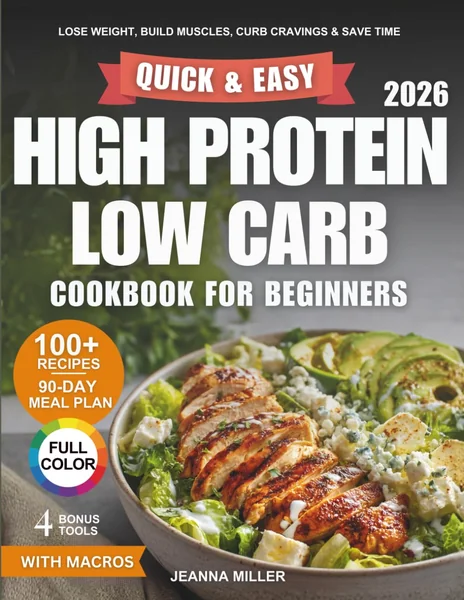
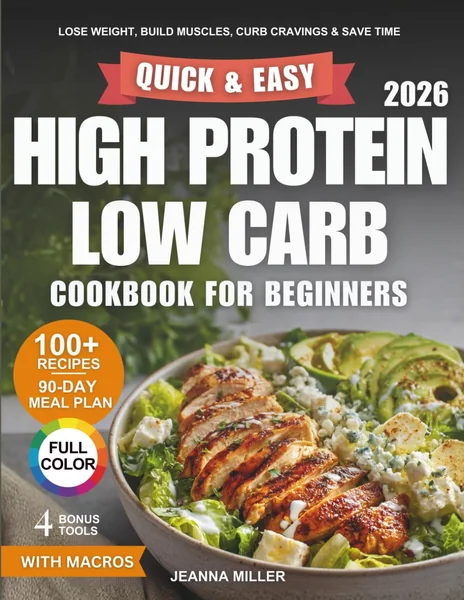
Quick and Easy High Protein Low Carb Cookbook for Beginners by Jeanna Miller Review: A Structured Start for Diet-Focused Cooks
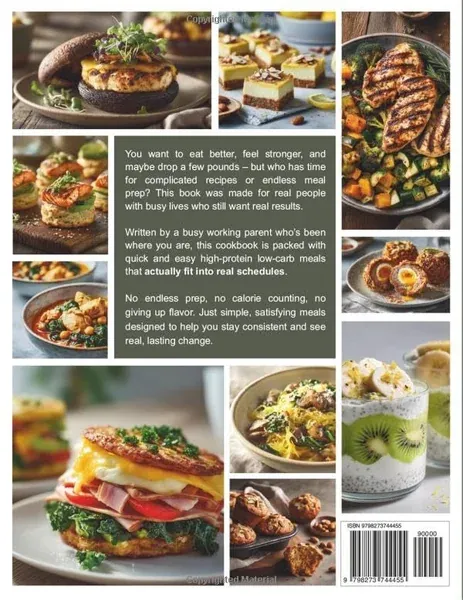
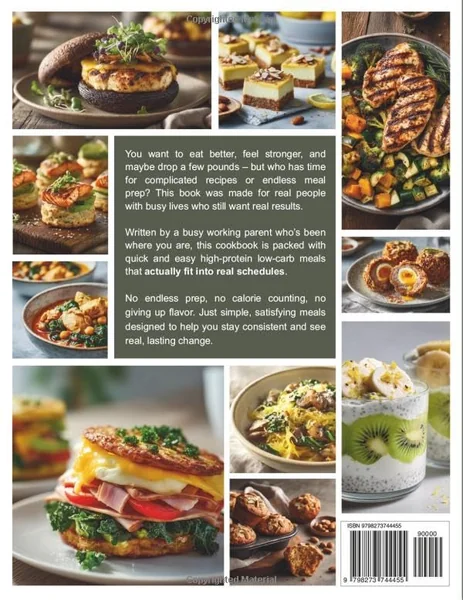
Jeanna Miller's independently published cookbook targets beginners looking to lose weight, build lean muscle, and curb cravings through high-protein, low-carb eating — packaging over 100 recipes and a 90-day meal plan into a compact, accessible format.
 Tap to enlarge
LuvemBooks Verdict
Best for
Beginners to high-protein, low-carb eating who want a structured, time-conscious starting point — specifically busy readers who prefer a ready-made 90-day framework over curating their own meal rotation.
Worth it if
You are new to this dietary approach, have limited time for meal prep, and want a single compact resource that combines a large recipe set with a multi-week plan to remove day-to-day decision fatigue.
Skip if
You are an experienced cook seeking in-depth technique guidance, detailed nutritional breakdowns, or recipes that have been independently tested and vetted by established culinary outlets — at 82 pages and independently published, this book is unlikely to satisfy that depth of expectation.
What readers & critics say
Ohfb.com describes the book as offering 100+ quick, high-protein, low-carb recipes ready in 30 minutes, with a simple 90-day meal plan suited to busy lifestyles.
Sources: ohfb.comAsk LuvemBooks
Was this helpful?
- Is it worth reading?
- For its stated audience — beginners seeking a structured, time-conscious entry point into high-protein, low-carb cooking — Miller's book offers a coherent design: over 100 recipes, a 30-minute preparation ceiling, and a 90-day meal plan that together address the three common friction points of not knowing what to cook, not having time to cook it, and not knowing how long to follow a plan. However, readers wanting in-depth technique guidance, detailed nutritional information, or the assurance of independent culinary-expert vetting should weigh the book's 82-page scope and independently published status before purchasing. It is a well-targeted tool for a specific beginner reader, not a comprehensive culinary resource.
- Similar books
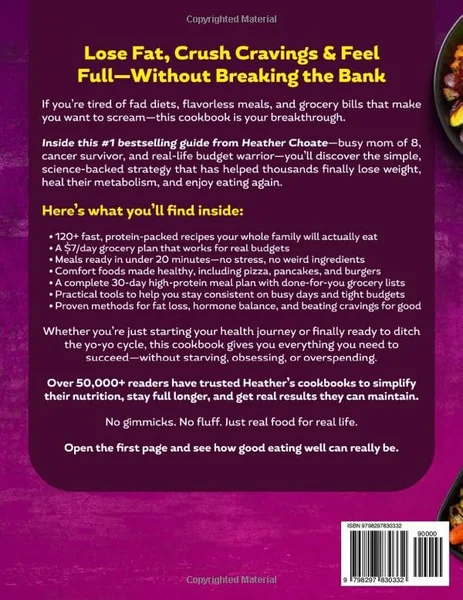
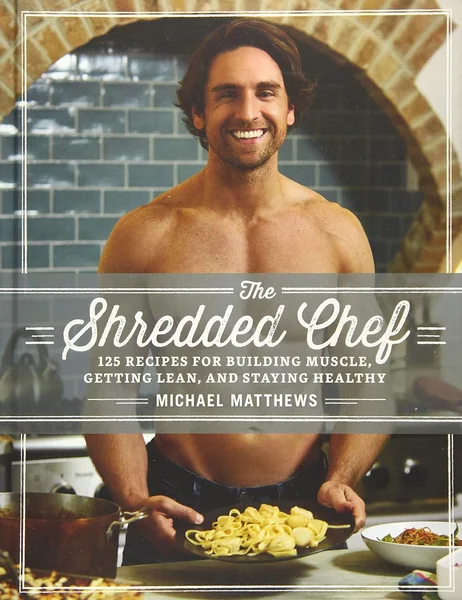
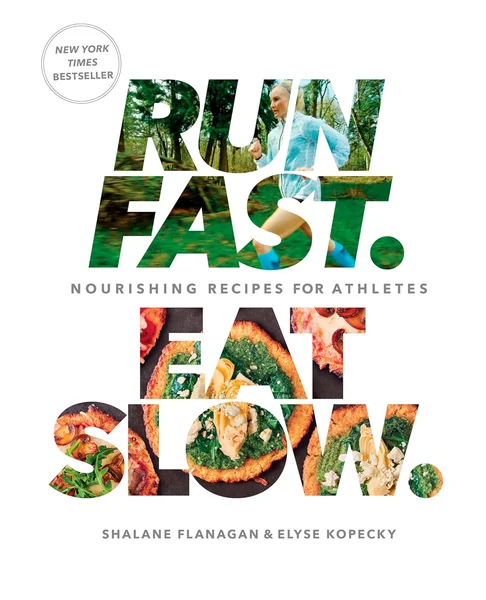
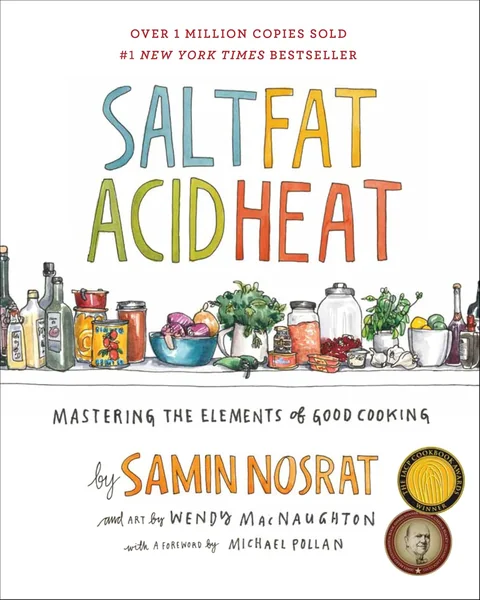
- Readers drawn to Miller's high-protein, low-carb framework and budget-conscious efficiency may also enjoy The $7/Day High Protein Cookbook for Weight Loss by Heather Choate, which offers 124 easy low-carb recipes alongside a 30-day meal plan. The Shredded Chef by Michael Matthews targets a similar muscle-building and leanness goal with 125 recipes. For those interested in performance nutrition with a more athletic angle, Run Fast. Eat Slow. by Shalane Flanagan and Elyse Kopecky offers nourishing recipes for active readers. If the appeal is simply fast, low-barrier weeknight cooking, So Easy So Good by Kylie Sakaida is worth a look. Readers who want to deepen their foundational cooking skills alongside any of these titles would benefit from Salt, Fat, Acid, Heat by Samin Nosrat.
- Who should read this?
- This book is best suited to complete beginners who are new to high-protein, low-carb eating and want a structured, low-friction entry point. The 30-minute recipe cap makes it particularly well-matched to busy readers for whom lengthy preparation is a barrier to dietary consistency. Readers who prefer to be told what to eat each day — rather than curating their own rotation — will benefit most from the 90-day meal plan's directional scaffolding. Those seeking in-depth culinary technique, detailed nutritional data, or recipes with documented third-party testing should look to more comprehensive, traditionally published cookbooks.
- How does the 90-day meal plan work?
- The 90-day meal plan is one of the book's most distinctive structural features, organising the 100-plus recipes into a nearly three-month eating framework rather than presenting them as a standalone browseable collection. Because the recipe count exceeds the number of days in the plan, recipes are likely to repeat or rotate — a practical choice that helps beginners build familiarity with a core set of techniques and ingredients rather than facing constant novelty. This kind of multi-week scaffolding is relatively uncommon in slim-volume cookbooks and signals a design intent focused on habit formation and dietary adherence.
- How detailed is the nutritional information?
- At 82 pages accommodating more than 100 recipes and a 90-day meal plan, the format is necessarily compact, and readers should not expect the kind of detailed nutritional breakdowns, extensive headnotes, or technique explanations found in larger, traditionally published cookbooks. The review notes that the independently published book has not undergone the editorial vetting process of a major publishing house, and there is no documented independent critical reception from established culinary outlets to calibrate the recipes' accuracy or reproducibility. Readers who require precise nutritional data for medical or performance purposes should supplement the book with a verified nutritional resource.
- What is high-protein, low-carb eating?
- The high-protein, low-carb dietary framework centres on prioritising protein-dense foods while limiting carbohydrate intake, an approach widely associated in popular nutrition with weight loss, lean muscle maintenance, and reduced hunger and cravings. Miller's book applies this framework to all 100-plus recipes and explicitly connects it to the stated goals of losing weight, building lean muscles, and curbing cravings. The 30-minute preparation cap is designed to make the dietary approach sustainable for busy readers who might otherwise default to less intentional eating.
Summarize this book
Follow up
Synthesized from verified book data & published reviews · How we review
Press Enter to ask. Answers come from our editorial Q&A — start typing to see related questions.
Age & Reading Level
Recommended age
Adult
Reading level
Adult
who it suits
Skip if you want in-depth technique instruction, detailed nutritional breakdowns, or professionally vetted recipes from a traditional publisher.
Our Review
What the Book Is and What It Covers
Scope and Structure: The 90-Day Meal Plan
Who This Book Is Designed For
Limitations Worth Noting
Fit for Purpose: Practical Considerations for Buyers
Sources & Further Reading
The key facts and claims in this review are grounded in the retrieved, verified sources listed below.
- 1
ohfb.com
Books like Quick and Easy High Protein Low Carb Cookbook for Beginners
Curated picks for readers who enjoyed Quick and Easy High Protein Low Carb Cookbook for Beginners, with our reasoning for each match.
If you liked Quick and Easy High Protein Low Carb Cookbook for Beginners