8 min read
4.8
· 4,507 Amazon ratingsShare This Review
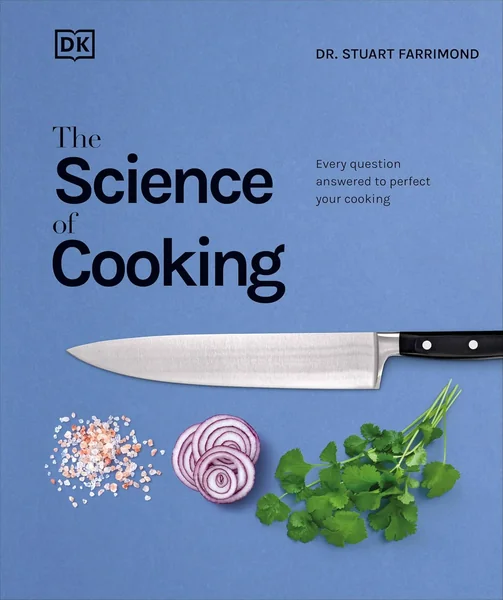
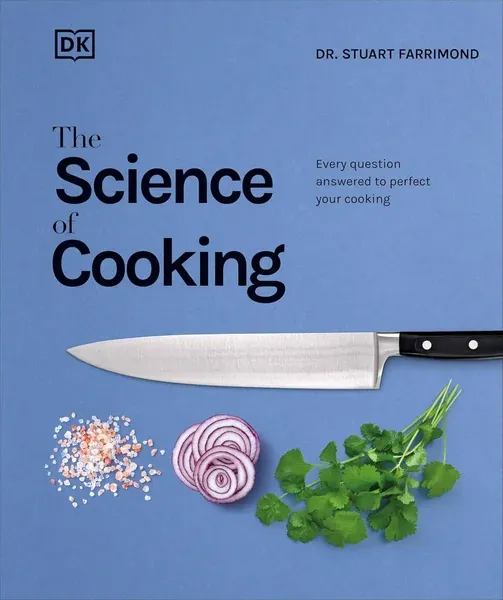
The Science of Cooking by Dr. Stuart Farrimond Review: Food Science Made Kitchen-Ready
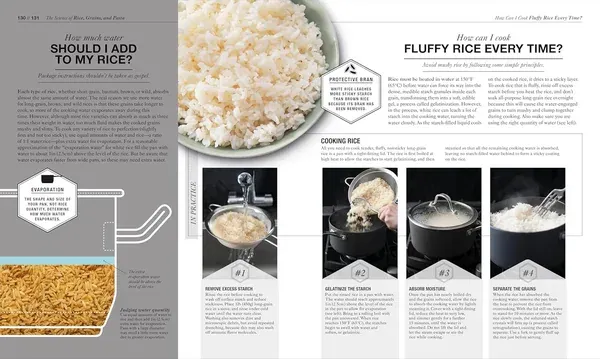
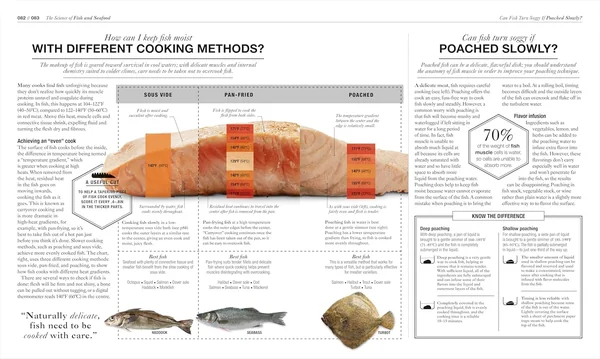
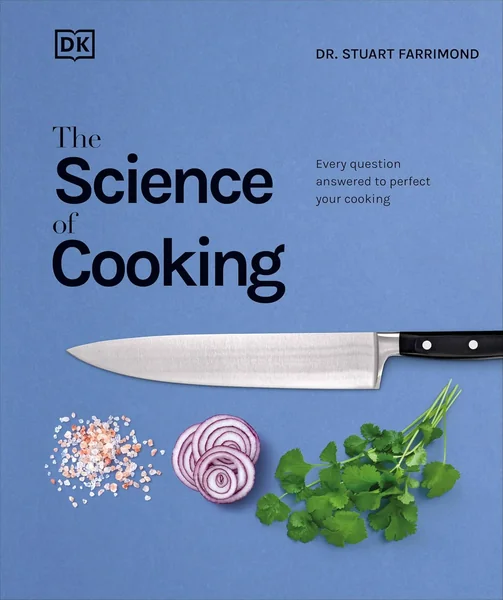
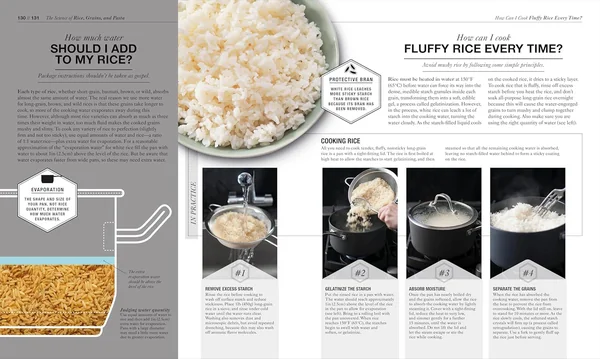
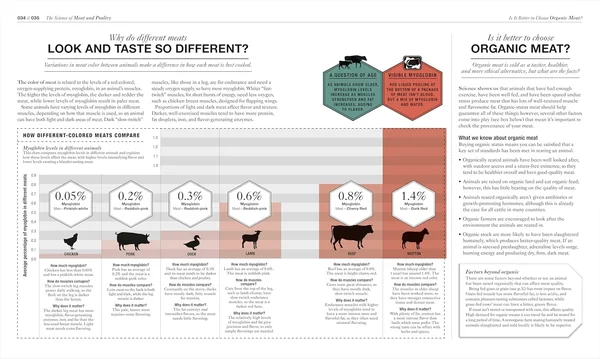
Dr. Stuart Farrimond's The Science of Cooking: Every Question Answered to Perfect Your Cooking, published by DK in 2017, is a food-science reference book structured as a Q&A guide covering more than 160 culinary questions across all major food categories — from meat and poultry to eggs, grains, and vegetables. Designed for curious home cooks who want the reasoning behind recipes, not just the steps, it pairs practical technique instruction with scientific explanation. This review assesses the book's content, organisation, and reception from published sources and publisher materials — not from a kitchen test.
 Tap to enlarge
LuvemBooks Verdict
Best for
Home cooks who want to understand the science behind what they do in the kitchen — not just follow instructions, but grasp the why behind techniques, from pan-frying fish to making a soufflé.
Worth it if
You're the kind of cook who asks "why does this work?" and wants a structured, Q&A-format reference that covers more than 160 culinary questions across all major food groups, written in plain language by a science communicator.
Skip if
You're looking for a conventional recipe collection to cook from directly — this is a theory and reference guide, and experienced food-science readers may find some of the foundational material already familiar.
What readers & critics say
Rootsandcook.com describes it as an "easy to understand cooking theory book" that answers cooking questions "no one answered before," while noting clearly that it is not a recipe book but a theory book that illuminates the why behind cooking. Healthylivinglondon.com offers a more cautious note, advising readers to "take everything with a pinch of salt," observing that Dr. Farrimond is not a chef and that some of his ideas did not align with what the reviewer had previously learned.
Sources: rootsandcook.com, healthylivinglondon.comPreview the book
Ask LuvemBooks
Was this helpful?
- Is it worth reading?
- For home cooks who want to understand why a technique works — not just how to execute it — The Science of Cooking delivers genuine explanatory depth in an accessible format. The Q&A structure makes scientific content feel immediately relevant, and the organisation by food group keeps theory grounded in real kitchen practice. The key caveat is that readers expecting a conventional recipe collection will find this is a theory and reference guide; it is designed to inform and explain, with practical instruction woven into scientific context rather than presented as standalone recipes. Readers with a strong existing food-science background may also find some foundational material covers familiar ground.
- Similar books
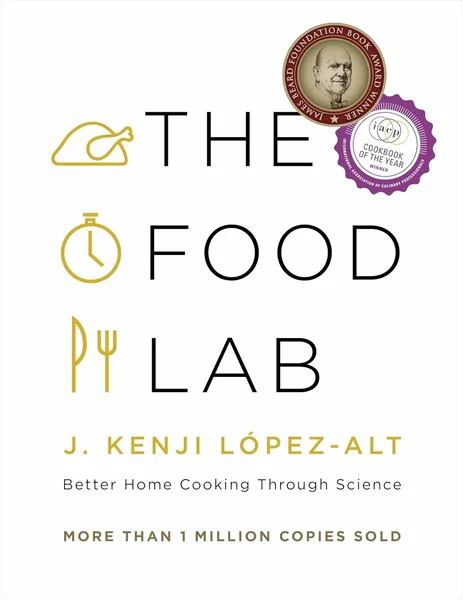
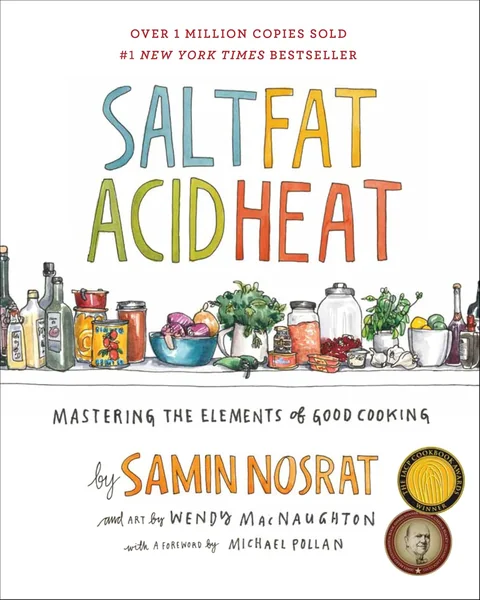
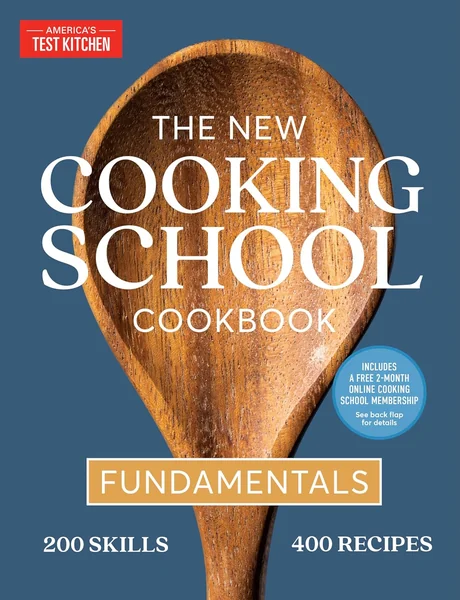
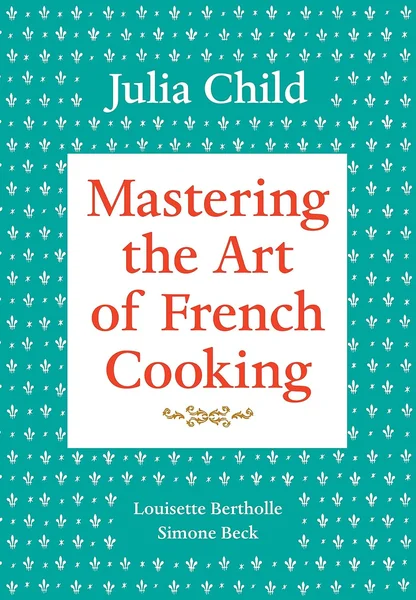
- Readers drawn to The Science of Cooking's explanatory approach will find a natural companion in J. Kenji López-Alt's The Food Lab: Better Home Cooking Through Science, which similarly interrogates the science behind cooking techniques but packages that knowledge within a deep recipe collection. Samin Nosrat's Salt, Fat, Acid, Heat: Mastering the Elements of Good Cooking takes a principle-led approach to cooking education, breaking down the four fundamental elements that underpin flavour. For those who want structured, technique-forward instruction with a stronger recipe component, America's Test Kitchen's The New Cooking School Cookbook: Fundamentals and Molly Baz's Cook This Book: Techniques That Teach are strong picks. Julia Child's Mastering the Art of French Cooking, Volume 1 remains the definitive technique-driven classic for those who want to build skills through a curated canon of recipes.
- Who should read this?
- The Science of Cooking is aimed squarely at curious home cooks who want to understand the reasoning behind culinary techniques rather than simply follow instructions. It is particularly well-suited to readers who have asked questions like why certain methods work or whether common food advice is actually sound — the myth-busting content on topics such as cholesterol and reheating rice speaks directly to that audience. Cooks who already hold a strong food-science background may find some foundational explanations cover familiar territory. Readers seeking a conventional recipe collection with narrative headnotes should look elsewhere — this book is a reference and theory guide, not a library of dishes.
- About Dr. Stuart Farrimond
- Stuart John George Farrimond was a British science communicator, food scientist for BBC's Inside the Factory, best-selling science author, and brain tumour researcher. His background in science communication for general audiences is directly reflected in the accessible, jargon-light tone of The Science of Cooking.
- How is the book structured?
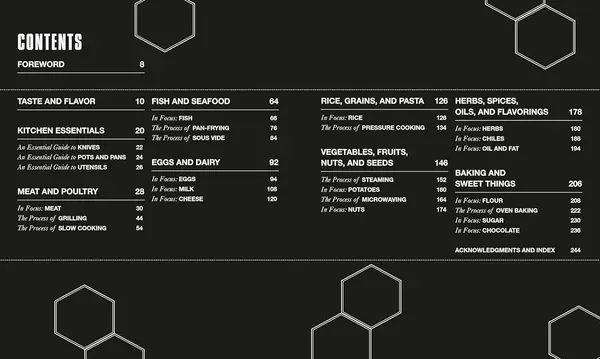
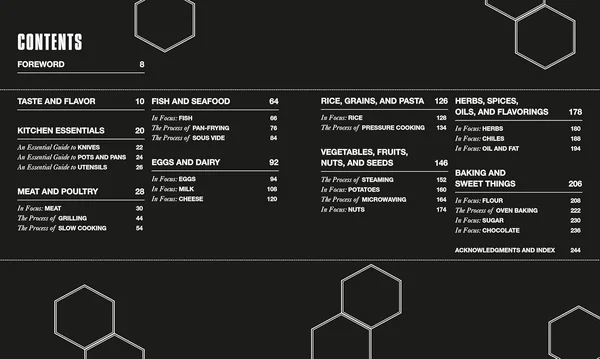
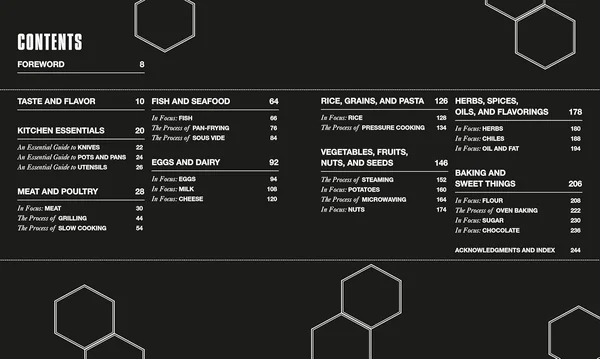
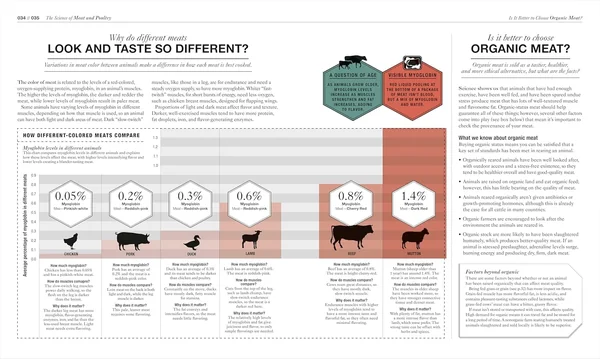
- The book is organised by food group and ingredient rather than by abstract scientific principle, covering meat and poultry, fish and seafood, eggs and dairy, rice and grains, vegetables, and kitchen essentials. Each section is built around real culinary questions — more than 160 in total — with dedicated 'In Focus' sections on specific ingredients such as eggs, milk, cheese, meat, rice, and fish, alongside 'The Process of' explainers covering techniques like pan-frying, sous vide, grilling, slow cooking, and pressure cooking. This layered structure allows readers to dip in by ingredient or work through a technique methodically, depending on their needs.
- Does it debunk cooking myths?
- Yes — myth-busting is one of the book's explicit areas of coverage. The Science of Cooking addresses misconceptions on topics including vegan diets and cholesterol, as well as practical food-safety questions such as whether it is safe to reheat cooked rice. This content extends the book's usefulness beyond pure technique into everyday food decision-making and nutrition, offering value that a standard recipe book would not provide.
Summarize this book
Follow up
Synthesized from verified book data & published reviews · How we review
Press Enter to ask. Answers come from our editorial Q&A — start typing to see related questions.
Age & Reading Level
Recommended age
Adult
Reading level
Adult
who it suits
Skip if you're looking for a conventional cookbook with a library of recipes to cook from directly.
Our Review
What the Book Actually Is
Structure and Design Intent
Reception and Significance
Genuine Strengths
Limitations and Who It May Frustrate
Sources & Further Reading
The key facts and claims in this review are grounded in the retrieved, verified sources listed below.
- Cited in this review
- 1
- 2
rootsandcook.com
- 3
healthylivinglondon.com
- Further reading
- 4
Dr. Stuart Farrimond, Wikipedia
- 5
nlb.overdrive.com
- 6
- 7
Books like The Science of Cooking
Curated picks for readers who enjoyed The Science of Cooking, with our reasoning for each match.
If you liked The Science of Cooking