9 min read
4.7
· 9,603 Amazon ratingsShare This Review

Our review
The Flavor Bible
The Flavor Bible by Andrew Dornenburg & Karen Page Review: A James Beard–Winning Culinary Reference Classic
The Flavor Bible is a 2008 reference guide — not a traditional cookbook — that maps flavor affinities across hundreds of ingredients, drawing on the collective experience of dozens of leading American chefs to help cooks season and combine ingredients with greater creativity and confidence. Winner of the 2009 James Beard Book Award for Best Book: Reference and Scholarship, it has been named one of the 100 best cookbooks of the last twenty-five years by Cooking Light and one of the ten best cookbooks in the world of the past century by Forbes, and was recognized as one of the year's best cookbooks on both Today and Good Morning America. This review assesses the book's content, organization, and published reception — not a kitchen test.


 Tap to enlarge
LuvemBooks Verdict
Best for
Experienced home cooks, culinary students, and working professionals who already have solid technique and want a systematized, chef-endorsed map of flavor relationships to spark more intuitive, improvisational cooking.
Worth it if
You're ready to move beyond recipe-dependency and want a comprehensive, professionally validated reference for understanding how ingredients, herbs, and spices interact — organized for both targeted lookup and open-ended creative browsing.
Skip if
You cook primarily by following structured recipes and are still building foundational skills — the open-ended pairing index format assumes existing competence and offers no step-by-step guidance, technique instruction, or plated recipe photography.
What readers & critics say
Publishers Weekly called it a comprehensive alphabetical flavor index that "allows readers to search complementary combinations for a particular ingredient," praising its breadth, while Herbivoracious noted that Page and Dornenburg's books are fixtures on professional chefs' shelves — "battered and bruised, coffee stained and taped together at the spine" — on account of their uniquely useful culinary lists. Kitchen Arts & Letters described it as "a remarkably versatile aid to inspiration" for anyone who creates or improvises in the kitchen.
Sources: Publishers Weekly, Herbivoracious, Kitchen Arts & Letters, Cooking by the Book, Eat Me Daily, The StoryGraphPreview the book

Ask LuvemBooks
Was this helpful?
- Is it worth reading?
- For experienced home cooks, culinary students, and working professionals, The Flavor Bible is one of the most rigorously validated culinary references available — its 2009 James Beard Award win, Forbes' placement among the ten best cookbooks of the past century, and Cooking Light's inclusion on its list of the 100 best cookbooks of the last twenty-five years collectively speak to a work that has genuinely shaped how a generation of cooks thinks about flavor. Chef Eric Ripert has stated that Page and Dornenburg's books "have enriched the fount of culinary knowledge," a sentiment reflected across the book's documented cross-platform reception. The significant caveat is that readers who cook primarily by following recipes to the letter, or who are still building foundational technique, are likely to find the open-ended reference format less immediately actionable.
- Similar books
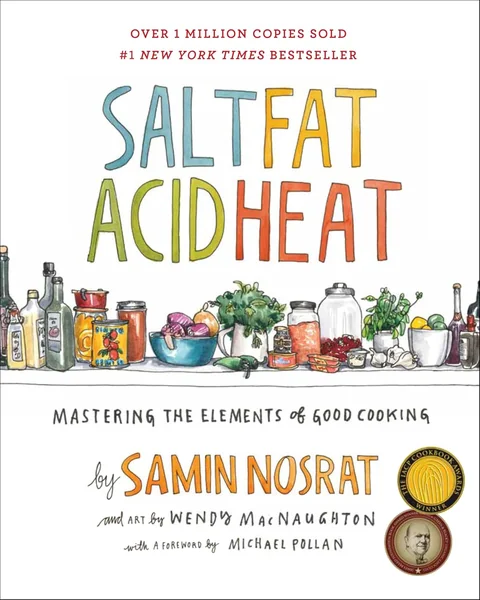
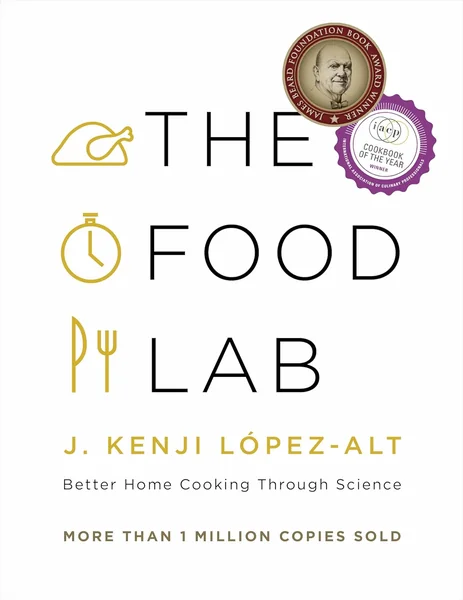
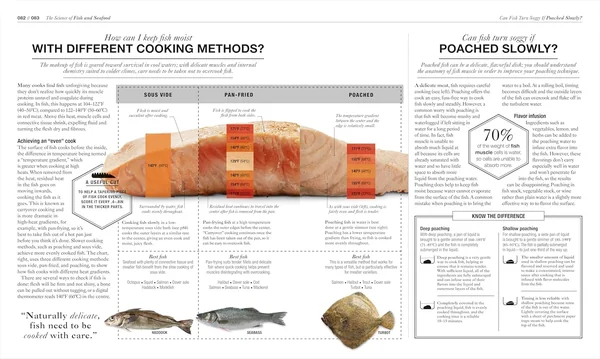
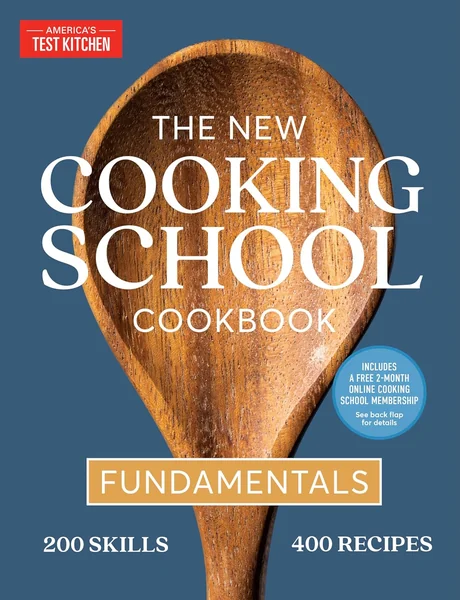
- Readers who value The Flavor Bible's emphasis on understanding cooking principles over following recipes will find strong companions in several related titles. Salt, Fat, Acid, Heat: Mastering the Elements of Good Cooking by Samin Nosrat similarly teaches the underlying logic of flavor rather than a fixed sequence of instructions, making it an ideal pairing for cooks seeking conceptual depth. Ottolenghi Flavor: A Cookbook by Yotam Ottolenghi, Ixta Belfrage, and Tara Wigley approaches ingredient-led creativity through actual recipes but with a strong emphasis on flavor-building techniques. The Food Lab: Better Home Cooking Through Science by J. Kenji López-Alt offers a science-grounded investigation of why ingredients behave as they do — a complementary analytical perspective. For cooks who want ingredient-focused guidance with a more narrative sensibility, Ingredienti: Marcella's Guide to the Market by Marcella Hazan and Victor Hazan is a natural companion, while The New Cooking School Cookbook: Fundamentals by America's Test Kitchen serves readers who want structured technique instruction alongside their flavor exploration.
- Who should read this?
- The Flavor Bible is most valuable for experienced home cooks, culinary students, and working food professionals who are ready to move beyond recipe-dependency toward improvisational, instinct-driven cooking. Its alphabetically organized pairing entries — annotated with guidance distilled from dozens of leading American chefs — function as a creative springboard for anyone already comfortable with foundational technique. Readers who cook primarily by following recipes to the letter, or who are still building their basic culinary skills, will likely find the open-ended reference format less immediately actionable.
- How recognized is this book?
- The Flavor Bible has accumulated an exceptionally broad record of documented recognition across professional and mainstream platforms. It won the 2009 James Beard Book Award for Best Book: Reference and Scholarship — the field's most prestigious category for works of culinary knowledge. Cooking Light named it one of the 100 best cookbooks of the last twenty-five years; Forbes placed it among the ten best cookbooks in the world of the past century; and both Today and Good Morning America listed it among the year's best cookbooks at the time of its release. That span of recognition — from professional culinary institutions to long-view critical retrospectives — reflects a book that has genuinely shaped how a generation of cooks thinks about flavor.
- What if I need actual recipes?
- The Flavor Bible contains no conventional step-by-step recipes — its primary deliverable is a comprehensive ingredient pairing index annotated with professional guidance, chef anecdotes, and signature-dish references. Readers who need structured recipe guidance alongside their flavor exploration would be better served by companion volumes: Ottolenghi Flavor by Yotam Ottolenghi, Ixta Belfrage, and Tara Wigley delivers ingredient-led creativity through actual recipes, while The New Cooking School Cookbook: Fundamentals by America's Test Kitchen provides the technique instruction and recipe structure that The Flavor Bible deliberately omits. The Flavor Bible is best understood as a creative tool to use alongside a recipe collection, not as a replacement for one.
- What's the authors' culinary background?
- Andrew Dornenburg studied with legendary cooking educator Madeleine Kamman at the School for American Chefs and cooked professionally in top New York City restaurants, bringing direct kitchen experience to the project. Karen Page is a two-time James Beard Award-winning author, and together the pair's previous titles — including Becoming a Chef, Culinary Artistry, and What to Drink with What You Eat (IACP Cookbook of the Year) — have won or been finalists for Gourmand World Cookbook, IACP, and James Beard book awards. The Culinary Institute of America has named them Honorary Ambassadors, describing them as "accomplished authors, respected food authorities, and industry leaders with exceptional talent and vision," and chef Eric Ripert has stated that their books "have enriched the fount of culinary knowledge."
Summarize this book
Follow up
Synthesized from verified book data & published reviews · How we review
Press Enter to ask. Answers come from our editorial Q&A — start typing to see related questions.
Our Review
What the Book Actually Is — and Is Not
Significance and Reception
The Authority Behind the Pairing Index
Strengths as a Culinary Tool
Who Will Get the Most — and Least — from It
Sources & Further Reading
The key facts and claims in this review are grounded in the retrieved, verified sources listed below.
- Cited in this review
- 1
- 2
- 3
kitchenartsandletters.com
- Further reading
- 4
- 5
- 6
- 7
- 8
- 9
- 10
Age & Reading Level
Recommended age
Adult
Reading level
Adult
who it suits
Skip if you're looking for a traditional cookbook with step-by-step recipes and plated photographs.
Reader reviews
Be one of the first readers to answer.
Read it? Was it right for you?
Books like The Flavor Bible
Curated picks for readers who enjoyed The Flavor Bible, with our reasoning for each match.
If you liked The Flavor Bible