8 min read
4.8
· 8,928 Amazon ratingsShare This Review
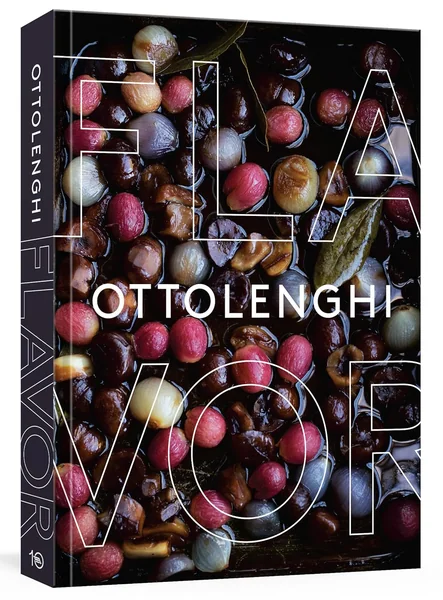
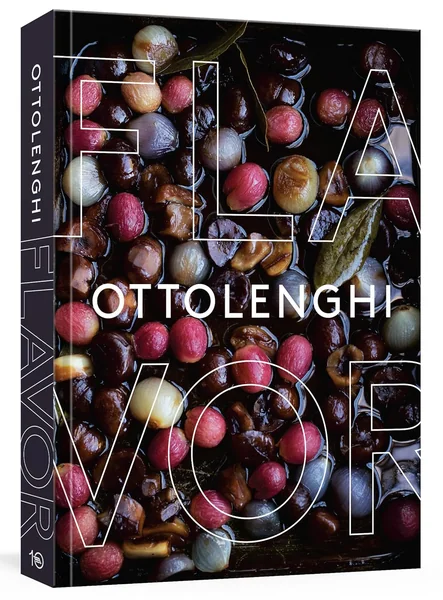
Ottolenghi Flavor by Yotam Ottolenghi, Ixta Belfrage & Tara Wigley Review: A Revolutionary Framework for Vegetable Cooking
Ottolenghi Flavor is a New York Times bestseller and IACP Award finalist that goes beyond a standard collection of plant-based recipes, offering a structured, teachable philosophy for understanding how flavor is built — making it one of the most critically acclaimed vegetable cookbooks of its era. This review assesses the book's content, organisation, and published critical reception; it does not reflect a kitchen test.
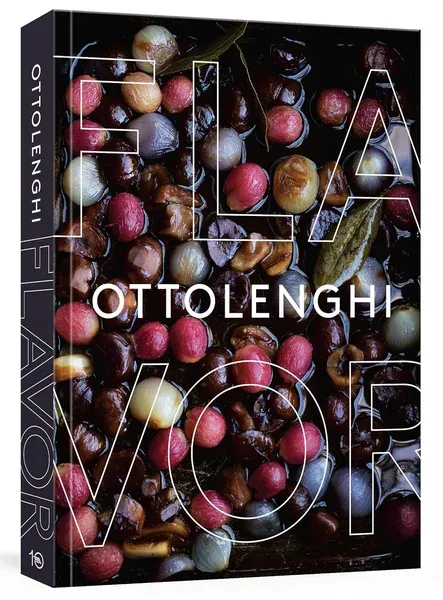
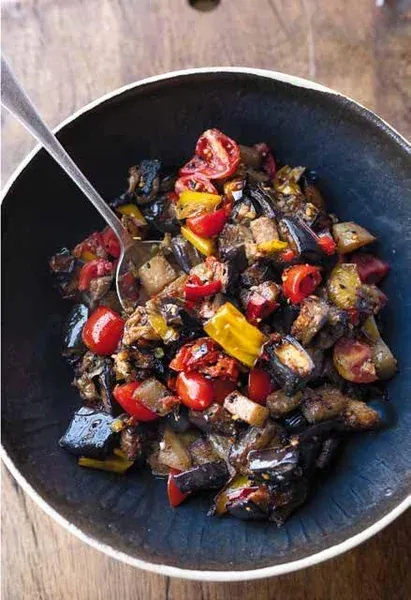
 Tap to enlarge
LuvemBooks Verdict
Best for
Curious, committed home cooks — vegetarian or not — who want to genuinely understand why vegetables taste the way they do and are ready to engage with a structured framework (process, pairing, produce) rather than simply follow a recipe list.
Worth it if
You want a vegetable cookbook that builds lasting cooking intuition through a teachable system, and you're willing to stock a working pantry of homemade condiments to get the most out of it.
Skip if
You're after quick, minimal-ingredient weeknight cooking with no desire to engage with the underlying framework — the flavor-bomb pantry system and ingredient sourcing will feel like more commitment than you're looking for.
What readers & critics say
Penguinrandomhouse.com records the book as a New York Times bestseller and IACP Award finalist, named one of the best cookbooks of the year by eight major outlets including The New York Times Book Review, NPR, The Washington Post, and The Guardian. Barnesandnoble.com surfaces praise from Epicurious noting that both new readers and seasoned Ottolenghi fans will find something valuable here, alongside Julian Armstrong of the Montreal Gazette calling it "a winner" and the Vancouver Sun observing that its dishes are compelling enough that meat-eaters won't miss the absence of meat.
Sources: Penguin Random House, Barnes & NoblePreview the book
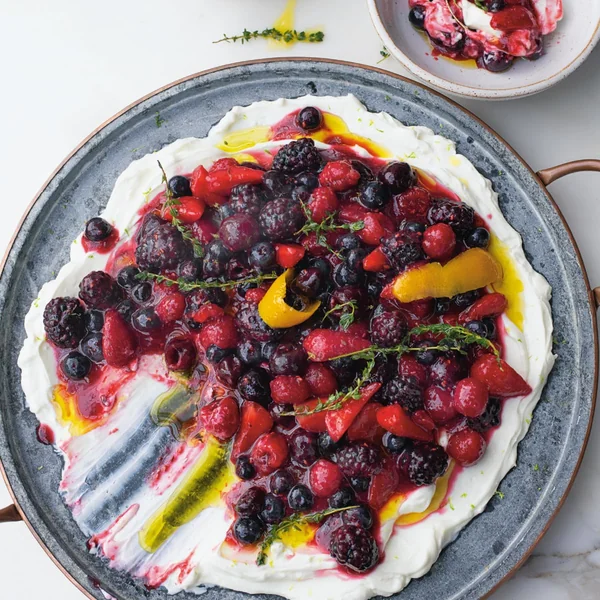
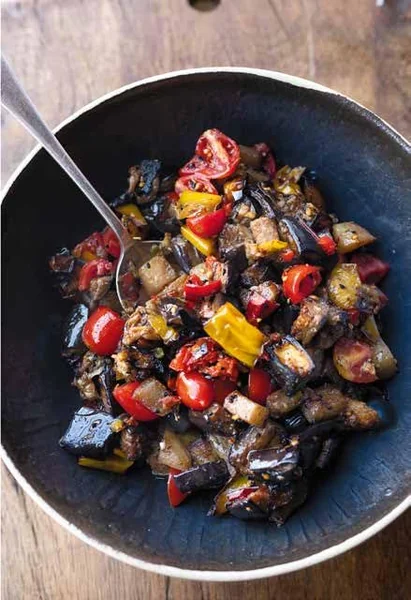
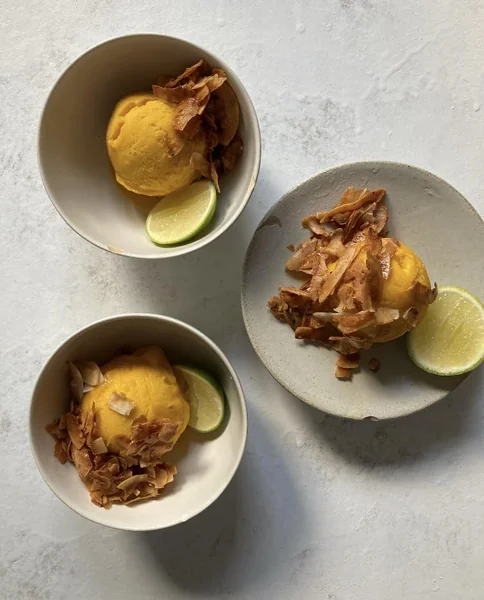
Ask LuvemBooks
Was this helpful?
- Is it worth reading?
- Ottolenghi Flavor stands as one of the most critically endorsed vegetable cookbooks of its era — named a best cookbook of the year by eight major outlets including The New York Times Book Review, NPR, The Washington Post, and The Guardian, and recognised as both a New York Times bestseller and an IACP Award finalist. Epicurious praised its ability to serve both newcomers and experienced Ottolenghi readers, calling it genuinely instructional without sacrificing depth. For cooks willing to engage with its system, the book offers lasting value well beyond a single recipe run-through; those seeking purely casual, pick-up-and-cook convenience may need to temper expectations.
- Similar books
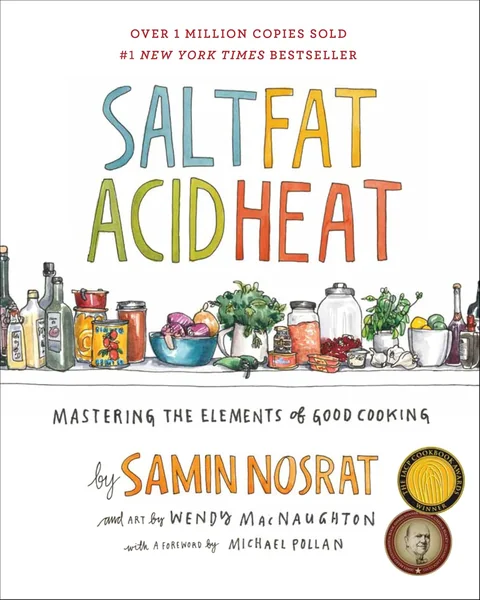
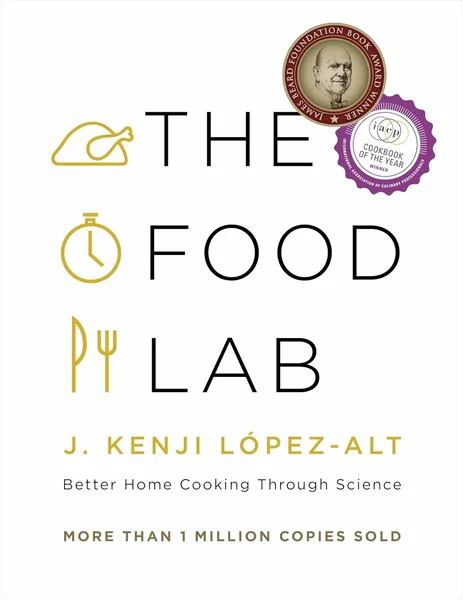
- Readers drawn to Ottolenghi Flavor's framework-driven approach to cooking will find strong company in Samin Nosrat's Salt, Fat, Acid, Heat: Mastering the Elements of Good Cooking, which similarly teaches a transferable philosophy rather than a fixed recipe list. J. Kenji López-Alt's The Food Lab: Better Home Cooking Through Science shares the same ambition of building genuine cooking intuition through explanation. For those who want technique-led instruction with approachable recipes, Molly Baz's Cook This Book: Techniques That Teach and America's Test Kitchen's The New Cooking School Cookbook: Fundamentals are natural companions.
- Who should read this?
- Ottolenghi Flavor is best suited to home cooks who want to deepen their understanding of how flavor is built, not just expand their recipe collection. Epicurious noted that new readers will be "coached and coaxed through each technique" while experienced Ottolenghi fans will find something genuinely new — making it a rare title that rewards both audiences. It is also a strong pick for vegetable-curious omnivores: the Vancouver Sun observed that its dishes are compelling enough that "the carnivore in your house won't notice the absence of meat." Cooks seeking quick, minimal-ingredient weeknight fixes or meat-centred recipes will find it less suited to their needs.
- What are the 'flavor bombs'?
- "Flavor bombs" is the book's term for a curated collection of homemade condiments — pastes, oils, sauces, and similar preparations — designed to be made once and deployed across multiple dishes. They function as an extension of the book's core philosophy: building concentrated flavor that can be drawn on in everyday cooking, not just for the book's specific recipes. This pantry-building approach is central to the book's system and is one of the reasons the book rewards committed engagement over casual dipping-in.
- How was it received by critics?
- Ottolenghi Flavor accumulated exceptional critical breadth for a vegetable-focused cookbook. It was named a best cookbook of the year by eight major outlets: The New York Times Book Review, NPR, The Washington Post, The Guardian, The Atlanta Journal-Constitution, National Geographic, Town & Country, and Epicurious — a span covering both culinary and general-interest readerships. It is a confirmed New York Times bestseller and an IACP Award finalist. The New York Times praised its "bold, innovative recipes" as making the book "truly thrilling," while Julian Armstrong of the Montreal Gazette called it "a winner."
- What role did Tara Wigley play?
- Tara Wigley is one of three credited co-authors of Ottolenghi Flavor. Her background bridges a decade in literary and trade publishing with professional cookery training and extensive recipe development work for Ottolenghi's columns in The Guardian and The New York Times — a combination the review identifies as bringing tested editorial rigour to the book's writing. She also co-authored Ottolenghi Simple, which received its own strong critical reception, suggesting a consistent collaborative relationship with Ottolenghi across multiple titles.
Summarize this book
Follow up
Synthesized from verified book data & published reviews · How we review
Press Enter to ask. Answers come from our editorial Q&A — start typing to see related questions.
Age & Reading Level
Recommended age
Adult
Reading level
Adult
who it suits
Skip if you want meat-centred recipes or a quick, minimal-ingredient weeknight cooking resource.
Our Review
What the Book Actually Is
The Scope and Scale of Its Reception
Strengths: Accessibility Across Experience Levels
Its Place in the Ottolenghi Catalogue — and Beyond
Honest Limitations and Who May Struggle
Sources & Further Reading
The key facts and claims in this review are grounded in the retrieved, verified sources listed below.
- Cited in this review
- 1
- 2
- 3
- Further reading
- 4
booksaremagic.net
- 5
- 6
- 7
- 8
Books like Ottolenghi Flavor
Curated picks for readers who enjoyed Ottolenghi Flavor, with our reasoning for each match.
If you liked Ottolenghi Flavor