8 min read
4.8
· 17,963 Amazon ratings, as of Oct 2026Share This Review
Our review
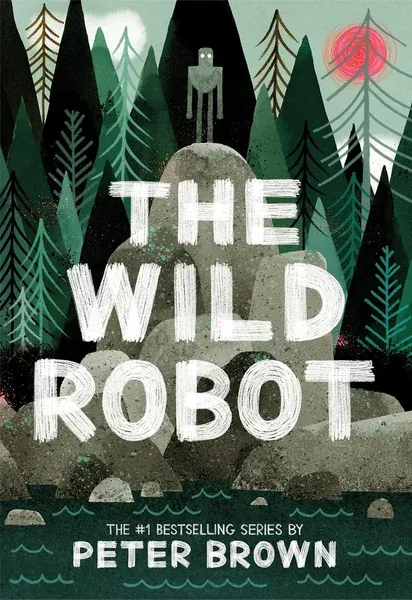
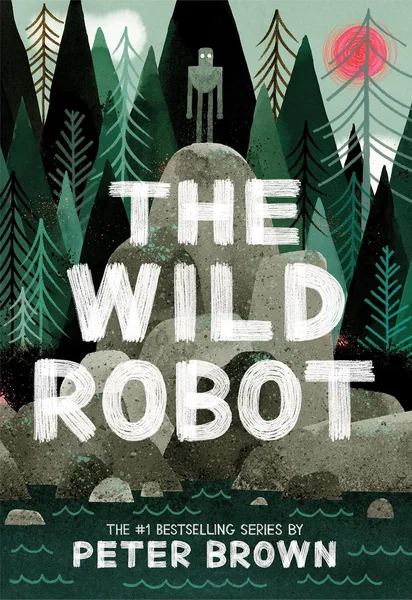
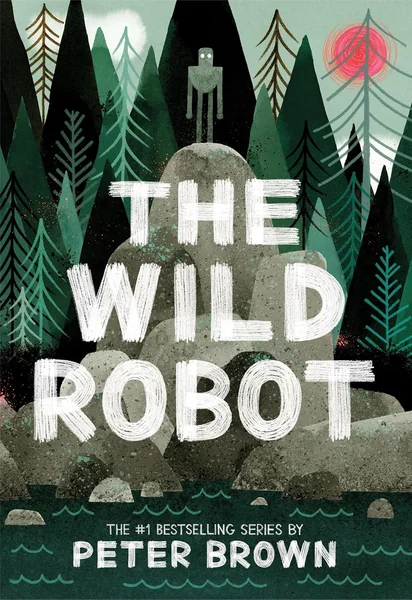
The Wild Robot
The Wild Robot by Peter Brown Review: A Thought-Provoking Middle Grade Classic
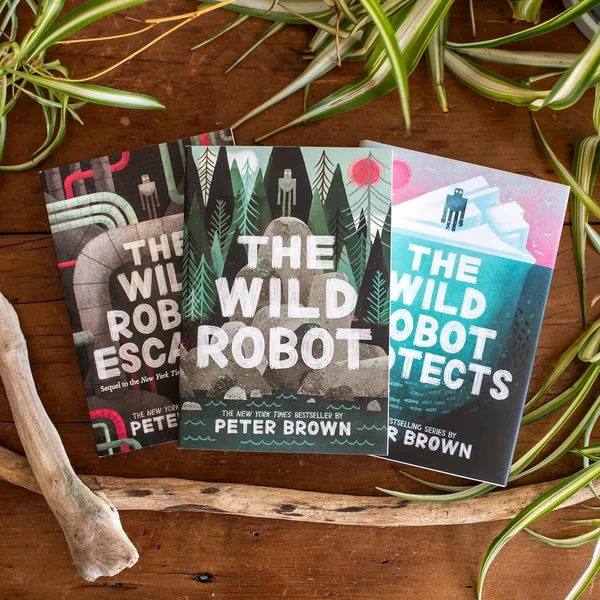
The Wild Robot, by Peter Brown, is a children's science fiction novel in which a robot named Roz awakens alone on a remote island and must learn to survive among wild animals — ultimately adopting an orphaned gosling named Brightbill. A #1 New York Times bestseller with starred reviews from Booklist, Kirkus Reviews, Publishers Weekly, and School Library Journal, it stands as one of the most decorated middle grade novels of its decade.
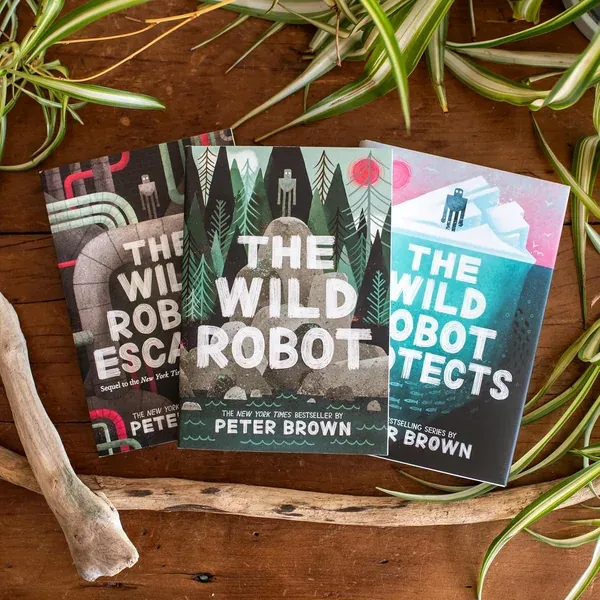
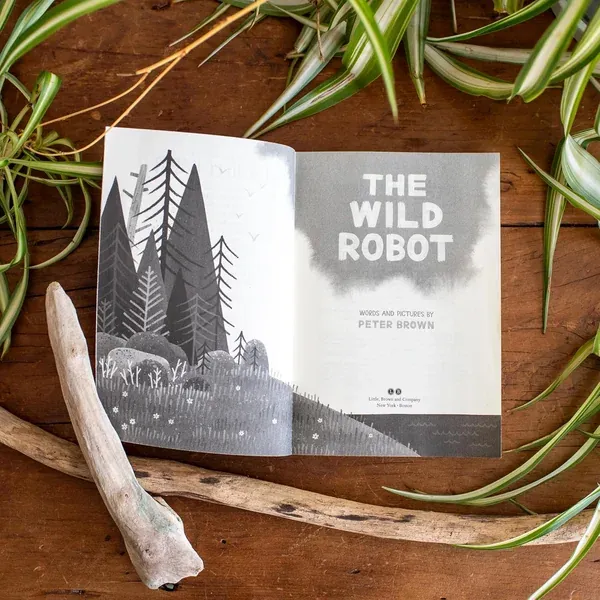
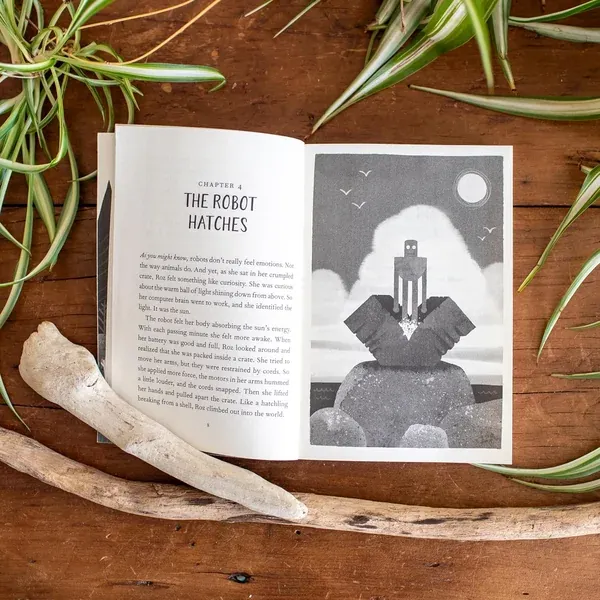 Tap to enlarge
LuvemBooks Verdict
Best for
Readers aged 7–12 who enjoy emotionally resonant science fiction about belonging and found family, particularly those who appreciate a robot protagonist navigating the natural world with logic and unexpected heart.
Worth it if
Worth reading if you want a middle grade novel that balances accessible, propulsive storytelling with genuinely layered themes about identity, motherhood, and what it means to belong.
Skip if
Skip it if you prefer immersive, slow-burn chapter structures and subtler thematic signposting — the short chapters move briskly and the allegory is clearly drawn.
Where reviewers agree and split
Readers rate it 4.8 on Amazon. The reviews we read that discuss it in depth agree:
Both reviews we read that discuss its prose find it clean, accessible, and emotionally weighty.
Prose
2 find it clean, accessible, and emotionally weighty
Emotional impact
2 call it heartwarming and emotionally resonant
Who says what
Prose
“The prose is clean, direct, and perfectly paced for a middle-grade audience, but it carries immense emotional weight.”
— ursummary.com · Book blog“Brown's writing style is simple and accessible, allowing young children to make textual connections and predictions.”
— Sis and Chrys · Book blogEmotional impact
“He doesn't shy away from dark moments—death, storms, and violence are present—but he handles them with a gentle, matter-of-fact grace that feels honest rather than frightening.”
— ursummary.com · Book blog“Roz the robot will tug on heart strings and make you laugh out loud in The Wild Robot.”
— Literature Approved · Book blogWhat readers & critics say
The Book Smugglers called it "a surprising parable about technology, nature" that tackles timeless themes from motherhood to individuality, while sisandchrys.com described it as "whimsical, full of heart, honest, and has just the right amount of peril," recommending it as a perfect class read-aloud.
Sources: The Book Smugglers, Sis and ChrysPreview the book
Ask LuvemBooks
Was this helpful?
- Is it worth reading?
- For the right reader, absolutely. The Wild Robot delivers on science fiction with emotional substance, found-family storytelling, and nature writing — all three at once. Critics praised Brown's refusal to sentimentalize the natural world, noting that a logic-driven robot provides a uniquely effective lens for observing nature's order without flinching from its harsher realities. The caveat is practical: readers who prefer longer, more immersive scenes may find the short chapter format too brisk, and those seeking subtler allegory may find the theme of otherness more transparent than they'd like.
- Similar books
- Readers drawn to The Wild Robot's blend of a non-human outsider navigating a natural world with unexpected heart may find Randall Jarrell's The Animal Family a rewarding companion — Kirkus Reviews drew that comparison directly. For the science fiction dimension, critics likened Roz's emotional arc to Disney's WALL-E: a logic-driven character learning empathy through an unlikely bond. Readers who enjoy found-family middle grade with a nature backdrop might also explore other celebrated titles in the genre.
- Who should read this?
- The Wild Robot is best suited to independent readers aged 7–12 (roughly grades 3 through 7) who are drawn to science fiction with genuine emotional stakes. It particularly rewards readers curious about questions of identity and belonging — those who would find Roz's outsider perspective on the natural world both funny and unexpectedly moving. It is less well matched to readers who want slow-burn immersion or thematic subtlety, since the short chapters move briskly and the allegory of otherness is clearly signposted.
- What age is it for?
- Best for ages 7 and up, with a grade-level target of roughly 3 through 7. The clean, direct prose and short chapter format are designed to be accessible to younger or reluctant readers within that range, while the thematic layering around identity, motherhood, and nature's harsher realities gives older readers in the band genuine material to engage with. The book does not shy away from death, storms, and predator-prey violence, but these are handled with restraint rather than graphic detail.
- Tell me about the adaptation
- A 2024 animated film adaptation brought Roz's story to a broader audience, extending the novel's reach well beyond the middle grade readership that made it a bestseller. Peter Brown also released an illustrated picture book version, The Wild Robot on the Island, in 2025, expanding the world of the story in a different format. Readers discovering the book through the film will find the source novel shares the same core emotional arc — Roz's awakening, her bond with Brightbill, and her gradual acceptance among the island's animals.
- What is the reading experience like?
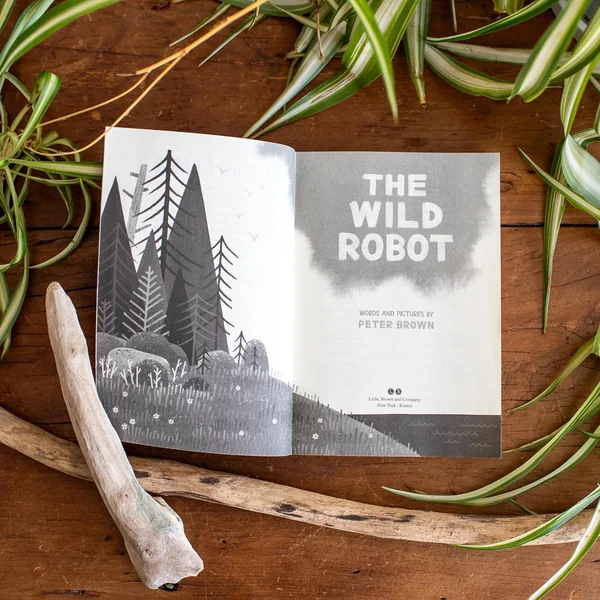
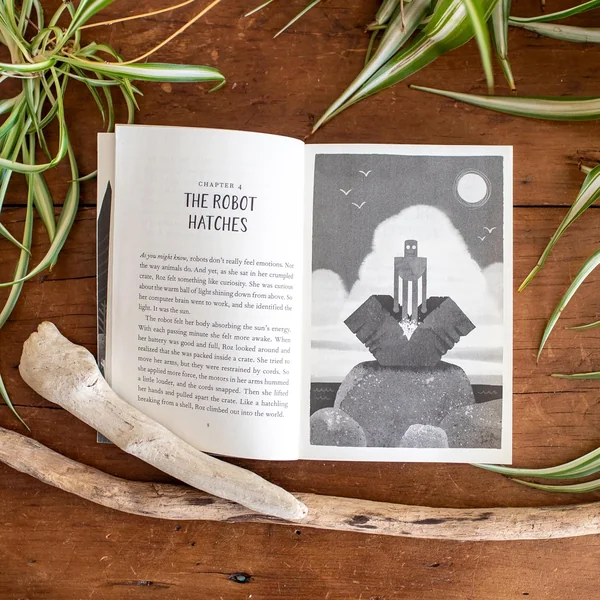
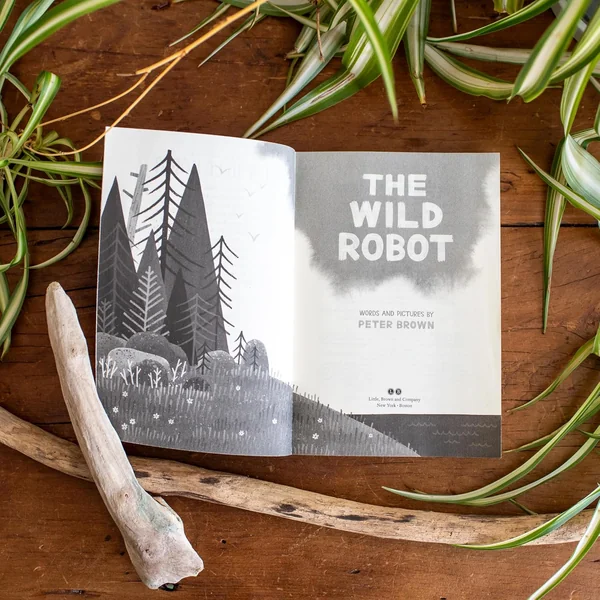
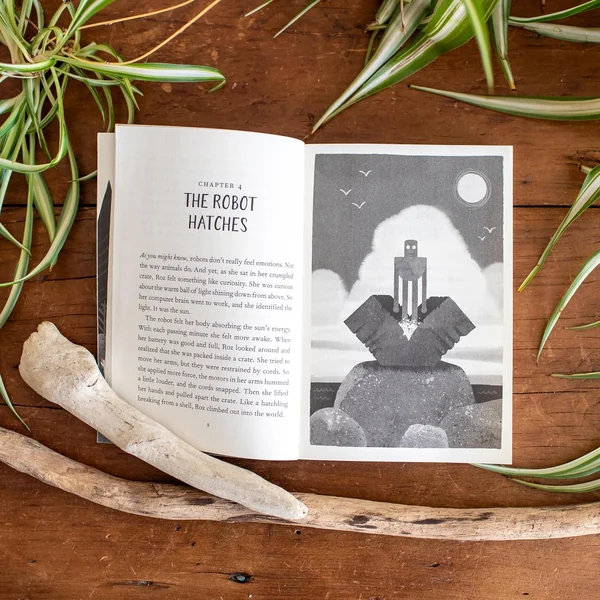
- The prose is clean and direct, structured to move at pace through short, propulsive chapters — a deliberate choice that makes the book accessible to younger or reluctant readers but that some readers find too brisk for deep scene immersion. Reviewers consistently described the writing as carrying emotional weight despite its accessibility, noting that Brown does not gloss over nature's harsher realities. The integration of Brown's own illustrations adds a visual dimension that reinforces the narrative rather than decorating it separately.
Summarize this book
Follow up
Synthesized from verified book data & published reviews · How we review
What would you like to know about The Wild Robot?
Answers come from our editorial notes on this book. If we haven't covered something, we'll say so.
Readers often ask
Our Review
We review the evidence: published critics, reader verdicts and BookTube reviews, gathered and weighed with AI assistance and edited by LuvemBooks, rather than one reader's first-hand take.
What the Book Is About
Its Place in the Genre and Its Recognition
What Critics Praised
Themes and Intellectual Ambition
Who the Book Is For and One Genuine Caveat
Sources & Further Reading
The key facts and claims in this review are grounded in the retrieved, verified sources listed below.
- 1
en.wikipedia.org
- 2
- 3
- 4
peterbrownstudio.com
- 5
afuse8production.slj.com
- 6
- 7
thebooksmugglers.com
- 8
selfpublishingtitans.com
- 9
literatureapproved.com
- 10
- 11
summarybook.net
Age & Reading Level
Recommended age
Ages 8–12
Reading level
Middle grade
2 content notes · who it suits
Content to know about
Best for: Ages 7+ — the reading level, short chapters, and direct prose suit independent readers from around age 7; abstract themes of identity and belonging grow richer for readers toward the upper end of the 7–12 range.
Skip if you prefer immersive, slow-burn chapter structures and subtler thematic allegory — the short chapters move briskly and the theme of otherness is clearly signposted.
Reader reviews
Be one of the first readers to answer.
Read it? Was it right for you?
Books like The Wild Robot
Curated picks for readers who enjoyed The Wild Robot, with our reasoning for each match.

If you liked The Wild Robot