9 min read
4.4
· 31,038 Amazon ratingsShare This Review
Our review
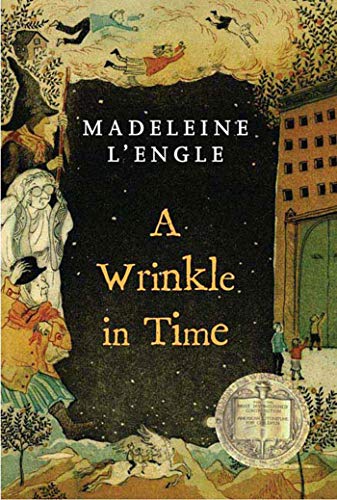
A Wrinkle in Time
A Wrinkle in Time by Madeleine L'Engle Review: A Newbery-Winning Classic of Enduring Power
First published in 1962 and winner of the Newbery Medal, the Sequoyah Book Award, and the Lewis Carroll Shelf Award, A Wrinkle in Time by Madeleine L'Engle is a landmark science fantasy novel that follows awkward, brilliant Meg Murry and her companions on a journey across the universe to rescue her father from a cosmic evil — a book that has challenged, delighted, and divided readers across generations.
LuvemBooks Verdict
Best for
Readers aged nine and up — and curious adults revisiting childhood — who are drawn to science fantasy that pairs cosmic stakes and physics concepts with a deeply emotional, coming-of-age protagonist whose greatest weapon is love rather than strength.
Worth it if
Worth reading if you want a pioneering children's science-fantasy that asks genuinely large questions about conformity, free will, and love, and don't mind a protagonist-driven story where interior struggle matters as much as plot action.
Skip if
Skip it if you find moralising didacticism and explicit theological undercurrents in children's fiction frustrating, or if you're seeking lean, plot-first adventure over conceptually dense, ideas-heavy storytelling.
What readers & critics say
Wikipedia's entry records the novel's landmark decorated history — Newbery Medal, Sequoyah Book Award, Lewis Carroll Shelf Award, and runner-up for the Hans Christian Andersen Award — while also noting that its unusual choice of an awkward girl protagonist drew early critical resistance. Kirkus Reviews contextualises the book's dual legacy as one of America's most beloved stories and, simultaneously, one of its most frequently banned, with its Christian theological elements drawing sustained challenge from multiple directions.
“It is adventure-filled and exciting — I would recommend it for exciting adventure-hungry children.”
— The Guardian (children's books site)“Since its publication in 1962, the novel has become one of America's most beloved stories, selling millions of copies worldwide and inspiring countless authors and readers.”
— Kirkus ReviewsAsk LuvemBooks
Was this helpful?
- Is it worth reading?
- For readers drawn to science fantasy that asks large questions — about conformity, free will, the nature of evil, and what it means to love imperfect people — A Wrinkle in Time remains a landmark worth reading, particularly for the originality of placing Meg Murry at its centre. Its combination of theoretical physics, Christian-inflected themes, and cosmic stakes in a middle-grade frame is still unusual more than six decades on. That said, librarian Carolyn Horovitz's enduring reservation about the depth of its literary quality, and the book's conceptual density, are worth weighing — especially for readers expecting a more straightforwardly plotted adventure.
- Similar books
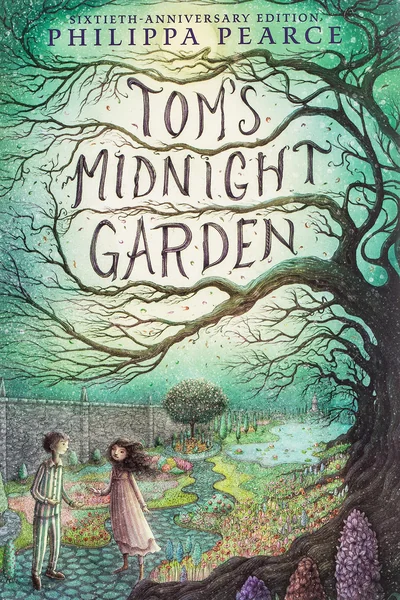
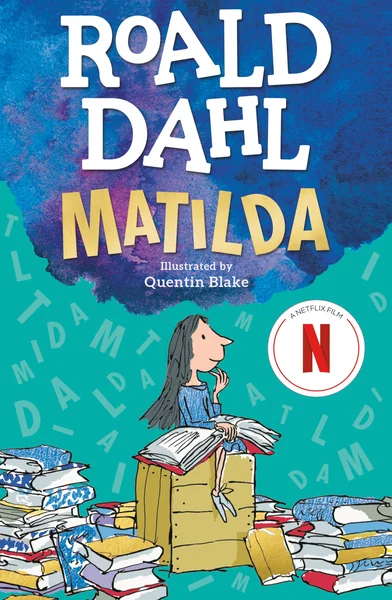
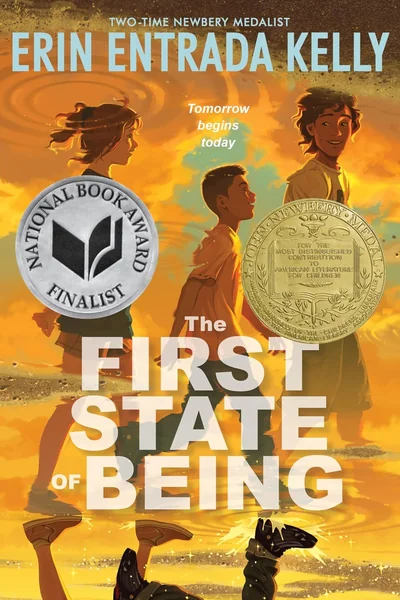
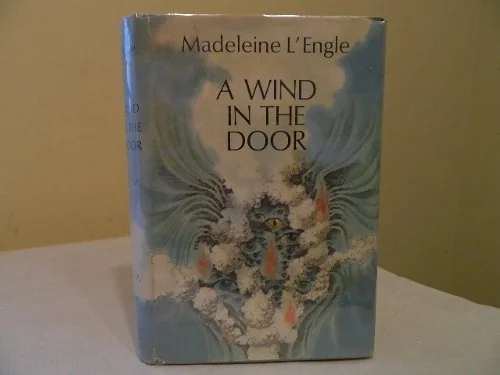
- Readers who respond to A Wrinkle in Time's blend of imaginative world-building and a brainy, unconventional protagonist will find kindred ground in several of the curated recommendations below. A Wind in the Door, L'Engle's direct sequel, extends Meg's story and the Time Quintet's cosmic stakes. Matilda by Roald Dahl shares the theme of a fiercely intelligent girl navigating a world not built for her. Tom's Midnight Garden by Philippa Pearce offers similarly thoughtful middle-grade fantasy with a focus on time and wonder. The First State of Being by Erin Entrada Kelly engages directly with science-fiction ideas in a middle-grade register, and The Wee Free Men by Terry Pratchett features a young protagonist who outsmarts cosmic threats through wit and determined love.
- Who should read this?
- A Wrinkle in Time is aimed squarely at readers aged nine and up, with its richest rewards likely going to those who connect with Meg Murry — a self-doubting, intellectually driven girl whose defining strength is love rather than physical courage. It is an especially strong fit for young readers interested in science fantasy, cosmic questions of good and evil, and coming-of-age stories with real emotional weight. Educators and parents should be aware that its liberal Christian theological threads have generated challenges in some contexts, and the conceptual density — touching on theoretical physics and the fifth dimension — suits confident rather than reluctant readers.
- What age is it for?
- Best for ages 9 and up — the novel's blend of abstract concepts (the tesseract, the fifth dimension, cosmic good versus evil) and its longer, more conceptually demanding prose suit confident middle-grade readers rather than early readers. The book has been designed for that age range since its original 1962 publication, and LuvemBooks notes it rewards different things at different ages, making it equally worthwhile for adult re-readers.
- About Madeleine L'Engle
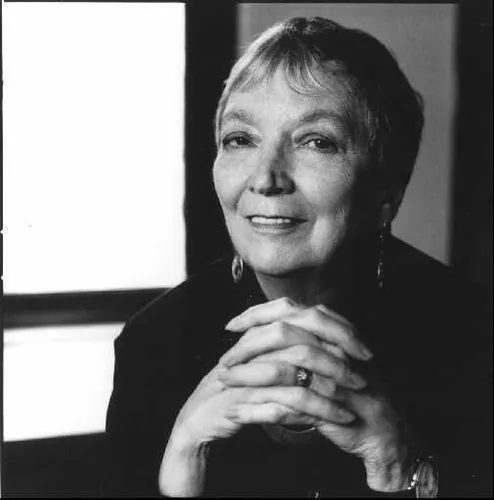
- Madeleine L'Engle was an American writer of fiction, non-fiction, and poetry.
- Tell me about the adaptation
- A Wrinkle in Time has been adapted for both film and television. The review notes that its cultural reach has extended to film, television, and broader pop culture, including a prominent reference in the Netflix series Stranger Things. The 2018 Disney theatrical film, directed by Ava DuVernay, brought the story to a wide modern audience, though the review does not evaluate how faithfully any adaptation represents the source novel.
- Why has it been banned?
- A Wrinkle in Time has appeared on challenged and banned book lists for reasons coming from multiple directions. Conservative Christian groups have objected to elements of L'Engle's liberal Christian theology as incompatible with orthodox belief, while others have challenged the book on entirely different grounds. Librarian Carolyn Horovitz noted the interpretive weight the novel has always carried, and the review frames its contested status as part of the book's record rather than incidental to it.
- Did it win awards?
- A Wrinkle in Time is among the most decorated children's novels of its era. It won the Newbery Medal in 1963 — awarded annually by the Association for Library Service to Children to the author of the most distinguished contribution to American children's literature — as well as the Sequoyah Book Award and the Lewis Carroll Shelf Award. It was also a runner-up for the Hans Christian Andersen Award, and its accolades came after the manuscript had been rejected by some 26 publishers.
Summarize this book
Follow up
Synthesized from verified book data & published reviews · How we review
What would you like to know about A Wrinkle in Time?
Answers come from our editorial notes on this book. If we haven't covered something, we'll say so.
Readers often ask
Our Review
What the Book Is and What It Sets in Motion
Significance and Place in the Canon

Strengths: Ambition, Originality, and a Female Protagonist at the Center
Controversy and the Book's Contested Legacy
The Square Fish Edition and Who the Book Is For
Sources & Further Reading
The key facts and claims in this review are grounded in the retrieved, verified sources listed below.
- 1
Madeleine L'Engle, LuvemBooks
- 2
en.wikipedia.org
- 3
booksamillion.com
- 4
bookanalysis.com
- 5
houseofcadmus.com
- 6
literaryladiesguide.com
- 7
- 8
greenishbookshelf.com
- 9
- 10
- 11
- 12
ala.org
- 13
Age & Reading Level
Recommended age
Ages 9+
Reading level
Middle grade
Tropes
From how readers and romance sites describe it, not our own reading.
2 content notes · who it suits
Content to know about
Best for: Ages 9+ — abstract concepts (tesseract, fifth dimension, cosmic good versus evil) and conceptual density suit confident middle-grade readers
Skip if you want a straightforward adventure with no theological or philosophical undercurrents
Reader reviews
Be one of the first readers to answer.
Read it? Was it right for you?
Books like A Wrinkle in Time
Curated picks for readers who enjoyed A Wrinkle in Time, with our reasoning for each match.
More by Madeleine L'Engle

If you liked A Wrinkle in Time