Super Fun Physics and Chemistry Comic Book for Kids 8-12 Years: An Interactive STEM Science Guide
by Scay WiseHeart
At a glance
Be one of the first readers to answer.
Read it? Was it right for you?
About the Author
Scay WiseHeart1 book reviewed
Super Fun Physics and Chemistry Comic Book for Kids 8-12 Years
An Interactive STEM Science Guide
by Scay WiseHeart
LuvemBooks Verdict
Best for: Curious, science-reluctant readers aged 8–12 who need a low-pressure, visually engaging entry point into STEM — and the parents or educators supporting them at home.
Worth it? Skip it? Read the full verdict →Ask LuvemBooks
Was this helpful?
- Is it worth reading?
- For its intended audience — science-reluctant or STEM-curious children aged 8–12 — the book's comic format, Panda guide character, and household experiments represent a well-matched approach to building early science confidence. Screenwiseapp.com describes it as "a low-pressure way to build STEM literacy without it feeling like extra homework" and praises its ability to replace "I'm bad at science" anxiety with "actual confidence." The caveat is real, however: older or more advanced readers near the top of the age range may find the treatment "a bit breezy," and the book is not a substitute for curriculum-aligned depth. Parents and educators seeking a gentle, enthusiasm-first STEM entry point will find it well-suited to that goal.
- Similar books
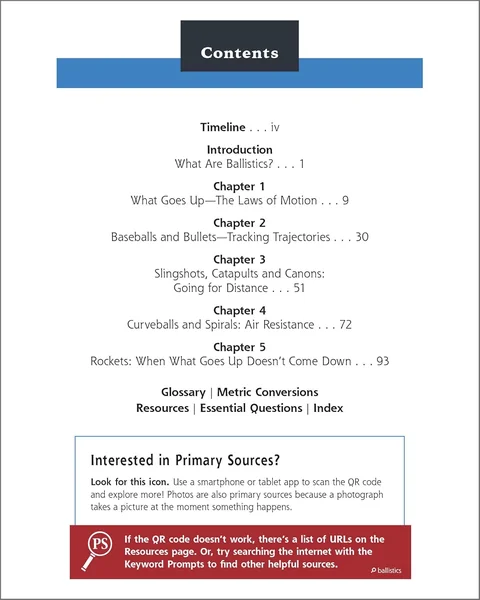
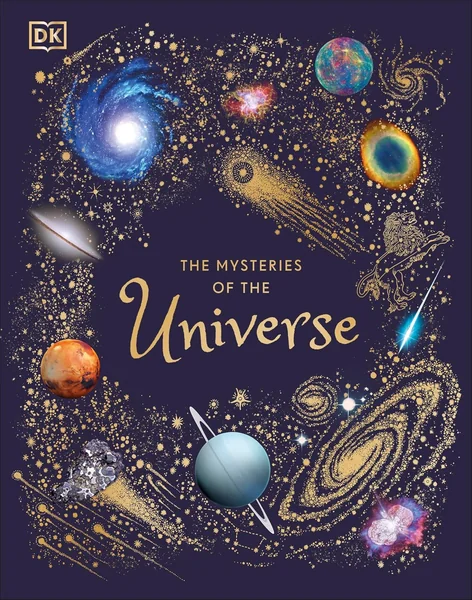
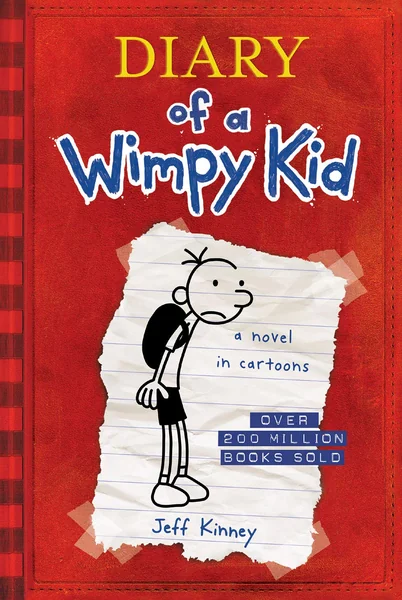
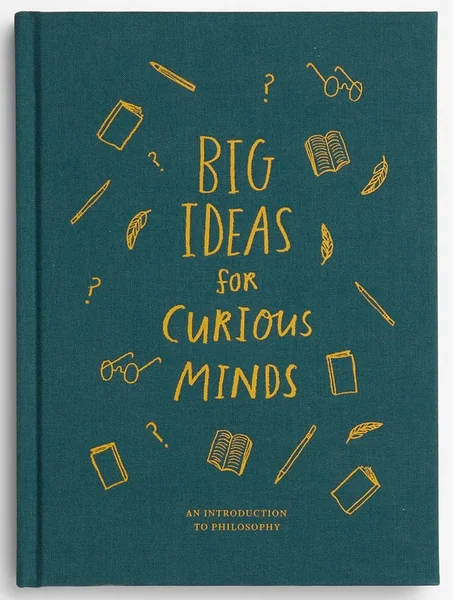
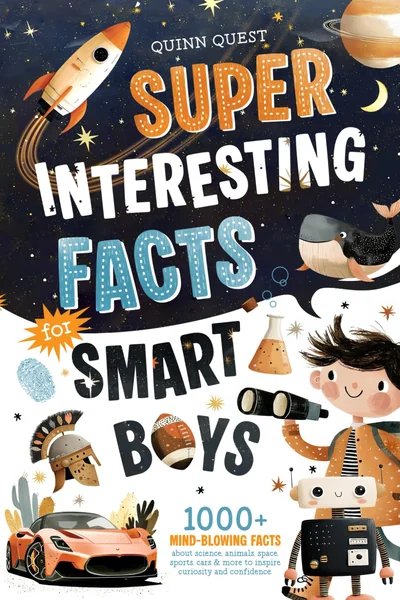
- Readers who enjoy this book's hands-on science spirit may also appreciate Projectile Science: The Physics Behind Kicking a Field Goal by Matthew Brenden Wood, which grounds physics concepts in the relatable context of sports. The Mysteries of the Universe by Will Gater offers similarly visually rich science content for young readers with a curiosity about space and big scientific ideas. For children drawn to the comic-style and fact-packed format, Super Interesting Facts For Smart Boys by Quinn Quest covers science, animals, and space in a similarly accessible, high-engagement style. Big Ideas for Curious Minds by The School of Life offers a related "make abstract ideas approachable for kids" ethos, applied to philosophy. And for children who were first drawn in by illustrated storytelling, Diary of a Wimpy Kid by Jeff Kinney shares the comic-style format, though it is fiction rather than science.
- Who should read this?
- The book's design sweet spot is curious children aged 8–12 who are either science-reluctant or just beginning to engage with STEM content. Screenwiseapp.com identifies it as "perfect for the 8–12 crowd" and specifically highlights its value for children who need a low-pressure, confidence-building entry point to science. Younger readers around age 7 may still engage with the illustrations when reading alongside an adult, while older middle schoolers at the top of the range may find the material a bit breezy. Parents and educators looking for an enthusiasm-first STEM introduction — not a curriculum-aligned deep-dive — will find the book well matched to that goal.
- What age is it for?
- Best for ages 8–12. The book is explicitly designed and pitched for that age band, with screenwiseapp.com confirming it is "perfect for the 8–12 crowd." Younger children around age 7 may still enjoy the illustrations with adult support, while older middle schoolers may find the broad, confidence-first treatment too light for their level. The comic format, Panda guide character, and household-experiment activities are all calibrated to the comprehension and engagement needs of mid-elementary to pre-middle-school readers.
- What's the reading level?
- The book is written for middle-grade readers aged 8–12, with a deliberate emphasis on accessibility over density. The comic format, visual storytelling, and friendly Panda guide character are all designed to lower the comprehension barrier for children who might be intimidated by conventional science texts. Screenwiseapp.com describes it as a "low-pressure" STEM experience, suggesting the language and structure are calibrated to encourage rather than challenge — meaning strong readers in the upper age range may progress through it quickly.
- Does it work for homeschooling or classroom use?
- The book's broad conceptual range — spanning gravity, energy, electricity, magnetism, atomic theory, and introductory quantum physics and nanotechnology — gives it natural overlap with elementary STEM curricula, and its household experiments make it practically usable without specialist equipment. However, as an independently published title it has not received the formal curriculum review or structured scope-and-sequence typical of traditionally published educational STEM guides, which may matter to educators and homeschooling parents seeking guaranteed classroom alignment. Its primary strength is as a confidence-building and curiosity-sparking supplement rather than a standalone curriculum resource.
Summarize this book
Follow up
Synthesized from verified book data & published reviews · How we review
Press Enter to ask. Answers come from our editorial Q&A — start typing to see related questions.
Editorial Review
Scay WiseHeart's independently published STEM guide blends comic-style storytelling, a friendly panda guide named Panda, and household experiments to make physics and chemistry genuinely approachable for readers aged 8–12. This review covers the book's content and design intent based on published sources, not hands-on use.
Read the Full ReviewBooks like Super Fun Physics and Chemistry Comic Book for Kids 8-12 Years
Curated picks for readers who enjoyed Super Fun Physics and Chemistry Comic Book for Kids 8-12 Years, with our reasoning for each match.
If you liked Super Fun Physics and Chemistry Comic Book for Kids 8-12 Years