The Intrapreneur’s Playbook: 13 Proven Ways to Navigate Corporate Resistance
by Andrew Lenti
At a glance
LuvemBooks Verdict
Best for: Mid-to-senior professionals — project leads, department heads, and internal change agents — already embedded in large or complex organizations who need actionable strategies for pushing innovation initiatives past institutional resistance.
Worth it? Skip it? Read the full verdict →Ask LuvemBooks
Was this helpful?
- Is it worth reading?
- For its target reader — mid-to-senior professionals such as project leads, department heads, and internal change agents actively working to move stalled initiatives forward — The Intrapreneur's Playbook offers a precisely calibrated resource grounded in more than 20 years of real organizational experience. Its core differentiator is what it leaves out: by skipping motivational preamble and first-principles argumentation, Lenti frees all 13 chapters for execution depth that is comparatively rare in the business genre. Those looking for broad inspiration or a general leadership primer may find it too tactical; those in the thick of institutional friction may find it exactly what they need.
- Who should read this?
- The Intrapreneur's Playbook is best suited for mid-to-senior professionals — project leads, department heads, and internal change agents — who are already embedded in large or complex organizations and are actively contending with institutional resistance to innovation. It is not aimed at founders, external consultants, or general business readers seeking a leadership primer. Readers familiar with continuous-improvement frameworks will get the most out of it; those earlier in their careers or newer to operational thinking may find the material assumes too much background knowledge.
- Similar books
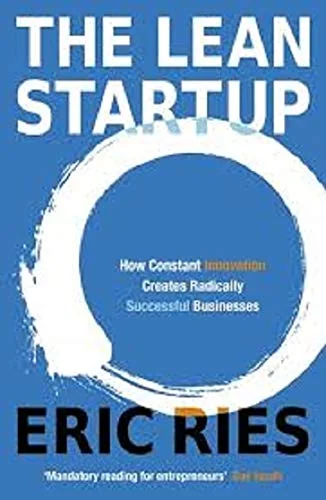
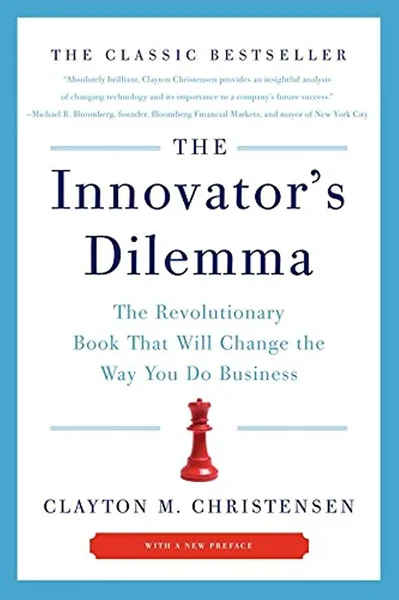
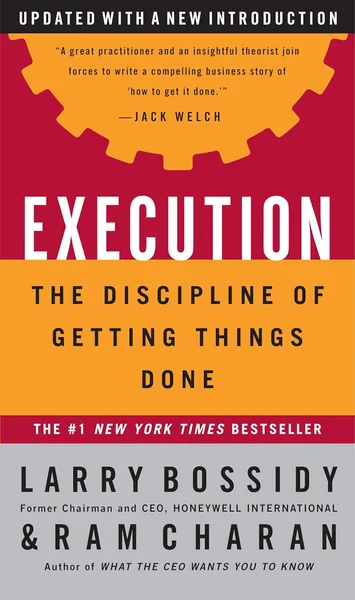
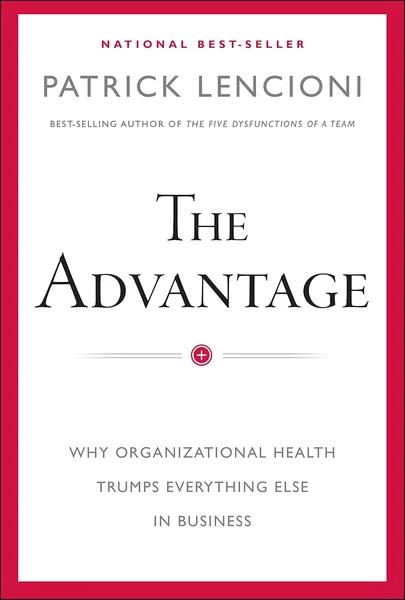
- Readers drawn to The Intrapreneur's Playbook's execution-first approach will find strong companions in several well-regarded business titles. Eric Ries' The Lean Startup shares the "fail fast" iterative mindset, while Larry Bossidy, Ram Charan, and Charles Burck's Execution: The Discipline of Getting Things Done similarly prioritizes implementation over inspiration. For those whose biggest challenge is team dynamics and trust, Patrick Lencioni's The Five Dysfunctions of a Team and The Advantage offer complementary frameworks for building organizational health. Clayton Christensen's The Innovator's Dilemma provides useful theoretical context on why large organizations resist change — the very problem Lenti's playbook is designed to solve.
- About Andrew Lenti
- Andrew Lenti is the author of The Intrapreneur's Playbook (independently published, 254 pages), a step-by-step guide for professionals looking to drive change from within their organizations. He brings more than 20 years of experience optimizing organizations and is Co-Founder and CEO of TOPP Tactical Intelligence. In 2015, he left a 15-year career in financial services across six European countries.
- What are the main themes?
- The central themes of The Intrapreneur's Playbook cluster around the practical mechanics of organizational change from within: breaking down internal silos, building trust within and between teams, prioritizing improvement initiatives, and aligning stakeholders around core KPIs. Underpinning all 13 chapters is Lenti's "fail fast, fail forward" philosophy — a conviction that incremental iteration and learning from setbacks, rather than grand disruption strategies, is how real change moves through resistant corporate structures. The guide consistently privileges execution over theory, treating organizational friction not as an obstacle to route around but as the specific terrain to be navigated.
- How should I use this book?
- LuvemBooks describes The Intrapreneur's Playbook as functioning as both a cover-to-cover read and a working reference — a distinction driven by its modular 13-chapter design. Professionals facing a specific organizational obstacle, such as a siloed team or stalled initiative prioritization, can navigate directly to the relevant chapter rather than reading linearly. For those actively embedded in a change effort, it is best treated as a tactical companion to keep close during an initiative rather than a book to read once and shelve.
Summarize this book
Follow up
Synthesized from verified book data & published reviews · How we review
Press Enter to ask. Answers come from our editorial Q&A — start typing to see related questions.
Age & Reading Level
Recommended age
Adult
Reading level
Adult
who it suits
Skip if you're looking for foundational innovation theory or a broad leadership primer rather than a tactical execution guide.
Editorial Review
Andrew Lenti's The Intrapreneur's Playbook: 13 Proven Ways to Navigate Corporate Resistance and Drive Innovation from Within is a step-by-step business guide, independently published in 2025, that draws on Lenti's more than 20 years of experience optimizing organizations from within — structured across 13 chapters, each targeting a distinct pillar of his "fail fast, fail forward" philosophy, from breaking down internal silos to marshaling teams around core KPIs.
Read the Full ReviewBooks like The Intrapreneur’s Playbook
Curated picks for readers who enjoyed The Intrapreneur’s Playbook, with our reasoning for each match.
If you liked The Intrapreneur’s Playbook