Sun Tzu
2
Books ReviewedAsk LuvemBooks about Sun Tzu
- Where should I start?
- Start with The Art of War. It is Sun Tzu's defining work and the text that all of his subsequent influence flows from — reading it first gives you the original framework rather than a curated or anthologised version. It is also genuinely short, making it a low-commitment entry point that rewards careful, slow reading rather than a quick skim.
- What's their writing style?
- Sun Tzu writes in an extremely compressed, aphoristic style — short declarative statements that assert strategic principles without elaborating on them in conventional argumentative prose. There is very little narrative or personal voice; instead, the text reads almost like a codified list of maxims, which gives it an oracular quality. This terseness is both a strength and a challenge: the brevity leaves room for interpretation across wildly different contexts, but it also means the text demands active engagement from the reader to apply its ideas.
- Books we've reviewed
- LuvemBooks has reviewed two titles featuring Sun Tzu. The Art of War is his foundational strategic treatise, earning an Amazon reader rating of 4.7/5 from nearly 9,000 ratings — one of the highest-rated texts in the Business and Economics category on the site. World's Greatest Classics is a multi-author anthology that includes The Art of War alongside canonical works by Jack London, Jane Austen, and others, and carries an Amazon reader rating of 4.2/5 from 122 ratings.
- How do their books compare?
- The two reviewed titles serve very different purposes. The Art of War is a standalone strategic text meant to be read and studied on its own terms, with a tightly focused argument about competition and conflict that unfolds across 13 short chapters. The World's Greatest Classics anthology includes The Art of War as one of several canonical works, making it a broader sampler rather than a deep engagement with Sun Tzu specifically — useful if you want range, but not the right choice if Sun Tzu is your primary interest.
- What genre do they write?
- Sun Tzu's work sits primarily in the Business and Economics category as classified by modern publishers, though its origins are in military strategy and philosophy. The Art of War is ancient non-fiction — a strategic treatise rather than a narrative or argumentative text in the modern sense. Its genre classification reflects how contemporary readers actually use it: as a practical framework for competition and decision-making across professional contexts.
- What should I read after The Art of War?
- After The Art of War, readers often move toward other classical strategic or philosophical texts that engage with similar questions of competition and adaptability — Niccolò Machiavelli's The Prince is a common next step for those interested in the political dimensions of strategy. For readers drawn to the Eastern philosophical context, the Tao Te Ching by Laozi covers related territory on yielding, efficiency, and the nature of effective action. If you want to stay within Sun Tzu's world, seeking out a heavily annotated edition with the Eleven Commanders' commentaries offers a significantly deeper engagement with the original text.
Who is Sun Tzu?
Follow up
Synthesized from verified book data & published reviews · How we review
Press Enter to ask. Answers come from our editorial Q&A — start typing to see related questions.
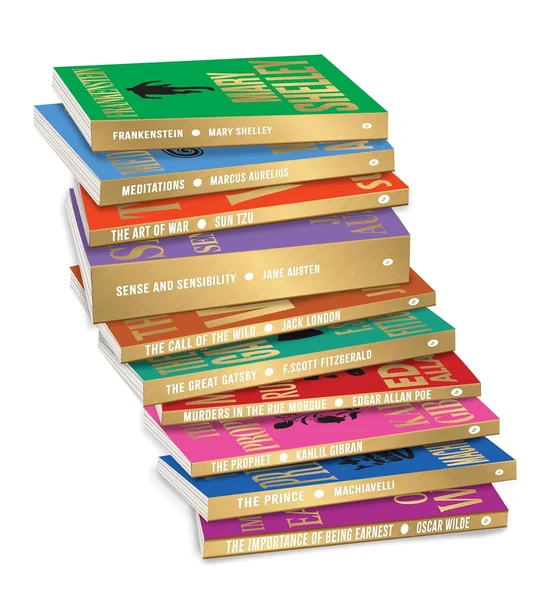
World's Greatest Classics (Call of the Wild; Frankenstein; The Art of War; The Great Gatsby; Sense and Sensibility; The Importance of Being Earnest; The by Jack London, Sun Tzu, Jane Austen
4.2/5
Published by Fingerprint in August 2023, World's Greatest Classics is a boxed set gathering ten canonical works — spanning adventure, gothic horror, military philosophy, social satire, romance, and poetry — into a single paperback collection designed for readers who want a broad, genre-crossing foundation in world literature.
Reviewed Jun 28, 2026
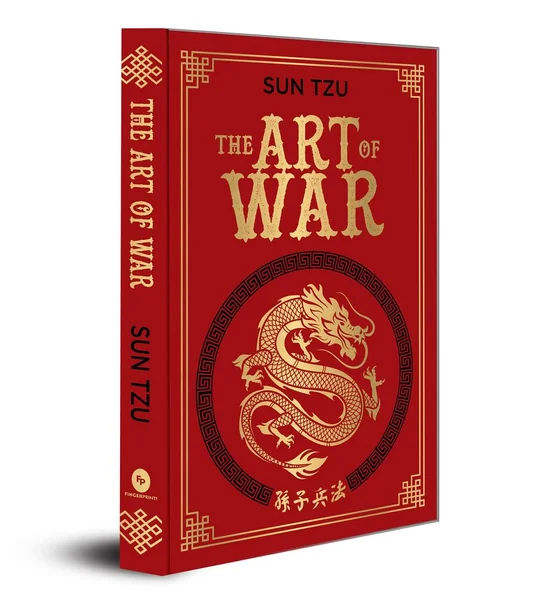
The Art of War by Sun Tzu
4.7/5
Dating from the late Spring and Autumn period of ancient China (roughly the 5th century BCE), Sun Tzu's The Art of War is a 13-chapter military treatise that Wikipedia describes as one of the most influential works on strategy of all time — a judgment borne out by its continuous use across nearly 2,500 years of military, political, and intellectual history. This Fingerprint reprint edition makes the text newly accessible in hardcover, carrying forward a work whose reach extends far beyond its original battlefield context.
Reviewed Feb 10, 2026
Authors Like Sun Tzu
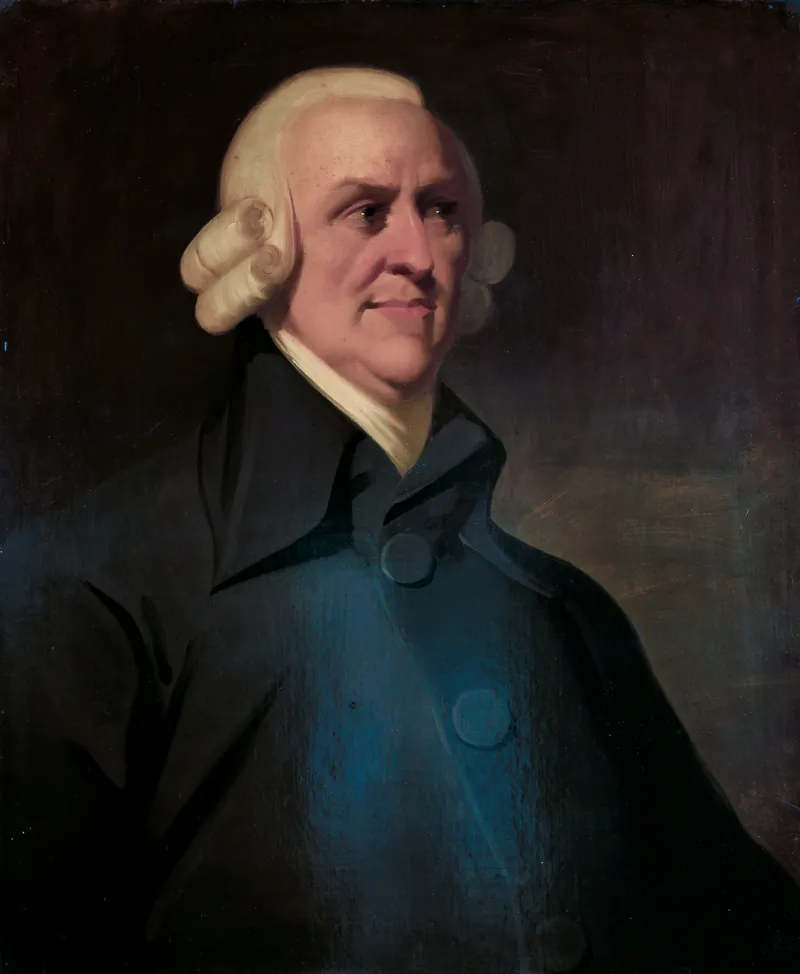
Adam Smith
Adam Smith was a Scottish economist and philosopher who was a pioneer in the field of political economy and key figure during the Scottish Enlightenment.
1 book reviewed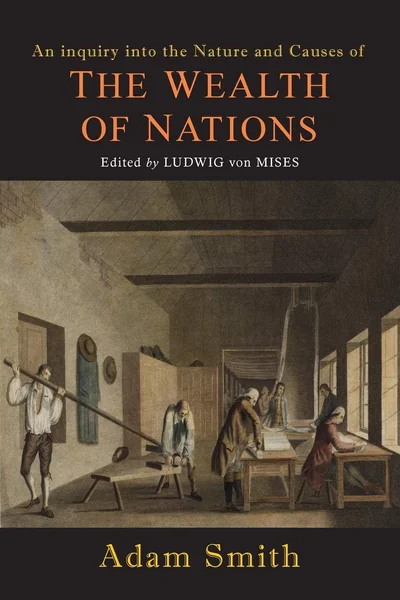
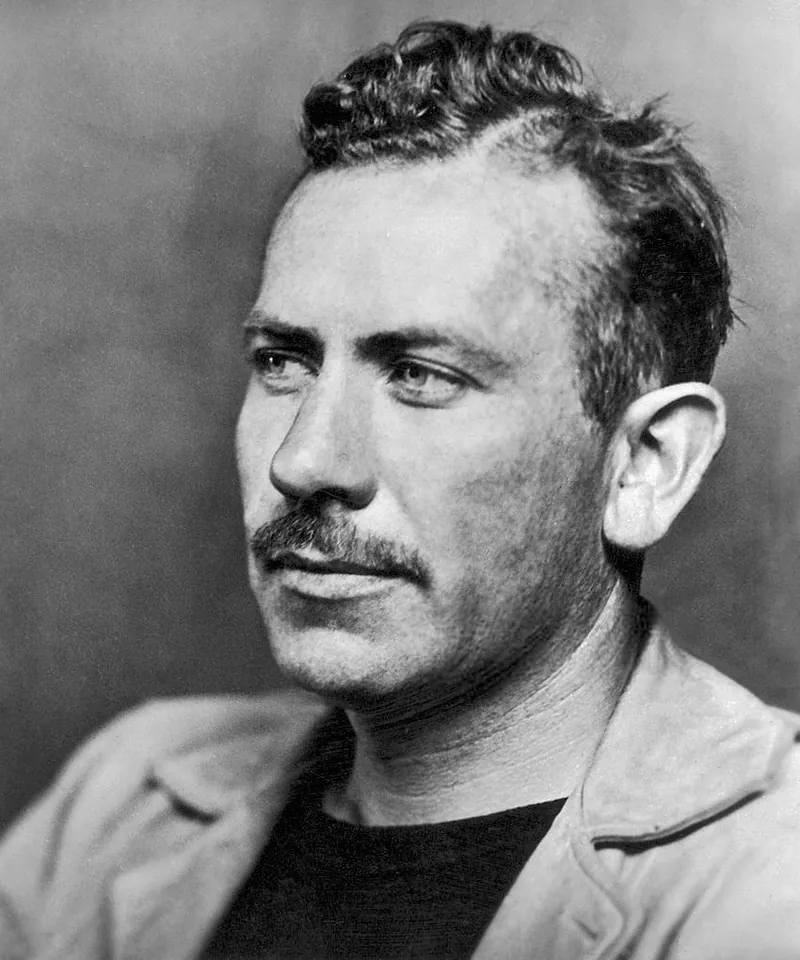
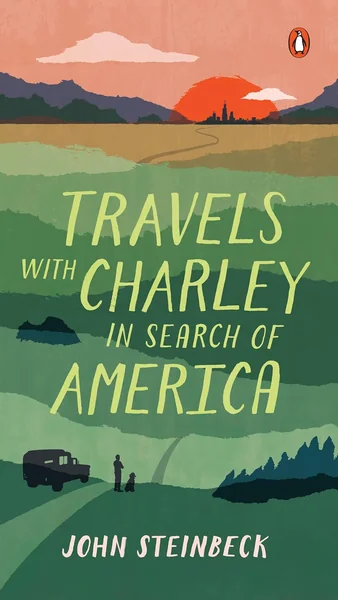
John Steinbeck
John Ernst Steinbeck was an American writer and novelist.
3 books reviewed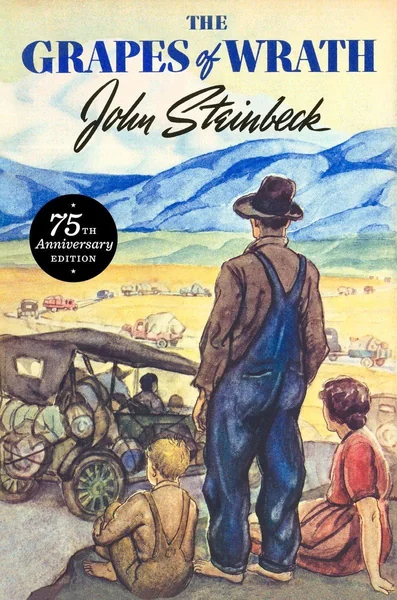
Ancius Boethius
Anicius Manlius Severinus Boethius (born c. 475–480 C.E., died 526 C.E.) was a Roman scholar, writer, philosopher, and politician of the Early Middle Ages. An eminent public figure under the Gothic emperor Theodoric and an exceptional Greek scholar, he is best known for *The Consolation of Philosophy*. He aimed to translate the complete works of Aristotle and Plato into Latin and is recognized as a key intermediary between ancient philosophy and the Latin Middle Ages.
1 book reviewed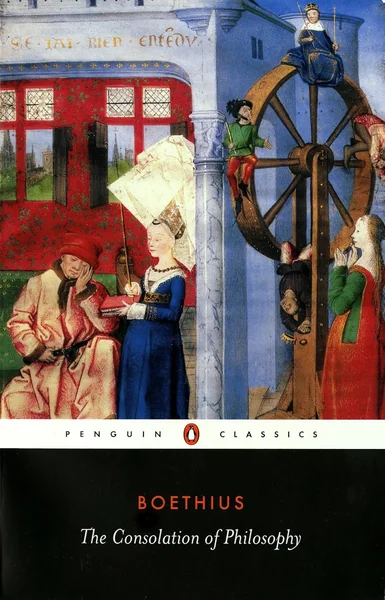
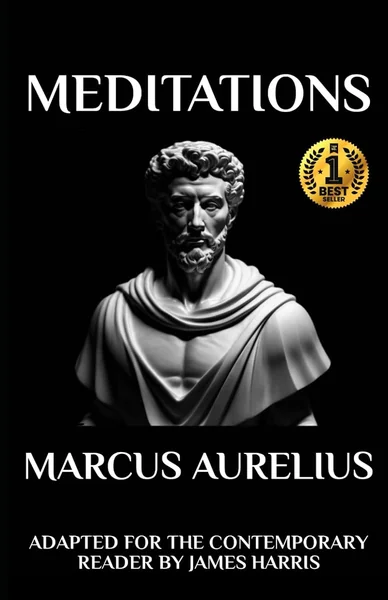
Marcus Aurelius
Marcus Aurelius (April 26, 121 CE – March 17, 180 CE) was a Roman Emperor (161–180 CE) born into a wealthy patrician family in Rome. Raised by his mother and paternal grandfather after his father's death, he is best known for his *Meditations*, a series of private writings on Stoic philosophy that remain a key source for understanding ancient Stoicism.
2 books reviewed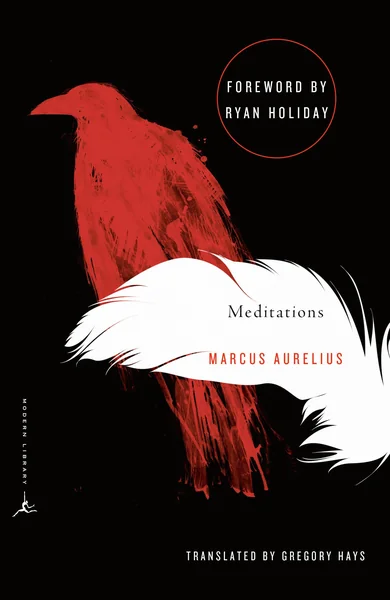
Various

J. D. Salinger
Jerome David Salinger was an American author best known for his 1951 novel The Catcher in the Rye.
1 book reviewed