Stephen J. Dubner
2
Books ReviewedAsk LuvemBooks about Stephen J. Dubner
- Where should I start?
- Start with Freakonomics: A Rogue Economist Explores the Hidden Side of Everything — it's the book that launched the franchise and lays out the core method: using data and incentive theory to challenge conventional wisdom on topics from crime to parenting. It's the most widely read entry point, carries a reader rating of 4.4/5 on Amazon from over a thousand ratings, and sets up the worldview that runs through everything Dubner and Levitt produce together.
- What's their writing style?
- Dubner writes in a conversational, anecdote-led style that uses real-world data to upend intuitive assumptions — a technique sometimes called 'contrarian empiricism.' He and Levitt open chapters with provocative questions (why do drug dealers live with their mothers? do swimming pools kill more children than guns?) and then walk readers through the evidence methodically but without jargon. The tone is witty and occasionally irreverent, which is part of why titles like SuperFreakonomics: Global Cooling, Patriotic Prostitutes, and Why Suicide Bombers Should Buy Life Insurance lead with deliberately eye-catching subtitles.
- Books we've reviewed
- LuvemBooks has reviewed two books by Dubner, both co-authored with Steven D. Levitt. Freakonomics (4.4/5 from 1,387 Amazon ratings) is the original, applying economic logic to social phenomena that have nothing obvious to do with money or markets. SuperFreakonomics (4.4/5 from 4,600 Amazon ratings) continues the same approach with a new set of questions, including chapters on global warming fixes and the economics of street prostitution.
- How do the two books compare?
- Both Freakonomics and SuperFreakonomics share the same co-authors, methodology, and reader rating of 4.4/5 on Amazon, which suggests the sequel delivers a very similar experience. The main difference is subject matter: Freakonomics leans heavily on crime, education, and parenting data, while SuperFreakonomics ventures into climate engineering, terrorism, and global health. Readers who enjoy one almost universally enjoy the other — the sequels function more like a second album in the same style than a departure.
- Why is Freakonomics trending now?
- Freakonomics: A Rogue Economist Explores the Hidden Side of Everything is currently experiencing a resurgence in reader interest on LuvemBooks. Books of this type often resurface when economic uncertainty or social disruption prompts readers to seek out frameworks for understanding why things happen the way they do — and Freakonomics's core argument, that incentives quietly drive most human behavior, tends to feel newly relevant in unsettled times.
- What genre does Dubner write?
- Both books reviewed on LuvemBooks are catalogued under Business & Economics, but that label understates the scope — the books draw on sociology, criminology, and behavioral science as much as economics. A more precise description might be popular social science: writing that uses quantitative data to explain human behavior for a non-specialist audience. Readers who enjoy Malcolm Gladwell or Daniel Kahneman often find Dubner and Levitt's work a natural fit.
- What should I read after Freakonomics?
- The most natural next step is SuperFreakonomics: Global Cooling, Patriotic Prostitutes, and Why Suicide Bombers Should Buy Life Insurance — it's written by the same duo, in the same style, and picks up a fresh set of questions without repeating itself. If you want to stay in similar popular social science territory beyond Dubner's own work, authors like Malcolm Gladwell (The Tipping Point) or Daniel Kahneman (Thinking, Fast and Slow) occupy adjacent space.
Who is Stephen J. Dubner?
Follow up
Synthesized from verified book data & published reviews · How we review
Press Enter to ask. Answers come from our editorial Q&A — start typing to see related questions.
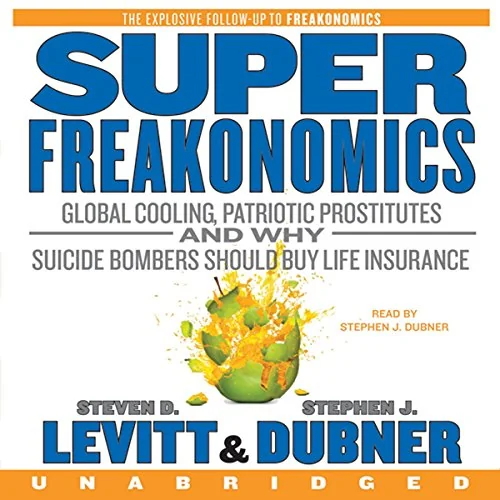
SuperFreakonomics: Global Cooling, Patriotic Prostitutes, and Why Suicide Bombers Should Buy Life Insurance by Steven D. Levitt and Stephen J. Dubner
4.4/5
SuperFreakonomics is the follow-up non-fiction book from University of Chicago economist Steven D. Levitt and New York Times journalist Stephen J. Dubner, applying unconventional economic reasoning to subjects ranging from street prostitution to suicide bombing to climate change — and generating serious pushback from scientists on the latter. This review is based on published sources and reception, not hands-on use of the audiobook.
Reviewed Jul 21, 2026

Freakonomics: A Rogue Economist Explores the Hidden Side of by Steven D. Levitt, Stephen J. Dubner
4.4/5
Freakonomics, the debut non-fiction collaboration between University of Chicago economist Steven D. Levitt and New York Times journalist Stephen J. Dubner, published by William Morrow on April 12, 2005, applies economic theory to a deliberately provocative range of subjects — from sumo wrestling corruption and crack-cocaine earnings to the role of legalized abortion in reducing crime — and went on to sell over 4 million copies worldwide by late 2009, spawning a multi-media franchise that redefined popular economics writing.
Reviewed Mar 4, 2026
Authors Like Stephen J. Dubner

Carol S. Dweck
Carol S. Dweck, Ph.D., is an American psychologist and author best known for her research on mindset, motivation, and success. She coined the term "growth mindset" and brought it mainstream with her 2006 book *Mindset: The New Psychology of Success*. She has held professorships at Columbia and Harvard Universities, has lectured worldwide, and is married to David Goldman, a national theatre director and founder of the National Center for New Plays at Stanford.
1 book reviewed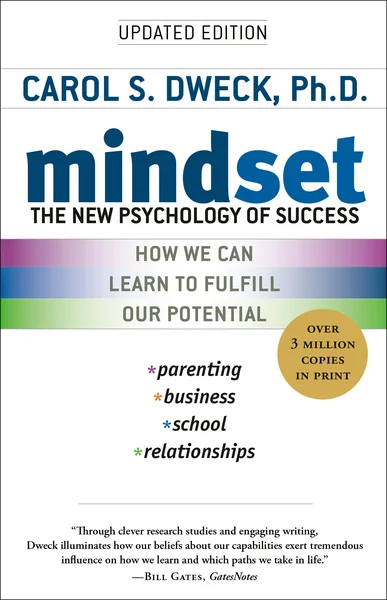

Brené Brown
Casandra Brené Brown is an American academic and podcaster who is the Huffington Foundation's Brené Brown Endowed Chair at the University of Houston's Graduate College of Social Work and a visiting professor in management at the McCombs School of Business in the University of Texas at Austin..
1 book reviewed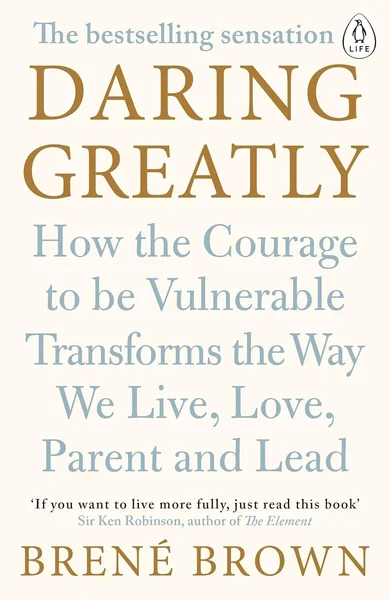

Donella H. Meadows
Donella Hager "Dana" Meadows was an American environmental scientist, educator, and writer.
1 book reviewed

Simon Singh
Simon Lehna Singh, is a British popular science author and theoretical and particle physicist.
1 book reviewed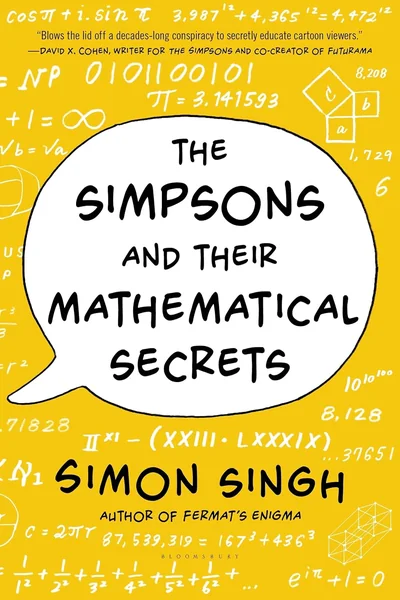

Eric Ries
Eric Ries is an American entrepreneur, blogger, and author of The Lean Startup, a book on the lean startup movement.
1 book reviewed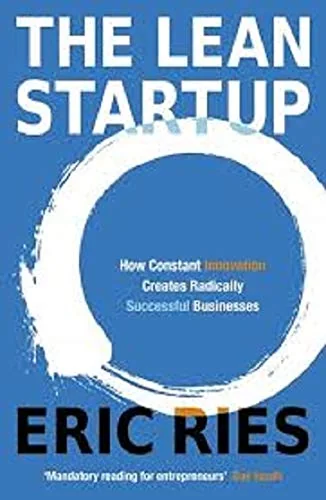
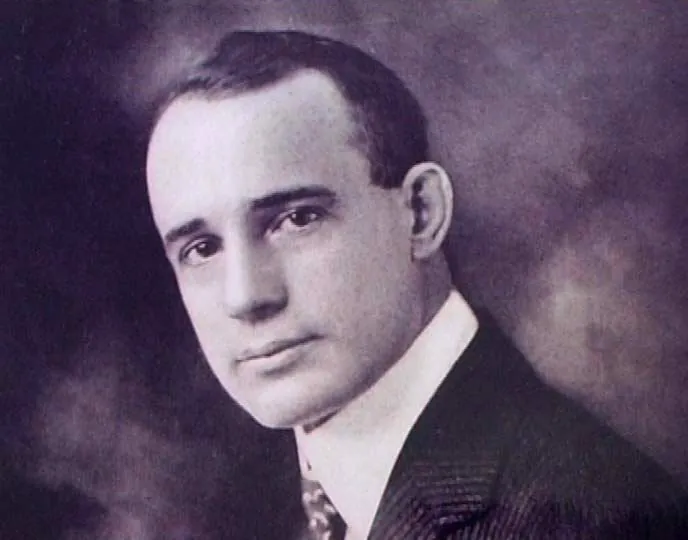
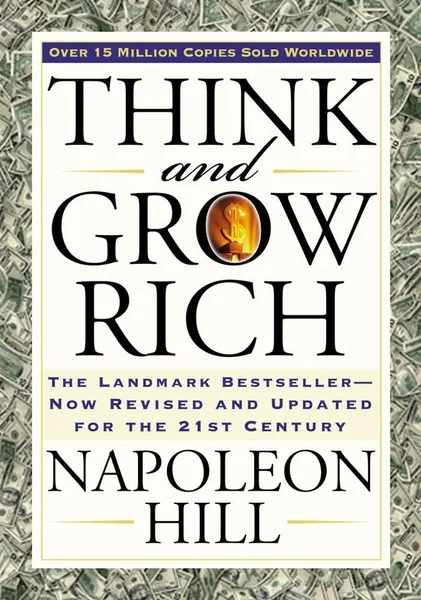
Napoleon Hill
Oliver Napoleon Hill was an American self-help author and con man who is best known for his book Think and Grow Rich (1937), which is among the best-selling self-help books of all time.
1 book reviewed