How legal rulings debunked stop-and-frisk policing
Gladwell notes that when the 2013 Floyd v. City of New York ruling halted stop-and-frisk policing, virtually all experts expected crime to rebound, but crime continued falling dramatically instead.


Malcolm Gladwell delivers a TED talk reflecting on his bestselling book 'The Tipping Point' and re-examining the 'broken windows' theory 25 years later.
Uploaded by TED, 2025 · Watch on YouTube ·
Gladwell notes that when the 2013 Floyd v. City of New York ruling halted stop-and-frisk policing, virtually all experts expected crime to rebound, but crime continued falling dramatically instead.
Gladwell reflects that his younger self wrongly thought persuading an audience required projecting absolute certainty, whereas readers and listeners actually appreciate acknowledging doubt and fragility.
4.6/5
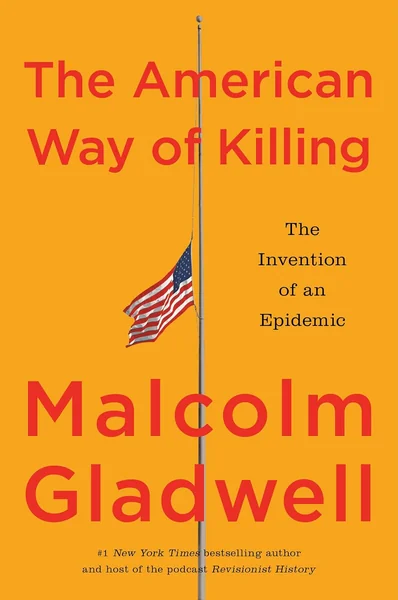
reader rating · 468 ratingsThe American Way of Killing: The Invention of an Epidemic is Malcolm Gladwell's investigation into why the United States, the world's wealthiest nation, suffers from homicide rates typically seen only in the world's poorest countries. Drawing on original interviews, archival research, and social science, Gladwell pursues the question through a series of narrative set-pieces spanning Chicago, Alabama, Washington D.C., and beyond. The Guardian finds his trademark approach "occasionally insightful" but ultimately thin on the structural analysis the subject demands.
Reviewed Oct 21, 2026
4.4/5
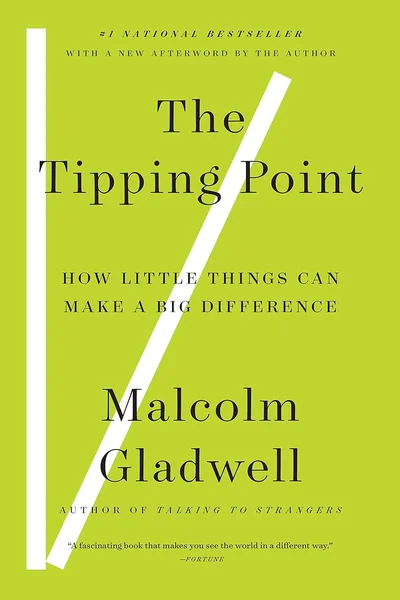
reader rating · 10,006 ratingsThe Tipping Point is Malcolm Gladwell's debut non-fiction book, first published by Little, Brown in 2000, arguing that social epidemics — the sudden spread of ideas, products, and behaviors — obey identifiable rules that anyone can learn to harness. It became a New York Times bestseller and sold 1.7 million copies by 2006, cementing Gladwell as one of the most widely read popular science writers of his generation.
Reviewed Oct 5, 2026
Ask LuvemBooks
Press Enter to ask. Answers come from our editorial Q&A — start typing to see related questions.
Daniel Kahneman
Daniel Kahneman (March 5, 1934 – March 27, 2024) was an Israeli-American psychologist best known for his work on the psychology of judgment, decision-making, and behavioral economics. Born in Tel Aviv, he was awarded the 2002 Nobel Prize in Economics and authored the bestselling popular science book *Thinking, Fast and Slow* (2011), which explores two distinct systems that drive human thought.
1 book reviewed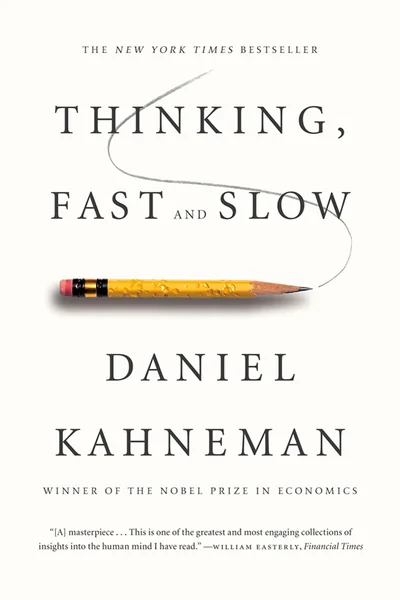
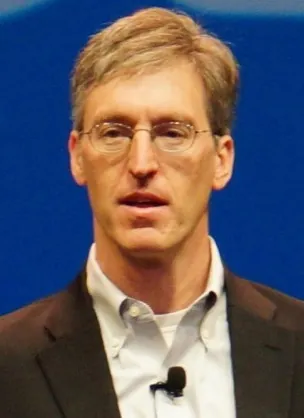
Steven D. Levitt
Steven David Levitt is an American economist and co-author of the best-selling book Freakonomics and its sequels.
2 books reviewed
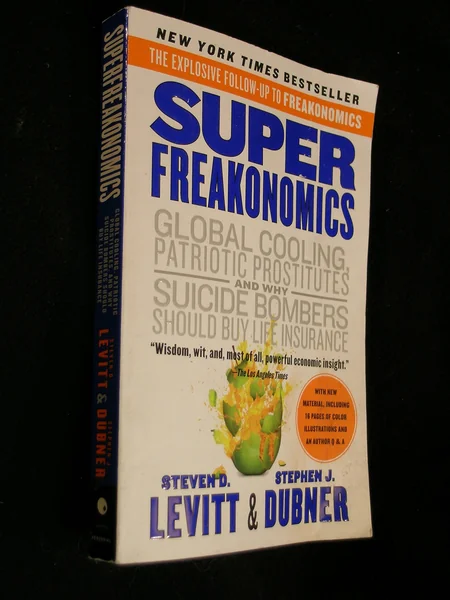
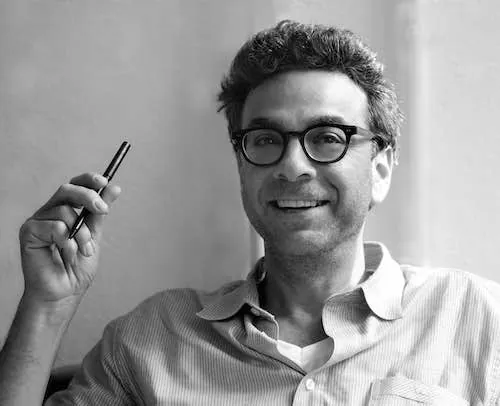
Stephen J. Dubner
Stephen Joseph Dubner is an American author, journalist, and podcast and radio host.
2 books reviewed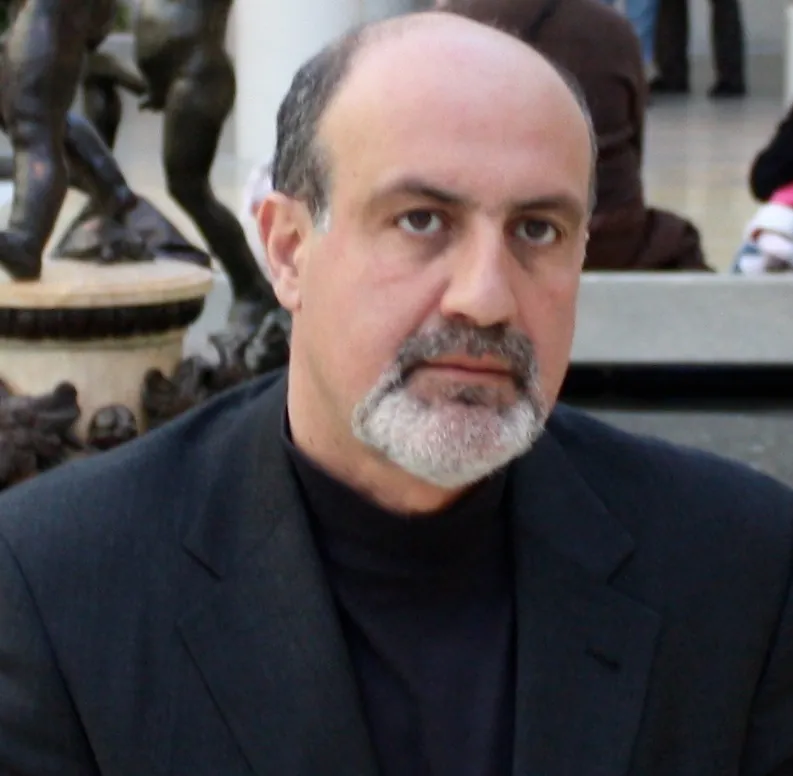
Nassim Nicholas Taleb
Born in Lebanon and raised between cultures, **Nassim Nicholas Taleb** brings a uniquely global perspective to his groundbreaking work on uncertainty and risk.
1 book reviewed
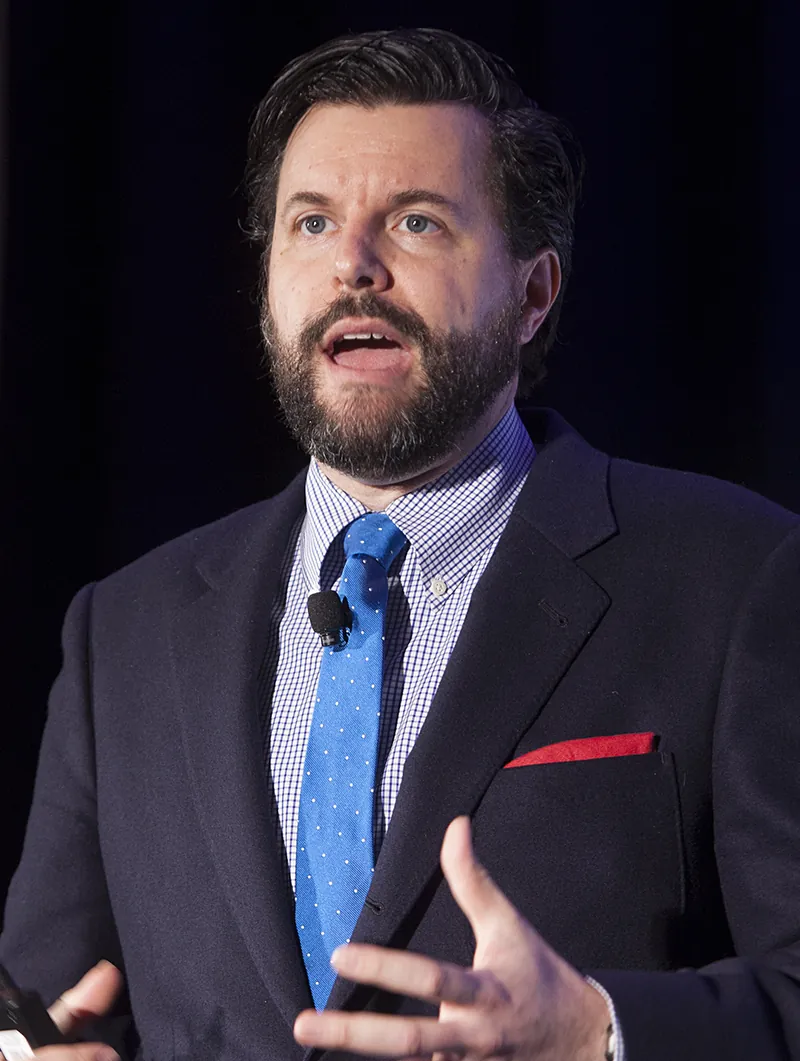
Charles Duhigg
Charles Duhigg is an American journalist and non-fiction author.
1 book reviewed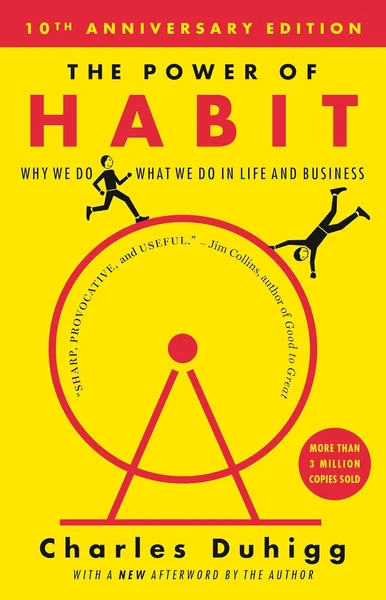
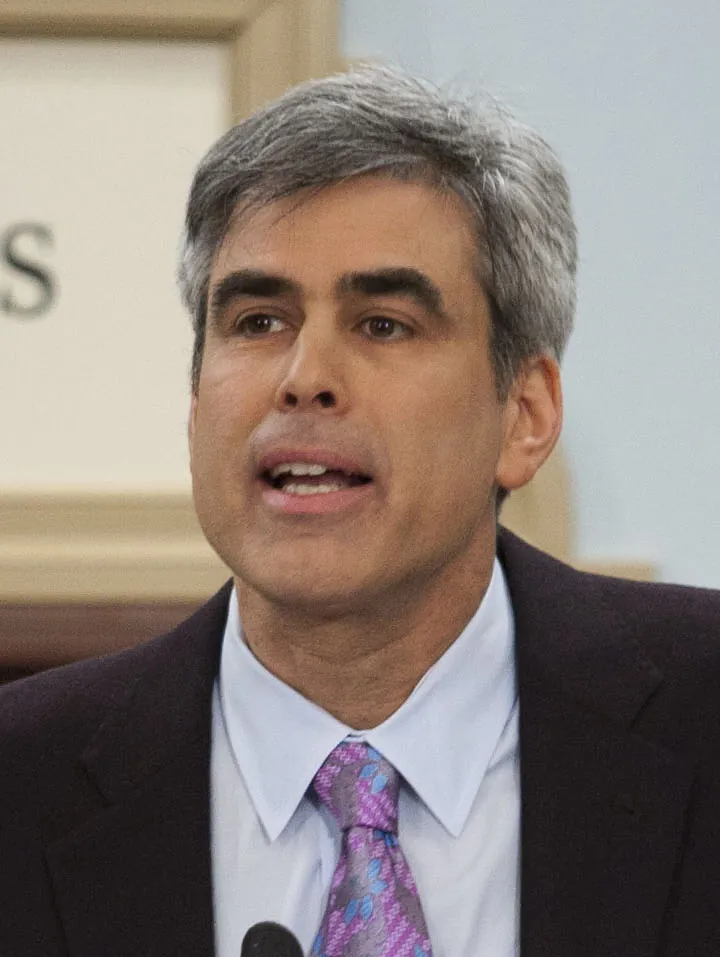
Jonathan Haidt
Jonathan David Haidt is an American social psychologist and author.
3 books reviewed