7 min read
Share This Review
Our review
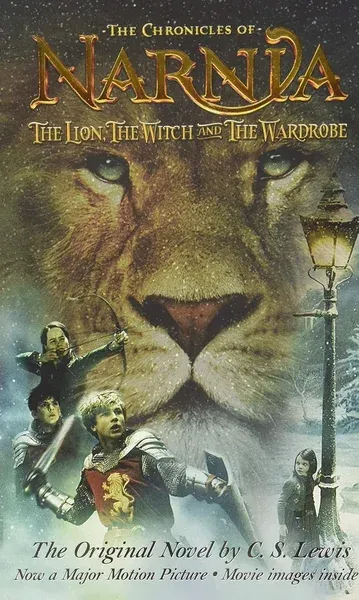
The Lion, the Witch and the Wardrobe
The Lion, the Witch and the Wardrobe Review: Flawed but Beloved (C. S. Lewis)
C. S. Lewis's fantasy sends four evacuated Pevensie children through a wardrobe into Narnia, where Aslan opposes the White Witch. Reviewers praise its wonder and Aslan while faulting a plot full of holes and an abrupt ending.
LuvemBooks Verdict
Best for
Readers of about nine and up, and adults, who want an atmospheric, mythic children's fable carried by Narnia's wonder and Aslan rather than by tight plotting.
Worth it if
Worth reading if you want the doorway into the Chronicles of Narnia and can accept a story that works as a fable of wonder more than as carefully built storytelling.
Skip if
Skip it if you need a convincing return-home ending, since the book blogger behind Eyrie found the children's role senseless and the ending unsatisfying.
Where reviewers agree and split
Readers rate it 4.7 on Amazon. The reviews we read that discuss it in depth agree:
Only The Guardian and Kirkus Reviews discuss its prose: both praise the writing style.
Prose
2 praise the writing style
Plot
2 find the plot flawed or heavy
Who says what
Prose
“Lewis has a clear and vivid writing style, which makes it easy for the reader to follow and remain engrossed.”
— The Guardian · Trade reviewPlot
“The plot is full of holes, the role of the children in that plot makes no sense”
— Eyrie · Book blogWhat readers & critics say
Reviewers lean positive but not unanimous: Kirkus Reviews found the prose witty and the action fast-moving while calling the plot a "pretty heavy pudding" at the end, and a young reviewer on The Guardian's children's site loved the vivid style and called it a children's classic. A devoted rereader, finds it slight and disjointed as a single book, redeemed by its sense of delight and by Aslan.
“Lewis has a clear and vivid writing style, which makes it easy for the reader to follow and remain engrossed.”
— The Guardian“The plot thickens to a pretty heavy pudding at the end, but the prose is witty and the novel action is fast-moving.”
— Kirkus ReviewsAsk LuvemBooks
Was this helpful?
- Is it worth reading?
- Yes, if you want the doorway into Narnia and can accept a story that runs on atmosphere more than construction. A young Guardian reviewer found it immersive, while the Eyrie blogger found shaky plotting redeemed by delight and by Aslan. Anyone who prioritizes intricate plotting should adjust expectations.
- Similar books
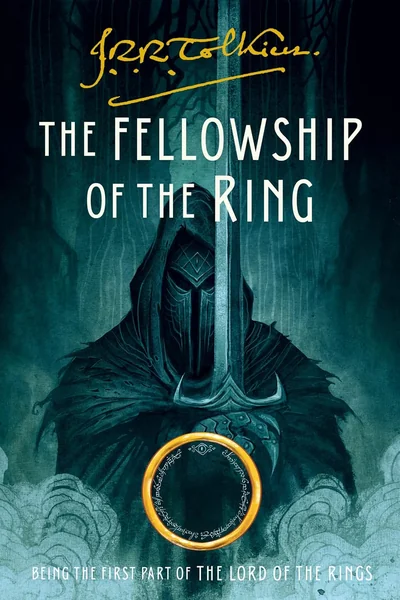
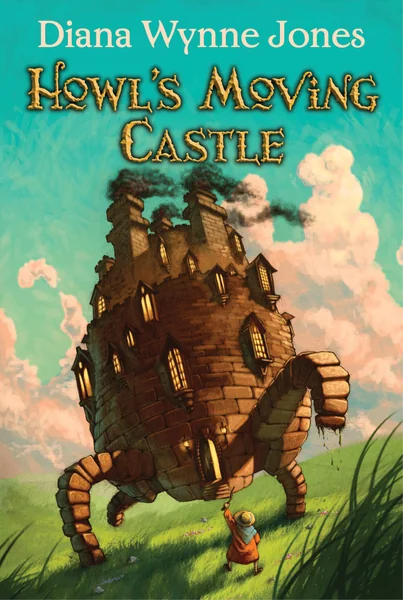
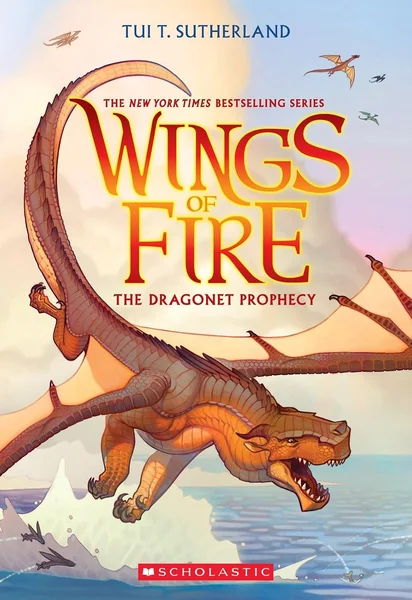
- For another quest through a richly built world, The Fellowship of the Ring by J.R.R. Tolkien offers a more elaborate mythology, fitting given Lewis's friendship with Tolkien. Howl's Moving Castle by Diana Wynne Jones brings a more playful, character-driven magic. The Dragonet Prophecy by Tui T. Sutherland suits younger readers who enjoy a destined-heroes adventure. Lewis's The Screwtape Letters is a very different book, a satirical work of Christian thought rather than fantasy.
- Who should read this?
- Children around nine and up, the audience the Guardian reviewer says Lewis writes for, along with adults happy to enjoy a mythic fable. It suits readers who value wonder, a memorable central figure and an atmospheric setting over intricate plotting. Those seeking a more satisfying conclusion should look elsewhere.
- What age is it for?
- Best for ages 9 and up, matching the audience the Guardian reviewer says Lewis writes for. Younger children may enjoy it read aloud, though no source we found addresses that. The Eyrie blogger notes flaws in how Lewis treats race and gender, and one remark about war strikes that reviewer as sexist, which parents may want to discuss with children.
- About C. S. Lewis
- Clive Staples Lewis was a British author, literary scholar and Anglican lay theologian. LuvemBooks has also reviewed his nonfiction work The Four Loves.
- Does it matter if I'm not religious?
- The Eyrie blogger, raised an evangelical but no longer part of that faith, found the Stone Table sequence more emotionally effective than the biblical event it echoes. That reader treated the religious reading as central to the book's power rather than a burden on it.
- How well regarded is it?
- Wikipedia notes it ranked ninth in the BBC's 2003 Big Read poll and appears on Time magazine's lists of the best young-adult books and the best English-language novels since 1923. Critical reaction has been mixed alongside that standing, with Tolkien among those who objected to its patchwork of borrowed myth.
Summarize this book
Follow up
Synthesized from verified book data & published reviews · How we review
What would you like to know about The Lion, the Witch and the Wardrobe?
Answers come from our editorial notes on this book. If we haven't covered something, we'll say so.
Readers often ask
Our Review
We review the evidence: published critics, reader verdicts and BookTube reviews, gathered and weighed with AI assistance and edited by LuvemBooks, rather than one reader's first-hand take.
What happens in The Lion, the Witch and the Wardrobe?
What did reviewers make of Aslan and Narnia's atmosphere?
Where does the plot of The Lion, the Witch and the Wardrobe fall short?
What does the Christian allegory add or cost?
Is The Lion, the Witch and the Wardrobe worth reading?
Sources & Further Reading
The key facts and claims in this review are grounded in the retrieved, verified sources listed below.
- Cited in this review
- 1
- 2
en.wikipedia.org
- Further reading
- 3
C. S. Lewis, LuvemBooks
- 4
en.wikipedia.org
- 5
- 6
- 7
- 8
- 9
store.focusonthefamily.com
- 10
- 11
Kirkus Reviews
Age & Reading Level
Our age band
Ages 9+
Reading level
Middle grade
Amazon listing
Ages 8+ (set by customers)
Our age band groups books for browsing; it isn't an age a review gave.
3 content notes · who it suits
Content to know about
Best for: Ages 9+ — the fable's abstract themes and longer text suit confident readers
Skip if you need a watertight plot or a convincing return-home ending.
Reader reviews
Be one of the first readers to answer.
Read it? Was it right for you?
Books like The Lion, the Witch and the Wardrobe
Curated picks for readers who enjoyed The Lion, the Witch and the Wardrobe, with our reasoning for each match.

If you liked The Lion, the Witch and the Wardrobe