Skip to content
Reviewed

Read Time

8 min read

Reader rating
4.8 · 3,878 Amazon ratings, as of Nov 2026
reader ratings, not a LuvemBooks score
Curated & edited by

LuvemBooks Editorial

How we create our reviews →
Share This Review
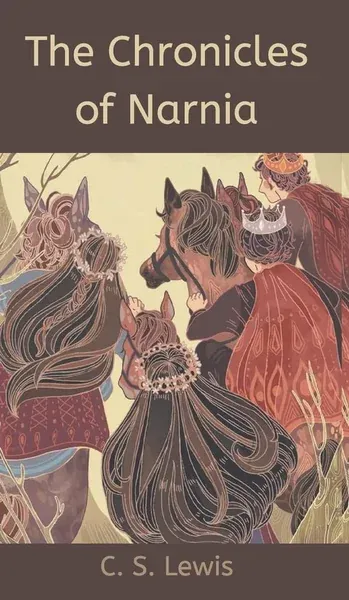
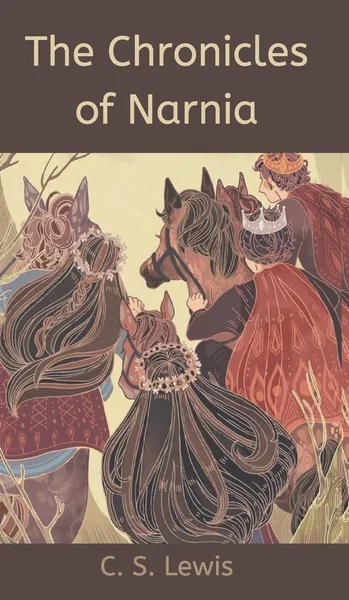
The Chronicles of Narnia by C.S. Lewis front cover

Our review

The Chronicles of Narnia

The Chronicles of Narnia Review: Wonder, Faith and Sermon (C.S. Lewis)

by C.S. Lewis

C.S. Lewis's seven Narnia novels send children through a wardrobe into a land of talking animals ruled, in turn, by a White Witch and the lion Aslan. Bloggers prize the sincerity and comfort; one finds the sermons and dated attitudes harder to ignore.

Our age band: Ages 8–12stereotyped portrayal of the Calormenes in The Horse and His Boy · gender stereotyping

LuvemBooks Verdict

Best for

Parents introducing a child to fantasy with something gentler and shorter than Tolkien or Rowling, and adults curious whether it still holds up.

Worth it if

Worth reading if you want a sincere, short-chaptered story where real danger sits alongside comfort and hope, and you can take the Christian symbolism as part of the narrative rather than a distraction.

Skip if

Skip it if you dislike allegory or doctrine that sometimes outruns the story, or if you want Middle-earth-style invented languages and deep backstory; parents reading aloud should expect to pause over the Calormene portrayal in The Horse and His Boy and some gender stereotyping.

Reception leans warmly positive but splits on the faith content. The Guardian's archive notes early reviews were positive but not gushing, and that Philip Pullman later attacked the series while defenders pushed back. Book bloggers at Greenish Bookshelf, Rite of Fancy and Books of Brilliance recommend it for sincerity and imagination, while We Need To Talk About Books has reservations about the series.

Sources: The Guardian, We Need To Talk About Books, Greenish Bookshelf, Books of Brilliance
4.8from 3,878 Amazon ratings, as of Nov 2026— reader ratings, not a LuvemBooks score

Ask LuvemBooks

Was this helpful?

Seven portal-fantasy novels in which children from our world are called into Narnia, where the lion Aslan guards the land against evil. Reviewers value the sincerity and the balance of danger and comfort, so it suits families starting children on fantasy and adults revisiting a favourite, with the caveat that the Christian teaching and some dated attitudes can outrun the story in The Chronicles of Narnia.
Is it worth reading?
Reviewers split on how well the earnestness lands. A Rite of Fancy argues the books understand the emotional landscape of childhood better than most modern fantasy, calling Aslan the emotional center, while imlovingbooks.com finds the sermons and the moments when Lewis grips the lesson harder than the story can bear hard to ignore on an adult reread. Even so, the imlovingbooks.com blogger calls it a comfort read of a very high order, so it is worth it if you can take the allegory as part of the story.
Similar books
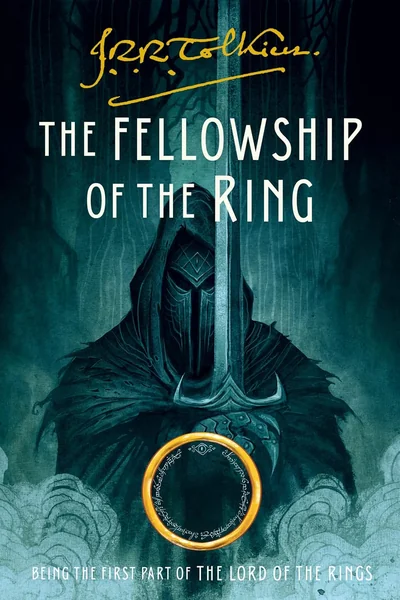
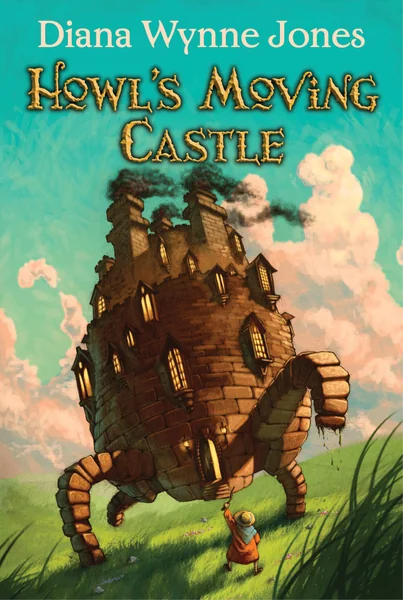
Of the related titles, The Screwtape Letters is Lewis's own and shows his Christian thinking in a very different form, while The Fellowship of the Ring offers the complexity that Narnia lacks. Howl's Moving Castle is a playful, character-led fantasy for readers who want something lighter on doctrine. The imlovingbooks.com blogger also points Narnia readers towards A Wizard of Earthsea and Philip Pullman's His Dark Materials, written pointedly as an anti-Narnia.
Who should read this?
It suits anyone interested in the roots of fantasy worlds. imlovingbooks.com describes the prose as plain, warm and occasionally sentimental. It points away from readers who reject Lewis's allegorical approach and from anyone wanting Middle-earth-style depth.
What age is it for?
Best for ages 7 and up, the reading age given on the Amazon listing, taken from customers. The books are short-chaptered and suit reading aloud to younger children. Parents should expect a few moments that may require discussion.
Does reading order matter?
Opinion is divided between two numbering schemes. Greenish Bookshelf and imlovingbooks.com both recommend publication order, starting with The Lion, the Witch and the Wardrobe.
Can I enjoy it without the Christian allegory?
The Greenish Bookshelf blogger notes it can be read either as a simple adventure or as Christian allegory. Readers who relish the faith, courage and sacrifice, as Greenish Bookshelf does, get more from it. Those who reject allegorical approaches are advised to skip it or read warily.
Summarize this book

Summarize this book

The Chronicles of Narnia is a run of portal fantasies set in a world of magic, mythical beasts and talking animals, with the lion Aslan appearing in every book. In all but The Horse and His Boy the heroes are real-world children who are magically transported to Narnia and sometimes called on to protect it from evil.

Follow up

Which book should I start with?
Does it get dark?

Synthesized from verified book data & published reviews · How we review

Ask LuvemBooks

What would you like to know about The Chronicles of Narnia?

Answers come from our editorial notes on this book. If we haven't covered something, we'll say so.

Readers often ask

Our Review

We review the evidence: published critics, reader verdicts and BookTube reviews, gathered and weighed with AI assistance and edited by LuvemBooks, rather than one reader's first-hand take.
The strongest case for C.S. Lewis's seven-book series is that it still works as a doorway into fantasy, with a sincerity and wonder that, as the imlovingbooks.com blogger sees it, outlast its flaws. The caveats are real: heavy Christian symbolism and some dated attitudes that a parent reading aloud may want to pause over.
The Chronicles of Narnia by C.S. Lewis front cover

What is The Chronicles of Narnia about?

The Chronicles of Narnia is a series of seven portal fantasy novels, illustrated by Pauline Baynes and first published between October 1950 and September 1956, according to Wikipedia. They are set in Narnia, a world of magic, mythical beasts and talking animals.
Except in The Horse and His Boy, the protagonists are children from the real world who are magically transported to Narnia. There the lion Aslan, who appears in all seven books, sometimes calls on them to protect the land from evil.
The edition reviewed here is a single-volume hardcover from Grapevine India, listed at 848 pages and published in November 2022. The Amazon listing gives a reading age of 7+, taken from customers.

Why has The Chronicles of Narnia lasted?

Wikipedia notes that the series has shaped later fantasy, with writers such as Philip Pullman, Katherine Paterson, Lev Grossman and J.K. Rowling drawing inspiration from its worlds and structures. It also records that The Lion, the Witch and the Wardrobe ranked ninth in the BBC's The Big Read poll in 2003 and appears on two Time magazine lists.
Lewis was awarded the 1956 Carnegie Medal for The Last Battle. Wikipedia also records that the original Baynes illustrations are still used in editions published today.
The imlovingbooks.com blogger sees the lineage differently: it is the doorway most readers walked through first, and so much modern portal fantasy traces back to one snowy wood.

What do book bloggers love about The Chronicles of Narnia?

The blogger behind A Rite of Fancy argues that the books understand the emotional landscape of childhood better than most modern fantasy. The A Rite of Fancy blogger credits Lewis with a balance of comfort and heartbreak, saying evil is never treated as harmless while hope stays stronger than despair, and calls Aslan the series' emotional center.
The blogger behind Greenish Bookshelf treats the series as a childhood favourite. She admires its focus on faith, courage and sacrifice, and was surprised by its darker moments, naming Rilian's captivity and the dwarves' betrayals in the final book.
The imlovingbooks.com blogger describes the prose as plain, warm and occasionally sentimental, with each book a couple of evenings' reading. The imlovingbooks.com blogger calls the whole a comfort read of a very high order.
All three are personal blogs, so they speak for individual readers rather than a critical consensus.

Where does The Chronicles of Narnia stumble?

The imlovingbooks.com blogger is the most pointed. Rereading as an adult, the wonder remains but so do the sermons, exclusions, and moments when Lewis grips the lesson harder than the story can bear.
That blogger calls the portrayal of the Calormenes in The Horse and His Boy an Orientalist caricature, and notes that the narrator sometimes editorializes about what boys and girls are naturally like. None of this is fatal, the blogger says, but a parent reading aloud may want to pause over a few passages.
Wikipedia's summary adds that criticism has focused on perceived inconsistencies, gender stereotyping and racial representation, while defenders argue that the female characters are often portrayed heroically.
The imlovingbooks.com blogger also feels the seams as an adult, naming the sudden Father Christmas and rescues by the lion.

Is The Chronicles of Narnia worth reading?

Weighing these reviews, the tension they keep circling is sincerity against sermon. Greenish Bookshelf and A Rite of Fancy value the faith and moral seriousness, while imlovingbooks.com finds that same earnestness sometimes outruns the story.
That points the series towards parents introducing a child to fantasy, since imlovingbooks.com calls it gentler and shorter than Tolkien or Rowling. It also suits adults curious whether a childhood favourite holds up, and anyone interested in the roots of portal fantasy.
It points away from readers who dislike allegory, a group critics say should skip it or read warily, and from anyone who wants the invented languages and deep backstory of Middle-earth. The imlovingbooks.com blogger recommends A Wizard of Earthsea and Philip Pullman's His Dark Materials, written pointedly as an anti-Narnia, as next steps.
On reading order, the Greenish Bookshelf and imlovingbooks.com bloggers both urge publication order, starting with The Lion, the Witch and the Wardrobe. Greenish Bookshelf adds that only the film of that first book is worth watching.
Wikipedia notes that recent editions number the books chronologically, so check which sequence this volume follows.

Sources & Further Reading

The key facts and claims in this review are grounded in the retrieved, verified sources listed below.

  1. Cited in this review
  2. 1
  3. 2

    en.wikipedia.org

  4. 3
  5. Further reading
  6. 4
  7. 5
  8. 6
  9. 7
  10. 8

    The Guardian

  11. 9

    We Need To Talk About Books

  12. 10

    Books of Brilliance

Age & Reading Level

Our age band

Ages 8–12

Reading level

Middle grade

Amazon listing

Ages 7+ (set by customers)

Our age band groups books for browsing; it isn't an age a review gave.

Content to know about

stereotyped portrayal of the Calormenes in The Horse and His Boy
gender stereotyping
a character's captivity
betrayal
wartime evacuation

Best for: Ages 7+ — short chapters and plain prose suit reading aloud; parents may pause over dated attitudes

Skip if you dislike allegory or doctrine that sometimes outruns the story, or want Middle-earth-style invented languages and deep backstory

From our readers

Reader reviews

Be one of the first readers to answer.

Read it? Was it right for you?