
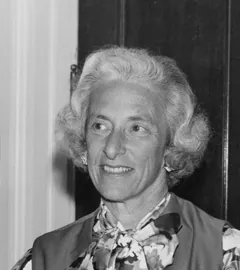
Barbara W. Tuchman
1
Books ReviewedAsk LuvemBooks about Barbara W. Tuchman
- Where should I start?
- The Guns of August is the natural starting point for any reader new to Tuchman. It is both her most celebrated work and an ideal demonstration of her method: she reconstructs the fateful decisions of July and August 1914 with enough narrative momentum to hold general readers while satisfying those with a serious interest in military history. Its Pulitzer Prize pedigree and a reader rating of 4.6/5 across more than 225 Amazon ratings confirm it as an enduring entry point.
- What's their writing style?
- Tuchman wrote narrative history that reads with the momentum of well-constructed journalism while remaining grounded in primary sources and documented evidence. She structured her books around human decisions and their consequences, which gives her work a strong cause-and-effect drive without sacrificing factual precision. Her prose is clear and authoritative — she avoids academic jargon, but also avoids the false intimacy of popular history that speculates beyond the record.
- Books we've reviewed
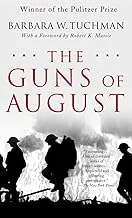
- We have reviewed one book by Barbara W. Tuchman on LuvemBooks: The Guns of August, a Pulitzer Prize-winning account of the outbreak of World War I that remains the definitive popular history of the conflict's opening month, with a reader rating of 4.6/5 from 225 Amazon ratings.
- What genre do they write?
- Barbara W. Tuchman wrote narrative nonfiction history, primarily focused on pivotal moments of political and military crisis in the nineteenth and twentieth centuries. Her work sits at the intersection of serious historical scholarship and accessible popular writing — it is evidence-based history told with the structural clarity of good long-form journalism. Readers drawn to military history, diplomatic history, or the history of World War I in particular will find her work immediately engaging.
- What should I read after The Guns of August?
- Readers who enjoy The Guns of August most commonly move on to Tuchman's The Proud Tower, which examines the political and cultural world of the decades immediately before 1914 and works almost as a prequel. A Distant Mirror, her study of the calamitous fourteenth century, is a natural next step for readers who respond to her method rather than specifically to her WWI subject matter. For a different perspective on the same war, John Keegan's The First World War offers a useful complement.
Who is Barbara W. Tuchman?
Follow up
Synthesized from verified book data & published reviews · How we review
Press Enter to ask. Answers come from our editorial Q&A — start typing to see related questions.
Authors Like Barbara W. Tuchman
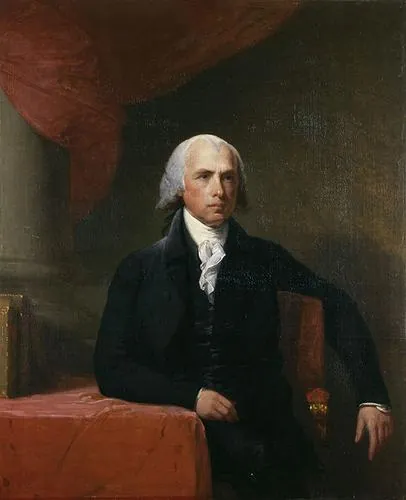
James Madison
James Madison, the pen name of Charles Aronstein (August 27, 1870 – March 27, 1943), was an American theatre manager, writer, and publisher, best known for writing and publishing the periodical *Madison's Budget*.
1 book reviewed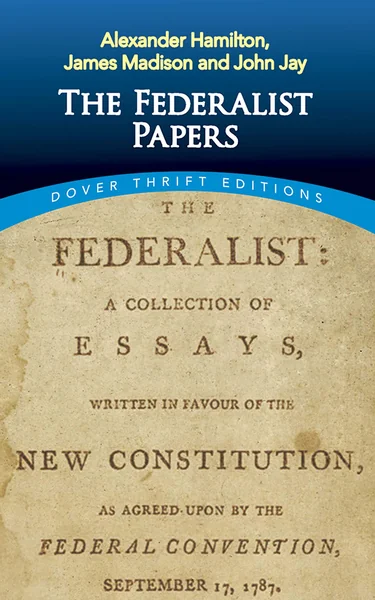
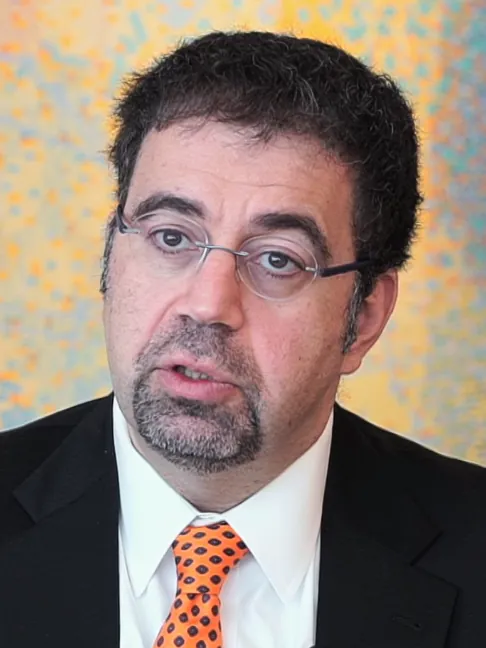
Daron Acemoglu
Kamer Daron Acemoğlu is a Turkish-American economist of Armenian descent who has taught at the Massachusetts Institute of Technology since 1993, where he is currently the Elizabeth and James Killian Professor of Economics, and was named an Institute Professor at MIT in 2019.
1 book reviewed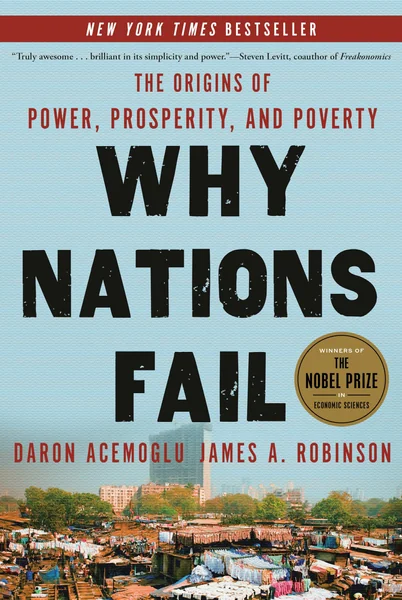

James A. Robinson
James Alan Robinson is a British-American economist and political scientist.
1 book reviewed
Thomas Piketty
Thomas Piketty is a French economist who is a professor of economics at the School for Advanced Studies in the Social Sciences, associate chair at the Paris School of Economics (PSE) and Centennial Professor of Economics in the International Inequalities Institute at the London School of Economics (LSE)..
1 book reviewed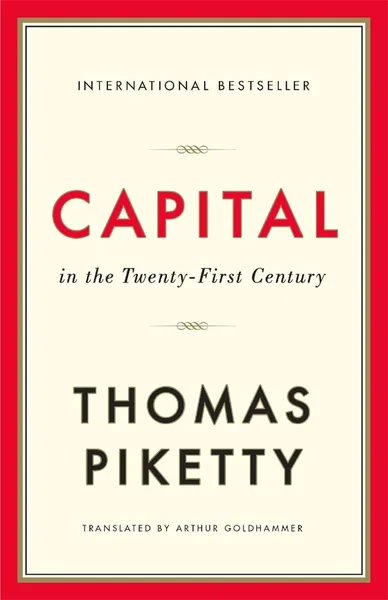
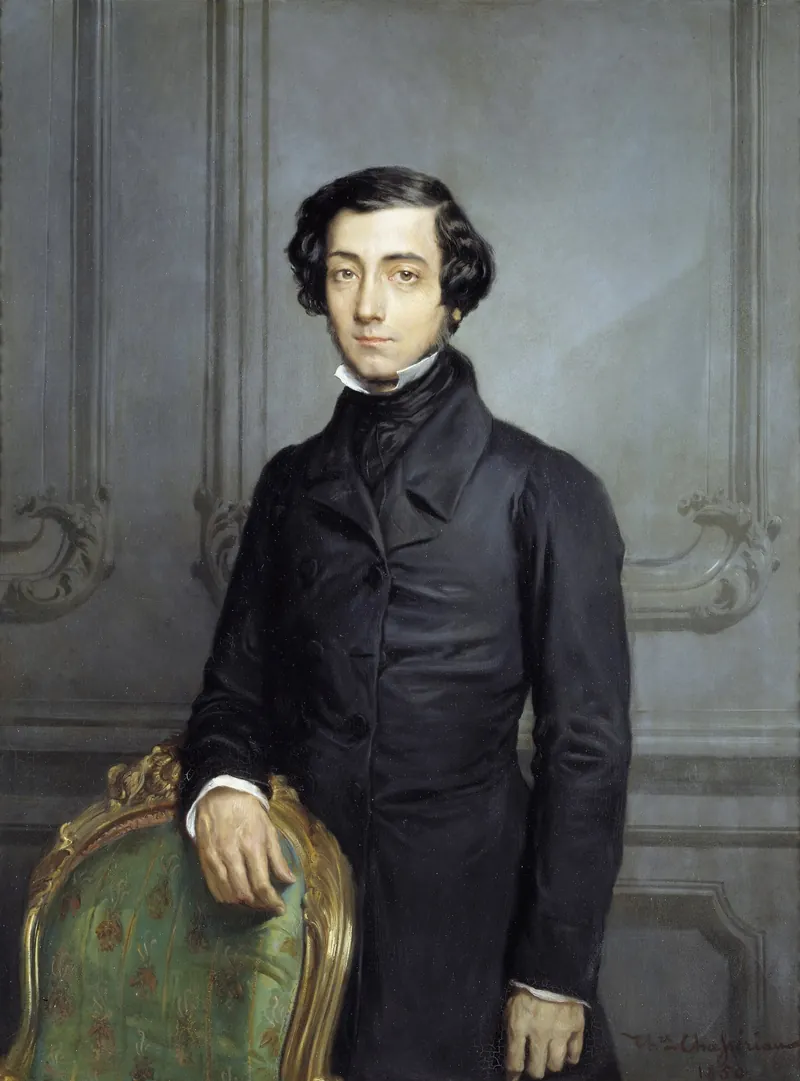
Alexis de Tocqueville
French aristocrat and political thinker Alexis Charles Henri de Tocqueville transformed how the world understood democracy through his keen observations of 19th-century America.
1 book reviewed

Ron Chernow
Ronald Chernow is an American writer, journalist, and biographer.
1 book reviewed