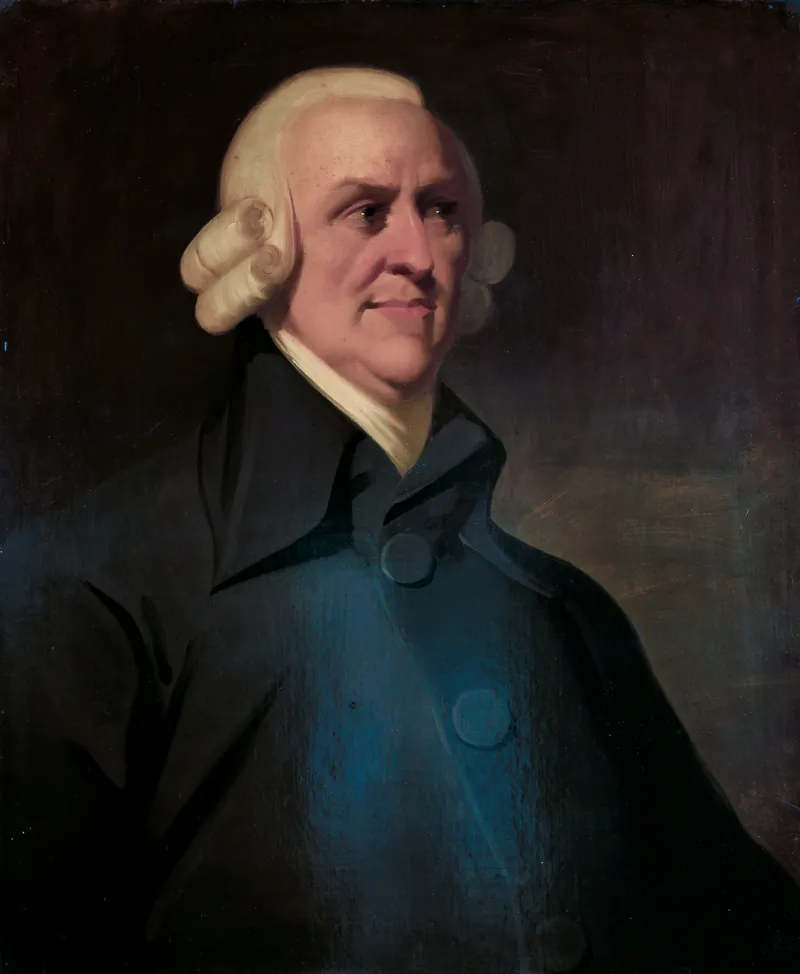
Adam Smith
1
Books ReviewedAsk LuvemBooks about Adam Smith
- Where should I start?
- The Wealth of Nations is the natural starting point, not only because it is the work LuvemBooks has reviewed, but because it is the text that established Smith's reputation and introduced his most influential ideas. Books I and II, which cover the division of labour and the origins of stock, are the most accessible sections and give a clear sense of Smith's method: building large economic arguments from everyday examples like pin manufacturing. Readers who find dense eighteenth-century prose challenging may benefit from a modern annotated edition before tackling the full text.
- What's their writing style?
- Smith writes as a systematic thinker who grounds abstract economic principles in concrete, observable examples — the famous pin factory opening of The Wealth of Nations is typical of his method: a mundane industrial process becomes the vehicle for a foundational argument about productivity. His prose is formal and deliberate, characteristic of eighteenth-century philosophical writing, with arguments built incrementally over long chapters. He is also a polemicist at times, particularly when criticising mercantilism and the political influence of merchants, and his irony can be sharp even when his tone remains measured.
- Books we've reviewed
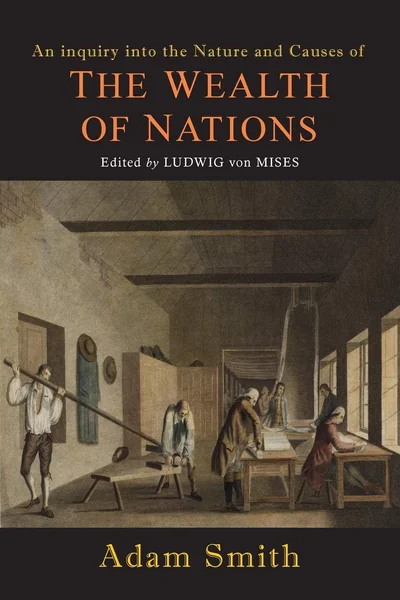
- LuvemBooks has reviewed one book by Adam Smith: The Wealth of Nations, his landmark 1776 treatise on how national economies grow through specialisation, free exchange, and the mechanisms of price and competition.
- What genre do they write?
- Adam Smith wrote in the tradition of political economy and moral philosophy — eighteenth-century categories that today would map most closely onto Business and Economics, Political Theory, and History of Ideas. The Wealth of Nations, the title LuvemBooks has reviewed, sits firmly in the Business and Economics section, but it also draws on history, ethics, and political argument in ways that make it genuinely cross-disciplinary. Readers drawn to foundational non-fiction, economic history, or the intellectual origins of capitalism will find it relevant.
- What should I read after The Wealth of Nations?
- After The Wealth of Nations, the most natural next step is Smith's own earlier work, The Theory of Moral Sentiments, which gives his account of ethics and human sympathy — and puts the self-interest argument of the later book in fuller philosophical context. Beyond Smith himself, David Ricardo's Principles of Political Economy develops the classical tradition further, while Karl Marx's Capital can be read as a critical engagement directly with Smith's framework. For a modern reassessment of Smith's ideas, Russ Roberts's How Adam Smith Can Change Your Life offers an accessible entry into The Theory of Moral Sentiments.
Who is Adam Smith?
Follow up
Synthesized from verified book data & published reviews · How we review
Press Enter to ask. Answers come from our editorial Q&A — start typing to see related questions.
Authors Like Adam Smith
Sun Tzu
Sun Tzu was a Chinese military general, strategist, philosopher, and writer who lived during the Eastern Zhou period.
2 books reviewed

Daron Acemoglu
Kamer Daron Acemoğlu is a Turkish-American economist of Armenian descent who has taught at the Massachusetts Institute of Technology since 1993, where he is currently the Elizabeth and James Killian Professor of Economics, and was named an Institute Professor at MIT in 2019.
1 book reviewed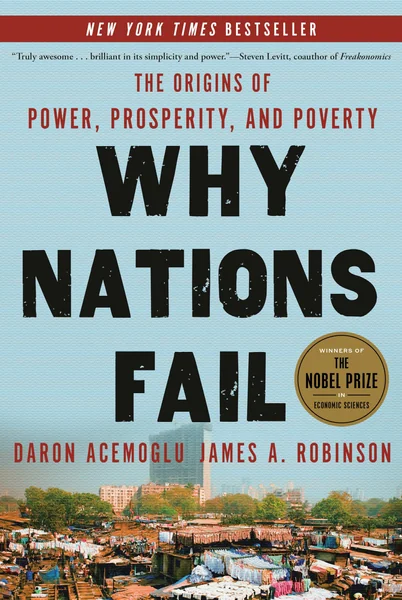

James A. Robinson
James Alan Robinson is a British-American economist and political scientist.
1 book reviewed
Thomas Piketty
Thomas Piketty is a French economist who is a professor of economics at the School for Advanced Studies in the Social Sciences, associate chair at the Paris School of Economics (PSE) and Centennial Professor of Economics in the International Inequalities Institute at the London School of Economics (LSE)..
1 book reviewed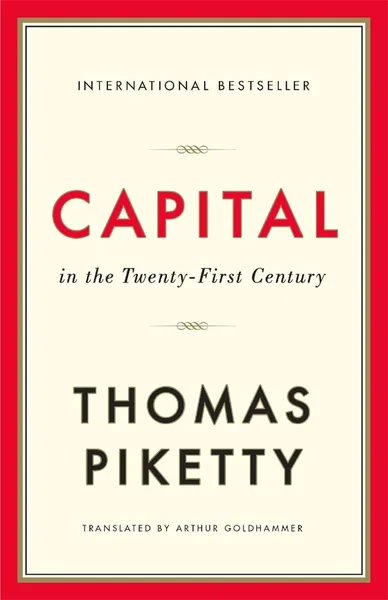
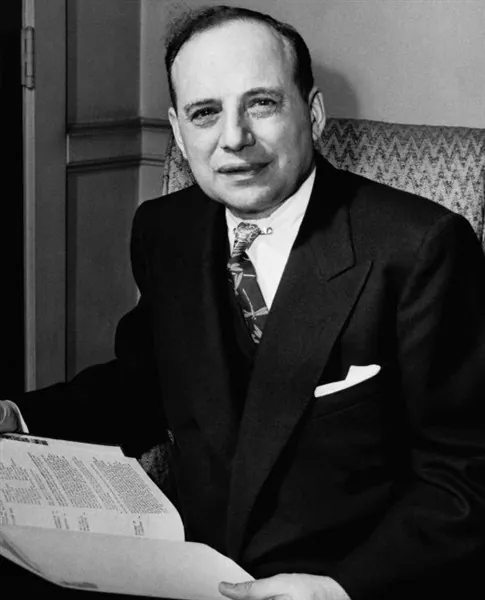
Benjamin Graham
Benjamin Graham was an English-American financial analyst, economist, accountant, investor and professor.
1 book reviewed
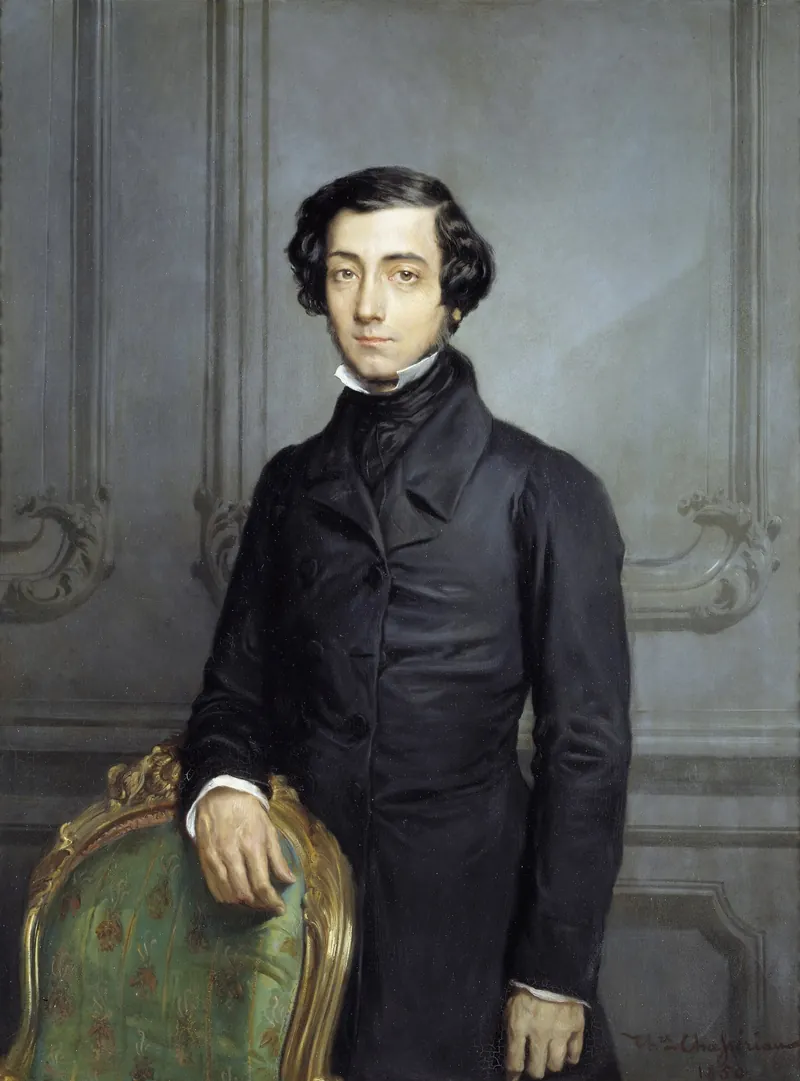
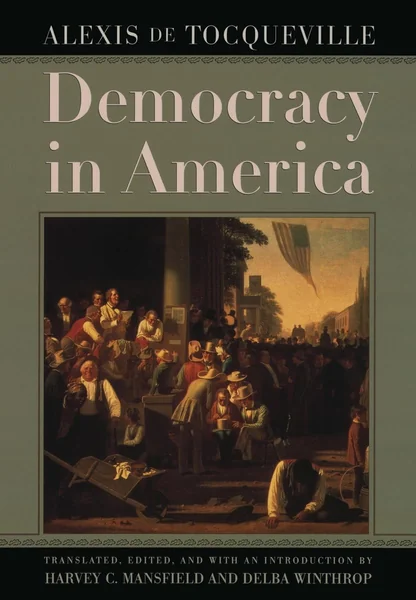
Alexis de Tocqueville
French aristocrat and political thinker Alexis Charles Henri de Tocqueville transformed how the world understood democracy through his keen observations of 19th-century America.
1 book reviewed