
BOOKS
Published

Read Time

9 min read

Reader rating

4.6

· 2,903 Amazon ratings
reader ratings, not a LuvemBooks score
Curated & edited by

LuvemBooks Editorial

How we create our reviews →
Share This Review

The First to Die at the End by Adam Silvera Review: A Bittersweet Prequel That Earns Its Heartbreak

A #1 New York Times bestselling prequel to They Both Die at the End, The First to Die at the End follows two strangers who find each other on the night Death-Cast first goes live — one receiving the fateful call, one not — and choose to spend what may be their last hours together. Adam Silvera's signature bittersweet storytelling and a tightly wound single-day structure make this a compelling, emotionally charged work of speculative YA fiction for readers 14 and up.

LuvemBooks Verdict

Best for

Readers aged 14 and up who loved They Both Die at the End and want more of Silvera's emotionally precise, bittersweet YA fiction — particularly those drawn to queer romance, speculative world-building, and stories that wrestle with mortality and the urgency of living fully.

Worth it if

Worth reading if you respond to high-concept speculative premises that double as intimate character studies, and if you find catharsis — rather than exhaustion — in emotionally heavy, compressed narratives about love and loss.

Skip if

Skip it if you find sustained emotional weight draining rather than cathartic, or if you prefer YA fiction with structural variety and narrative breathing room across a longer arc — the single-day format and the built-in inevitability of loss leave little room for relief.

Reviewers at bookishelf.com praised Silvera's pacing, noting that "even in a novel set within one day, every moment feels earned, measured, and memorable," and highlighted dialogue that "feels lived-in, not performed." Hisandhersbookclub.com described it as "a tender, tense, and quietly devastating story that earns every emotional beat," adding that "the romance is genuine, not a trendy checkbox." Funfandomblog.wordpress.com and utopia-state-of-mind.com both independently flagged Silvera's signature heartbreak as the novel's defining quality, with the latter calling it "incredibly emotional" and crediting him with "a signature type of heartbreak."

Sources: bookishelf.com, hisandhersbookclub.com, funfandomblog.wordpress.com, utopia-state-of-mind.com, audible.com
4.6from 2,903 Amazon ratings— reader ratings, not a LuvemBooks score

Age & Reading Level

Recommended age

Ages 12–18

Reading level

Young adult

Content to know about

sustained themes of mortality and grief
romantic relationship between two boys

Best for: Ages 14+ — the novel's emotional architecture of grief, mortality, and romantic connection under existential pressure suits readers with the maturity for sustained, bittersweet YA storytelling.

Skip if you need narrative relief or a hopeful resolution — the Death-Cast premise makes loss inevitable and the emotional weight is relentless by design.

In This Review
  • What Works & What Doesn't
  • What the Book Actually Is and Does
  • Premise, Place, and Stakes
  • Craft and Storytelling Strengths
  • Reception and Cultural Standing
  • Who This Book Is For — and Where It May Test Patience

What Works & What Doesn't

What Works
  • #1 New York Times bestseller with broad readership appeal built on a beloved predecessor
  • Tightly constructed single-day timeline that, per published reviewers, gives the novel sustained pacing and emotional momentum
  • Expands the Death-Cast mythology through a fresh pair of protagonists without retreading the original's story
  • Silvera's character work — praised by critics for authenticity and emotional precision — is central to the novel's impact
  • Accessible as both a standalone prequel and a series entry for existing fans
What Doesn't
  • The inevitability of loss baked into the Death-Cast premise offers little narrative relief, which may fatigue readers sensitive to sustained emotional weight
  • The compressed single-day structure, while praised for pacing, leaves limited room for the kind of broader narrative variation some readers prefer in longer YA fiction
This review is based on the book's contents as described by the publisher, author-verified sources, and published critical reception — not a hands-on read.
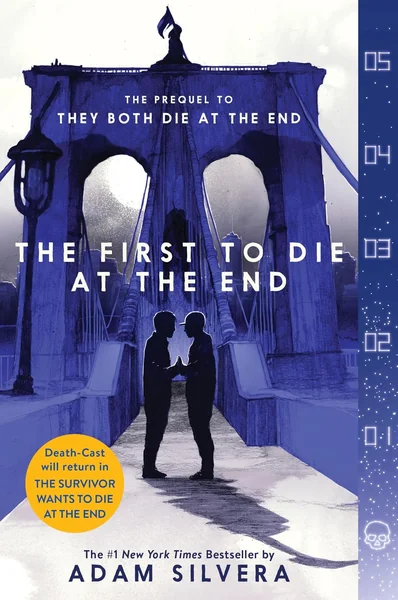
The First to Die at the End: An Emotional Journey about Love, Fate, and Living Each Day to the Fullest (They Both Die at the End Series, 2) by Adam Silvera front cover

What the Book Actually Is and Does

The First to Die at the End is a work of speculative young adult fiction and the second entry — functioning as a prequel — in Adam Silvera's They Both Die at the End series. The premise pivots on a single, high-concept night: Death-Cast, a mysterious service that calls people on the last day of their lives, is going live for the very first time. The central question driving the novel is whether Death-Cast can actually predict death or is an elaborate hoax. When the first round of End Day calls goes out, two strangers are brought together — one has received a call, the other has not. Neither boy knows exactly how the day will end, but they choose to spend it together, even knowing the goodbye will be heartbreaking. The novel is set within this compressed, single-day timeline, a structural choice that concentrates its themes of love, fate, and the urgency of living fully.
celebrates the lasting impact that people have on each other and proves that life is always worth living to the fullest.

Premise, Place, and Stakes

The genius of Silvera's world-building here is the specificity of its speculative conceit. Death-Cast isn't a vague supernatural force — it is a functional, societal system, and The First to Die at the End dramatizes the moment it becomes real for the world. That institutional debut gives the novel its tension: the calls are new, unproven, and terrifying precisely because no one yet knows if they can be trusted. The two protagonists must navigate their connection under the shadow of that uncertainty, which gives the romance and its emotional stakes a dimension that goes beyond the personal. As the publisher's synopsis frames it, the story "celebrates the lasting impact that people have on each other and proves that life is always worth living to the fullest." The prequel structure allows Silvera to expand the mythology of the original without retreading familiar ground, introducing new characters whose single shared day carries the weight of a lifetime.

Craft and Storytelling Strengths

Silvera's reputation for emotionally precise, bittersweet storytelling is well-established, and this novel operates squarely within that mode. BuzzFeed, in commentary on the broader series, described his work as writing that will "wreck you in the very best possible way," crediting "gorgeous writing and wonderful storytelling." The single-day structure — the entire novel unfolds within one momentous night and day — is both a narrative risk and a craft achievement. A reviewer at hisandhersbookclub.com noted that "even in a novel set within one day, every moment feels earned, measured, and memorable," and described the pacing as one of the novel's clearest strengths. The same source observed that dialogue "feels lived-in, not performed," and that internal monologues are "reflective but never indulgent" — praise that speaks to Silvera's control of voice under sustained emotional pressure. The relationship between the two boys, according to that reviewer, develops quickly because "time forces honesty," yet never feels unearned.

Reception and Cultural Standing

The First to Die at the End debuted as a #1 New York Times bestseller, a designation that reflects both the cultural footprint of the original novel and the loyalty of Silvera's readership. The series it belongs to — anchored by They Both Die at the End, described in published sources as a "bestselling phenomenon" — has established Silvera as one of the defining voices in contemporary YA speculative fiction. Towniebookscb.indielite.org, drawing on series-level critical commentary, noted that Silvera "poignantly captures the raw emotion of facing your own mortality" while creating "relatable and authentic characters you want to follow on their journey." The consensus across published responses positions this as a book that operates with genuine emotional ambition, not merely as a franchise extension.

Who This Book Is For — and Where It May Test Patience

The novel is recommended for readers 14 and up, and its emotional architecture — grief, romantic connection under existential pressure, and the philosophy of making the most of limited time — will resonate most with readers already invested in that register of YA fiction. Readers drawn to Silvera's work by They Both Die at the End will find the prequel both accessible as a standalone and richer as part of the broader series. However, the compressed timeline and the built-in inevitability of loss that defines the Death-Cast premise mean the novel offers little in the way of narrative surprise or relief. Readers who find bittersweet endings emotionally exhausting rather than cathartic, or who prefer YA fiction with more structural variety across a longer arc, may find the single-day format, however skillfully executed, a constraint rather than a feature. The emotional payload is high and deliberately so — that is the book's design, not an oversight.

Sources & Further Reading

The key facts and claims in this review are grounded in the retrieved, verified sources listed below.

  1. Cited in this review
  2. 1
  3. 2
  4. Further reading
  5. 3
    Adam Silvera — author profileHigh-authority source

    Adam Silvera, Wikipedia

  6. 4
  7. 5
  8. 6
  9. 7
  10. 8